




Furnace pilot light keeps going out in Maryland

Step 1 of 3: Equipment

A pilot light that keeps going out is usually a sign of a weak or dirty thermocouple, the small sensor that tells the gas valve a flame is lit. When it's coated with soot or just worn out, it reads no flame even when there is one, and the valve shuts off the gas as a safety measure. A draft from a nearby vent or a loose door can also blow the flame out directly. Sometimes the problem is the pilot tube itself, clogged with dust after sitting unused most of the year. Furnaces that run only through Maryland's colder months spend a lot of time shut down, and that idle stretch is when dust and corrosion build up on parts that need to stay clean to work right. If you're relighting it more than once, the furnace needs a look before the gas valve locks out for good or the flame fails to catch on a cold night.

  1. Gas reaches the pilot and the burner ignites a small flame

  2. The thermocouple tip sits in that flame to read heat

  3. Heat makes the thermocouple send a tiny signal to the gas valve

  4. The valve reads that signal as proof a flame is burning

A smiling man in a gray long-sleeved shirt stands in a kitchen looking to the side, with open shelves of dishes, a white mug on the counter, a potted plant, and a view through a doorway into a living room.
A smiling bearded man in a green sweater sits at a white marble kitchen island with a mug, potted plant and bowl of fruit, in a bright white interior with open shelving and an arched doorway.
A smiling man with dark curly hair and a beard, wearing a dark green knit sweater, stands at a white marble kitchen counter with a dark blue mug, with open shelving, pendant lights and a houseplant behind him.
A smiling man in a green ribbed sweater stands behind a wooden table holding a ceramic mug of coffee in a kitchen with white subway tile, shelves of potted plants, and a bowl of fruit.

A pilot that won't hold means something has to fill the gap while it's out, and in most Maryland homes that gap gets filled with electricity. If baseboard heat or a space heater is doing the furnace's job for a few days, that shows up on the bill, since power here isn't cheap. The other cost is your time. Walking down to the basement to relight a pilot, waiting to see if it holds, then doing it again a few hours later is the sort of thing that eats an evening without actually fixing anything. A thermocouple that's just dirty can sometimes be cleaned and put back to work. One that's worn out won't hold a flame no matter how many times you relight it, and it needs to be swapped for a new one. Either way, the furnace shutting itself down isn't a malfunction. It's the safety control doing exactly what it's built to do when it can't confirm a flame is burning. The part still needs attention, but the shutdown itself means that piece of the system is working.

What a Failing Pilot Costs You

  • A furnace that won't stay lit leaves a Maryland house relying on electric heat or space heaters until someone looks at the thermocouple.
  • Most homes here heat with electricity already, so a furnace stuck in lockout can mean running baseboard or resistance heat at a higher cost until it's fixed.
  • Relighting the pilot every few hours is the kind of small, repeated chore that points to a part wearing out rather than a one-time glitch.
  • If the thermocouple is dirty rather than failed, it can sometimes be cleaned, but a worn one needs replacing before the furnace will hold a flame.
  • Leaving it alone doesn't make the gas valve work any harder; it just means more trips to the basement to relight a pilot that won't hold.
  • A furnace that cycles out on its own safety lockout is doing what it's supposed to do, which is shut off gas flow it can't confirm is burning safely.
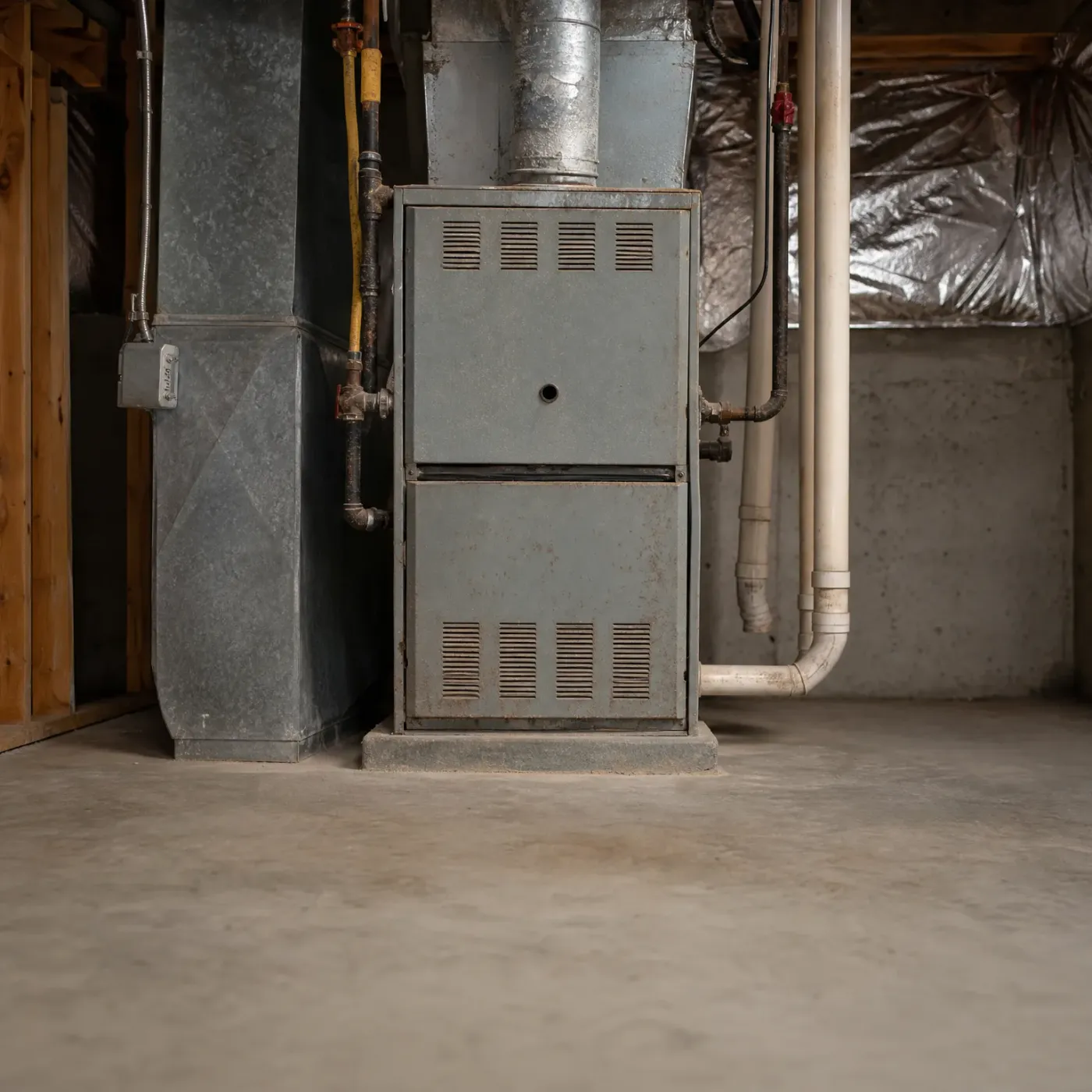
A gray metal furnace with louvered vent panels stands on a concrete basement floor beside galvanized ductwork, gas and plastic pipes, and foil-faced insulation along the ceiling and wall.
Before you get your furnace repair
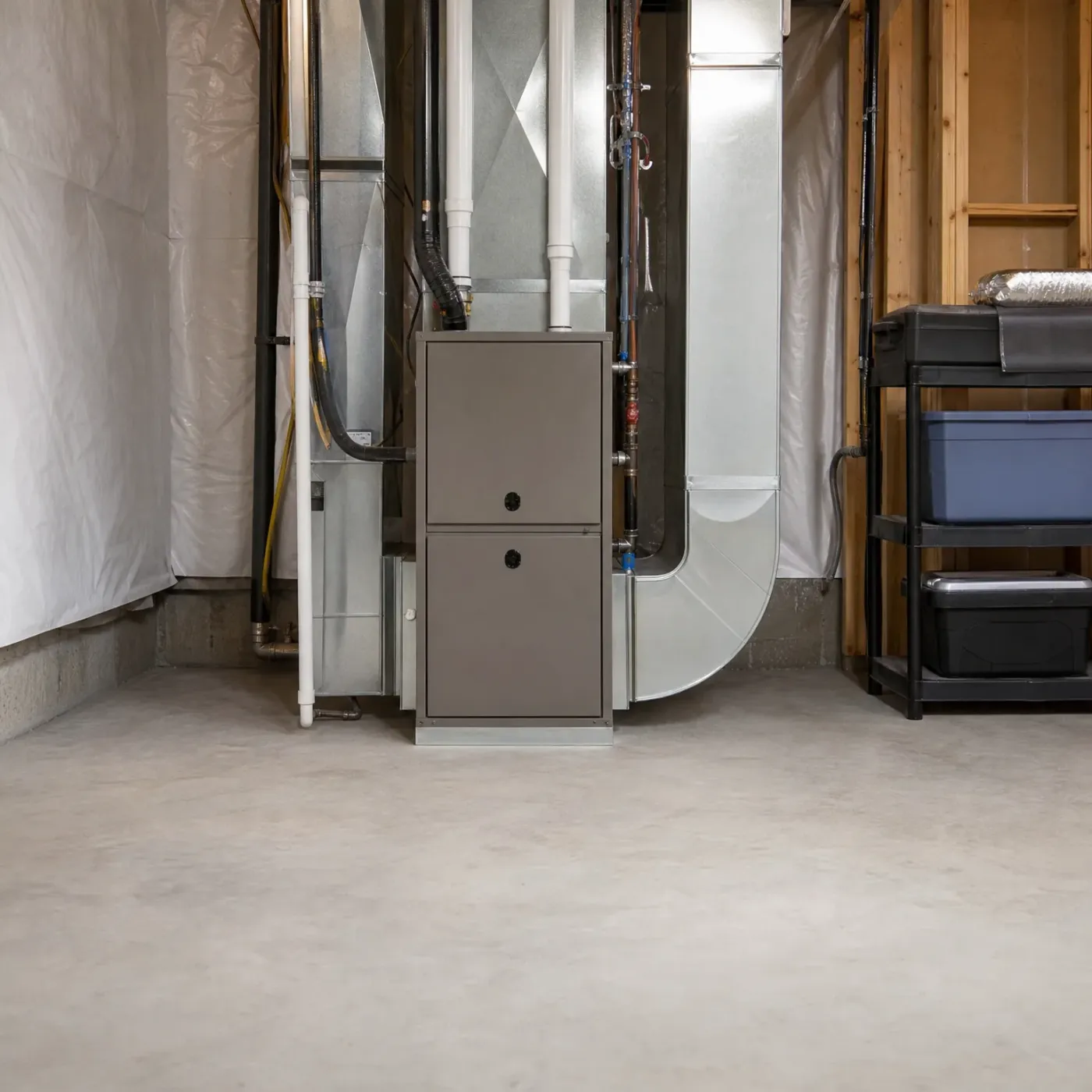
A basement utility area with a gray furnace, sheet-metal ductwork, pipes, plastic-covered walls, a concrete floor, and a black shelving unit holding storage bins.
After you get your furnace repair

Let someone else find the pro

A pilot that won't hold means you're watching the thermostat instead of trusting it, relighting a pilot that goes dark again by evening. In a Maryland winter that gets old fast, especially with power costs what they are here and a furnace stuck in lockout pushing you toward space heaters or baseboard units you didn't plan on running. The fix itself is a straightforward one for someone who does this work, but finding that someone is its own chore: searching for a contractor who handles gas furnaces, calling two or three to see who answers, explaining the same pilot light problem each time, then sitting with quotes trying to guess which one is fair. Sending this form hands that off. Someone who knows thermocouples and gas valves takes it from here, and your evening goes back to checking the thermostat only because you want to, not because you're worried what it'll say.

Why a draft puts it out

A pilot sits right at the base of the burner, open to the flue above it. If the flue draws too hard, or a gust comes down the chimney, or a cold return air draft hits the pilot assembly, the flame can bend away from the thermocouple tip long enough for it to cool. Once that tip cools below the point where it reads a flame, the gas valve shuts down the pilot too, even though nothing broke. A furnace closet door left open, or a window cracked nearby, is sometimes enough to cause this.
Why cleaning isn't always enough

Soot and dust on a thermocouple can be wiped off, but the sensor itself wears out from years of heating and cooling every time the furnace cycles. A thermocouple that's thinned out from age may read a flame for a minute, then drop below the signal the gas valve needs and cut the pilot anyway. Cleaning it buys a little time if dirt was part of the problem, but if the part itself is worn, the pilot will keep going out on the same schedule until it's replaced.

Winter nights average 27°F statewide

A 27°F night means your furnace is on for hours at a stretch, not cycling on and off. If the pilot's weak, that's more time for a draft or a dirty thermocouple to snuff it out, and more hours you're stuck on backup heat waiting for someone to fix it.

NOAA nClimDiv 1991-2020 county normals weighted by homes

Where this leaves you

  • A pilot that won't hold is almost always the thermocouple reading no flame when one is actually there.
  • A weak or dirty thermocouple sends a false signal to the gas valve, and the valve shuts the gas off.
  • Drafts from the flue or a cold air return can bend the flame away from the thermocouple tip and put it out.
  • Until it's fixed, a Maryland home is left running electric backup heat on a system most homes here already pay more for.
  • A thermocouple needs a hands-on check and often a replacement part, not a thermostat reset or a relight.
  • Cold nights mean longer burner cycles, which gives a weak thermocouple more time to fail.

A pilot that keeps going out almost always comes down to the thermocouple, not the thermostat and not the pilot itself. Soot, age or a draft can make that small sensor tell the gas valve no flame is burning, so the valve cuts the gas even while the pilot is lit in front of you. Relighting it gets you a few hours, maybe a day, before it happens again, because the part causing it hasn't changed. On a cold night, with the burner running long stretches instead of cycling, a weak thermocouple has more time to fail, not less. Until someone checks the thermocouple and replaces it if it's worn, a Maryland home is stuck choosing between a furnace that won't stay on and electric backup heat that costs more to run. That's the situation as the facts lay it out, and it only moves when a contractor gets eyes on the thermocouple itself.

Finding that contractor is usually the slow part. It means searching around, calling a few places to see who answers, explaining the same pilot light problem to each one, then sitting with quotes trying to tell them apart. Sending the form here skips that part. You're not left searching listings or working the phone to find someone who can look at a thermocouple this week. The finding-help work is what goes away. The furnace still needs a hands-on check, but you're not the one tracking down who'll give it one.

A dark wood cabinet with a paneled door and a ceramic pot of green foliage on top stands in a beige-walled room with white baseboard, a window at left, hardwood floor, and a patterned area rug.
A dark wood glass-front cabinet holding folded towels, woven baskets and a ceramic vase stands in a bathroom corner beside a window, with a potted fern and stacked towels on top and a freestanding tub partly visible at left.
A woven basket holding a green cushion and a cream fringed knit throw sits on a wood floor in a room corner beside a window and a dark wooden cabinet.
Corner of a room with a dark wood cabinet topped by a round vase, a linen curtain at a window, white baseboard, oak plank flooring with sunlight patches, and a woven jute rug in the foreground.
A dark wood sideboard against a pale wall holds a shallow stone bowl and a round ceramic vase with leafy branches, with sunlight from a curtained window falling across the wall, wood floor and woven rug.

One request and it's handed off

Describe your furnace job once, to one pro.

Hand it over

You only hire the pro if you want to.