Tell us about the job
Takes about a minute. No obligation.
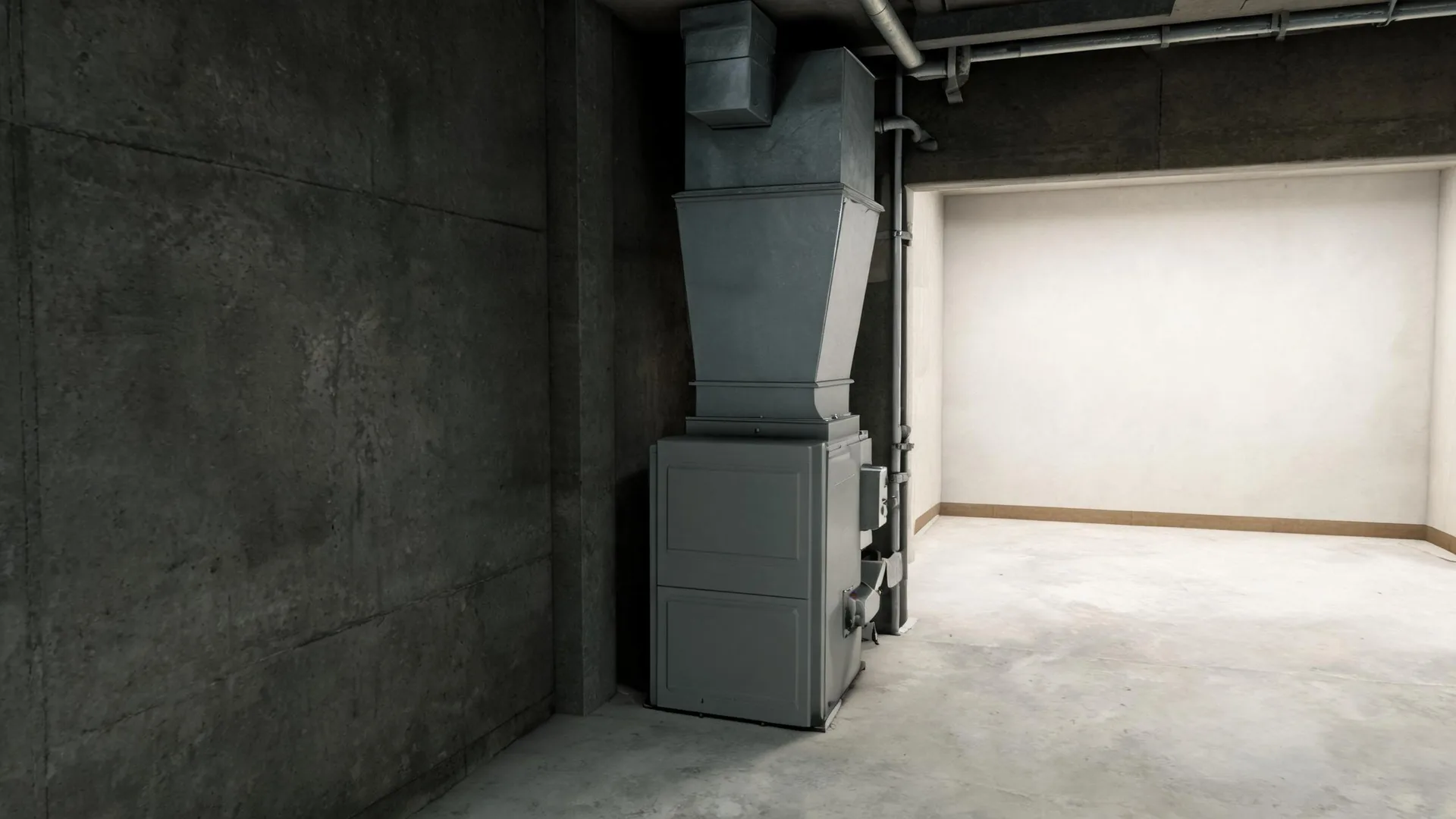
A furnace repair in Prince George's County starts at the parts that have done the most work. Homes in Prince George's County, MD run heat about seven months a year, from October through April. The burner fires and the heat exchanger flexes with every cycle across those months, and by the time a system shows a fault, both have logged the kind of repetitive stress that leaves cracks, soot deposits, or igniter wear a contractor can see and measure. Controls fail too, but the combustion components get checked first because that is where accumulated cycling shows up earliest.
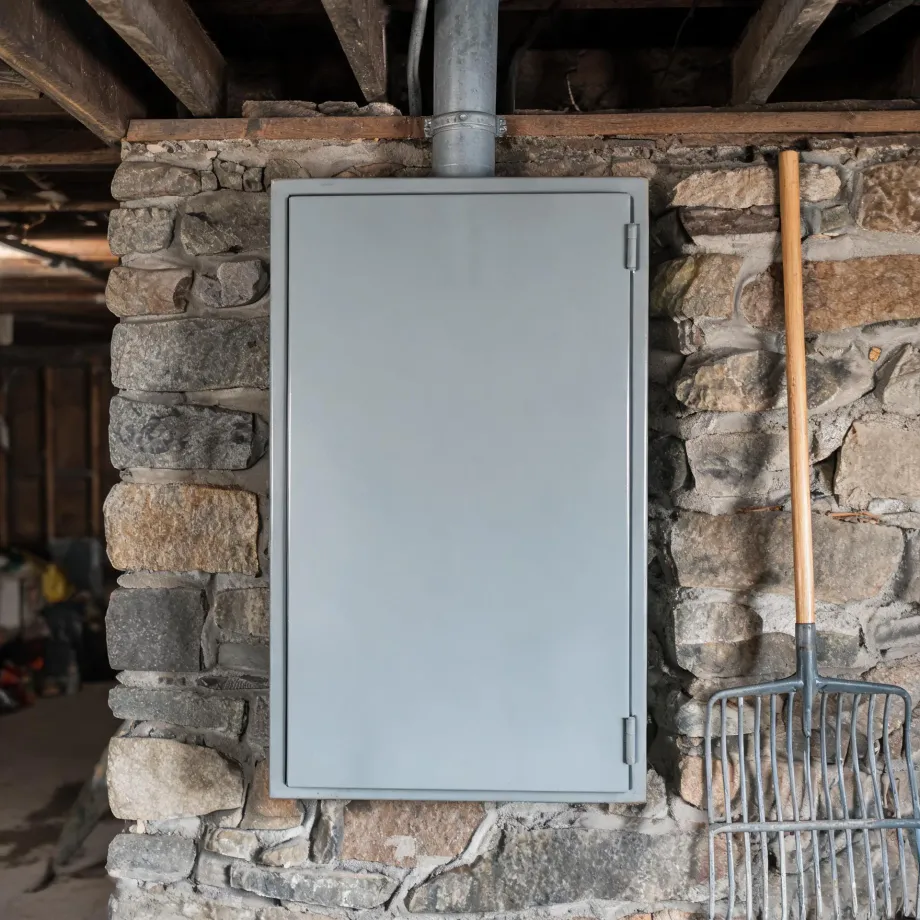
Ductwork laid decades before the current furnace was installed carries the history of every system that ran through it. Half the homes in Prince George's County, Maryland were built in 1977 or earlier (2020-2024 ACS 5-year). A contractor opening a furnace in stock that old is working through at least one layer of replacement already, which means the parts question is specific: not what fits the brand, but what the manufacturer still makes for a unit of that generation. If a heat exchanger or a control board has gone out of production, the repair scope shifts entirely, and the contractor has to say so before the work begins.
The Parts of a Furnace a Contractor Checks First
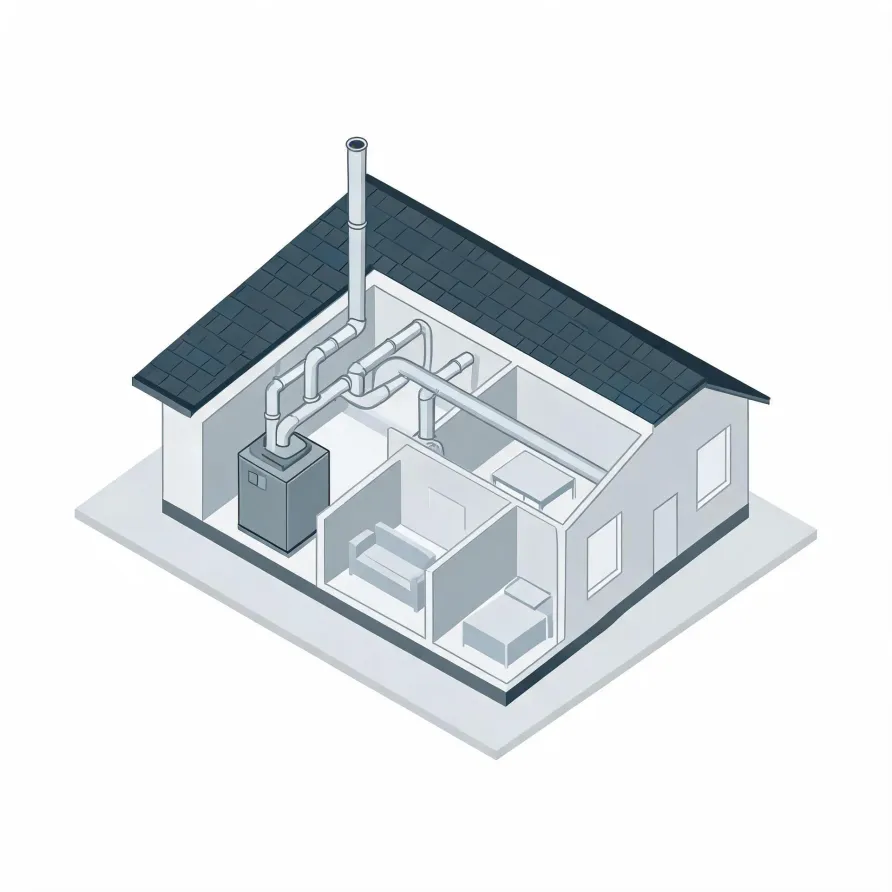
The furnace itself sits in a utility space, basement, or closet and is the piece doing the actual heating work. Inside it, the heat exchanger is the part a contractor looks at closely when there is a heating problem or a carbon monoxide concern. The burners, which fire beneath the heat exchanger, are another early stop.
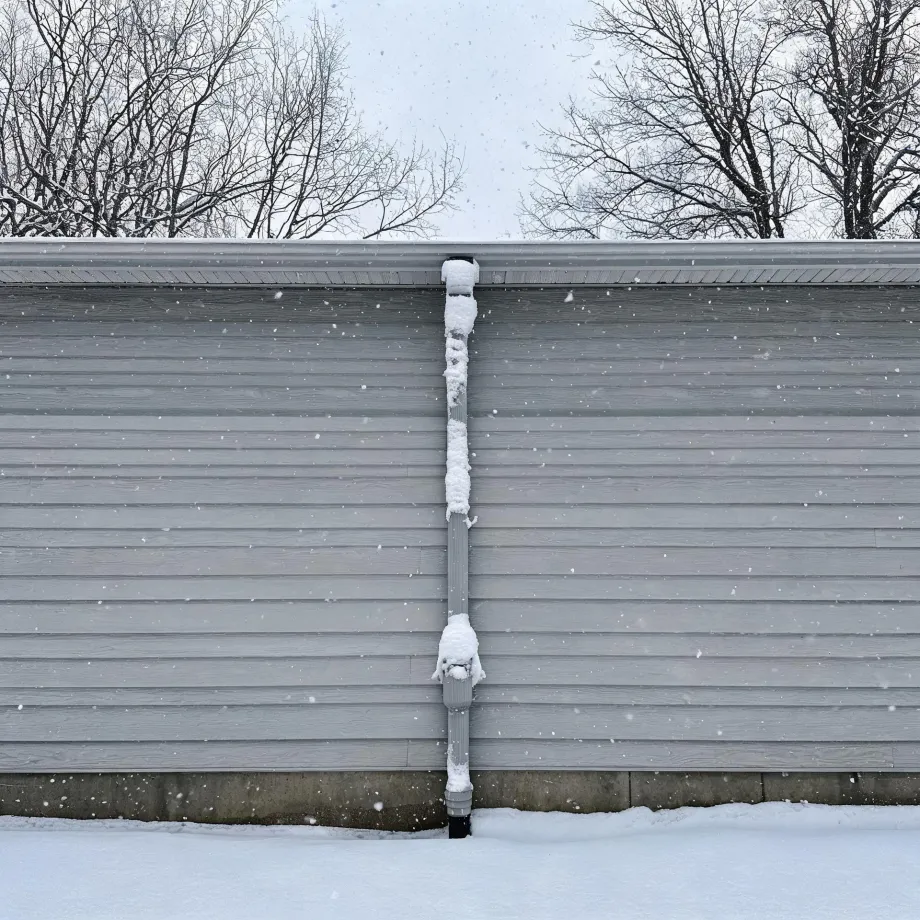
The blower motor drives conditioned air out through the supply side of the duct system and sits inside the furnace cabinet. The flue pipe runs from the furnace to the outside of the house, carrying combustion gases out. The thermostat on the wall is where most homeowners first notice something is wrong, and it is part of the diagnostic circuit a contractor traces.
The drawing shows a typical layout, and a licensed contractor determines what applies to your specific system and home.
Get matched in Prince George's CountyPrince George's County by the Numbers
251 severe weather events were recorded in Prince George's County, Maryland between 2015 and 2024.
NOAA National Centers for Environmental Information, Storm Events Database, bulk CSV export, events 2015-01-01 through 2024-12-31.Half the homes in Prince George's County, Maryland were built in 1977 or earlier (2020-2024 ACS 5-year).
U.S. Census Bureau, 2020-2024 American Community Survey 5-Year EstimatesPrince George's County, Maryland holds 365,506 housing units (2020-2024 ACS 5-year).
U.S. Census Bureau, 2020-2024 American Community Survey 5-Year EstimatesOwners occupy 62.3% of the occupied homes in Prince George's County, Maryland (2020-2024 ACS 5-year).
U.S. Census Bureau, 2020-2024 American Community Survey 5-Year EstimatesFurnace Repair Rules & Standards for Prince George's County, Maryland5 codes, laws & standards
What HVAC Repair Looks Like in Prince George's County
Non-weatherized gas furnaces manufactured on or after November 19, 2015 must reach 80.0 percent AFUE.
Non-weatherized oil-fired furnaces manufactured on or after November 19, 2015 must reach 83.0 percent AFUE.
Mobile home gas furnaces manufactured on or after November 19, 2015 must reach 80.0 percent AFUE.
Non-weatherized gas furnaces manufactured on or after December 18, 2028 must reach 95.0 percent AFUE, up from the 80.0 percent minimum that applies to units manufactured before that date.
What Prince George's County, Maryland Requires for HVAC Repair
Maryland requires a state licence before an individual provides, or assists in providing, heating, ventilation, air-conditioning or refrigeration services.
Severe Weather Events in Prince George's County
Hard weather puts real strain on furnace systems, and how much strain depends entirely on where the equipment lives. That local load shapes what breaks, how fast it breaks, and what repair work looks like in Prince George's County.
251 severe weather events, 2015–2024. Source: NOAA National Centers for Environmental Information, Storm Events Database.