

15 to 20 years
That is what a furnace or heat pump here runs under normal use. Past that mark, repairs get more frequent and replacement starts to make more financial sense than another fix.
Send the form and the search for an installer is over.
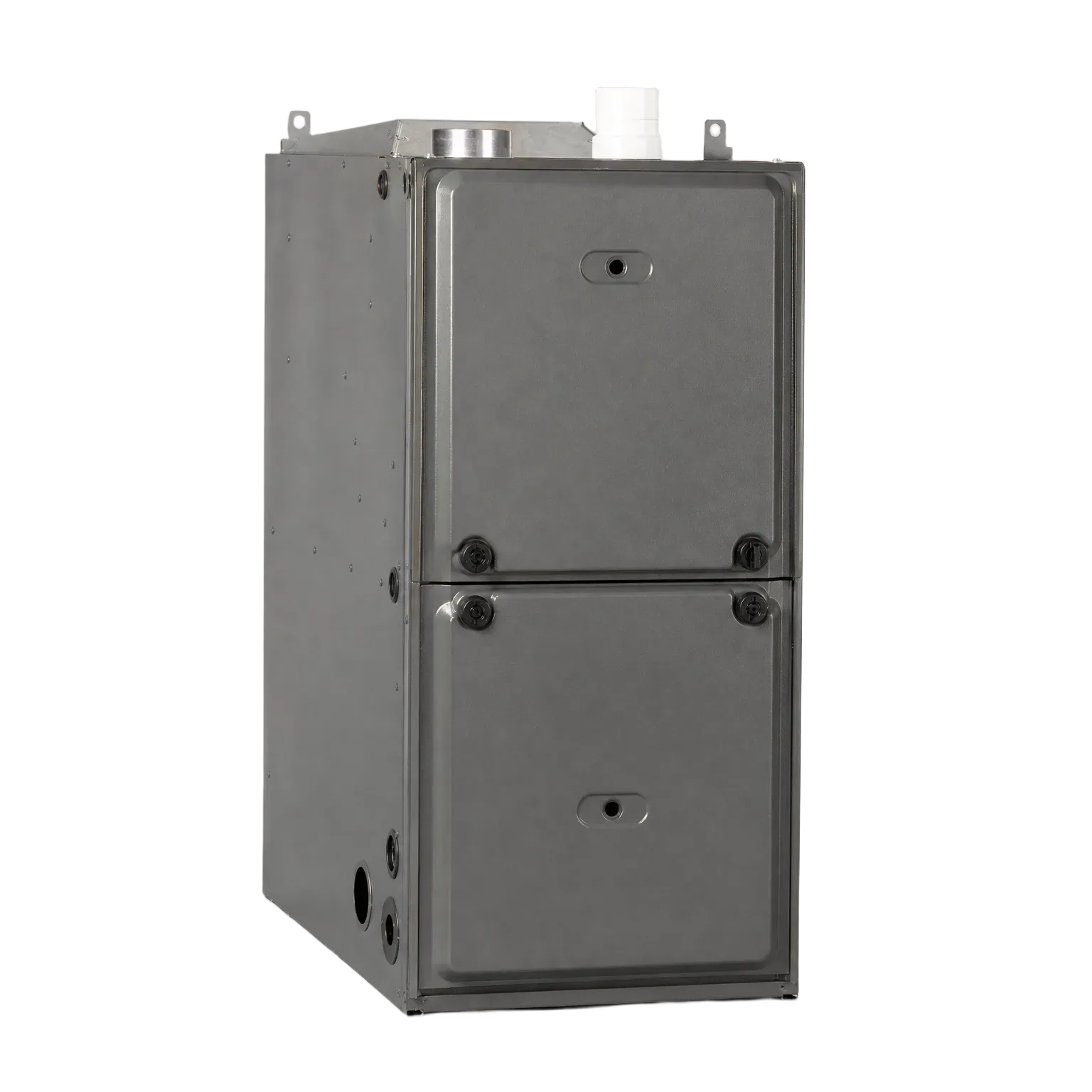
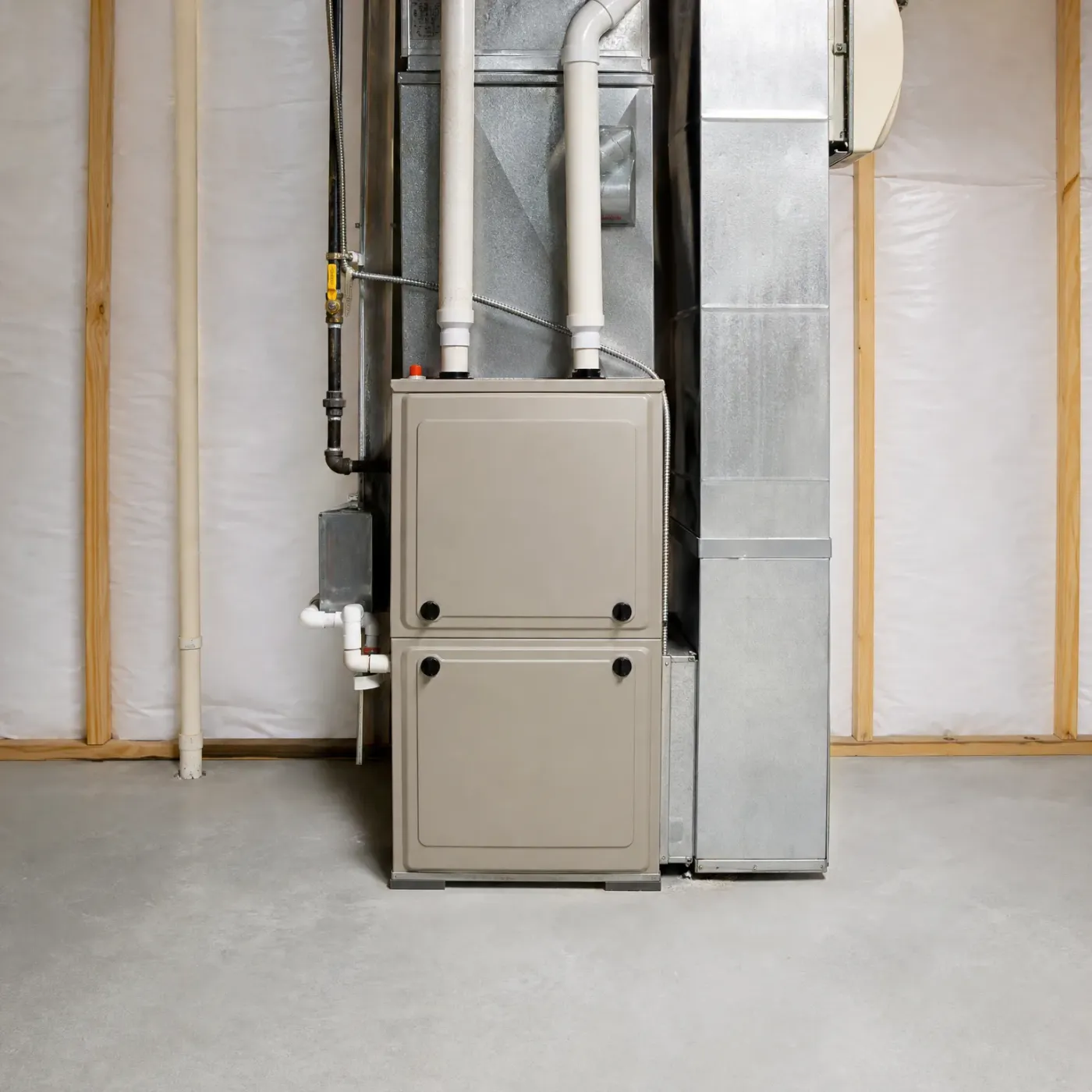
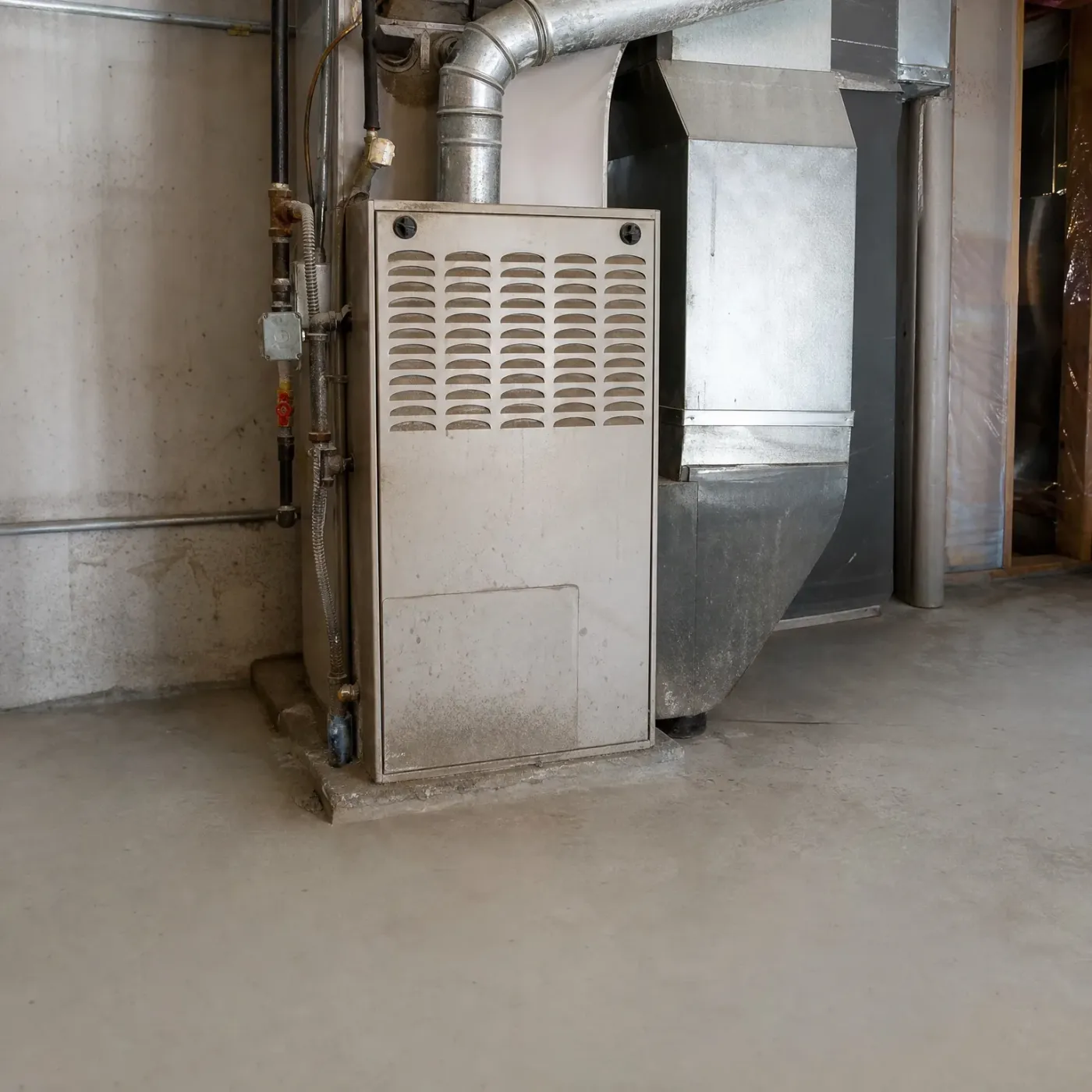
Hand off my installationA furnace in Maryland lasts about 15 to 20 years. Most homes here heat with electricity, so a lot of what you have is a heat pump rather than a gas furnace, and a heat pump's compressor tends to wear faster than a gas furnace's heat exchanger because it runs for both heat and air conditioning. That double duty matters here, since summers get sticky enough that the same system is working hard most of the year, not just in the cold months. Once a system passes 15 years, parts get harder to find and repairs start costing more without buying much time back. If yours is getting up there, it is worth knowing what replacing it involves before the day it quits on you in January.
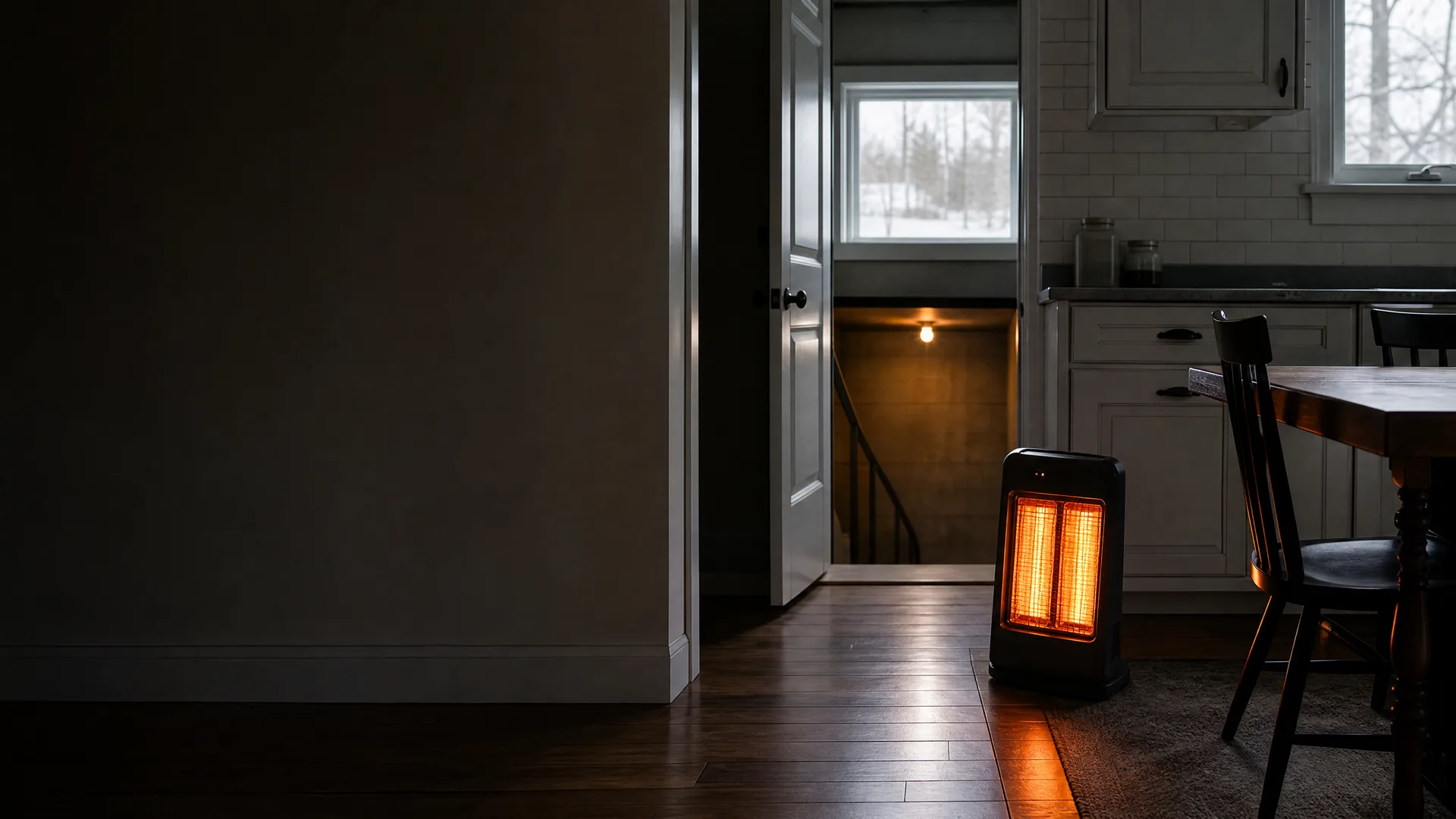
The space heater by the table is the only thing making noise. You've had it running since you came downstairs, the orange coil throwing off a small circle of warmth while the rest of the kitchen stays cold enough that you kept your coat on. The basement door is open behind you, because that's where the furnace is, and you went down twice already to see if it would catch. It didn't. Outside it's still dark enough that the streetlight's on, and the forecast said upper 20s for Baltimore this morning. You're doing the math on how long you can get away with the heater before you call someone, and whether the kids will be cold getting ready for school.
You notice it room by room. The bedroom at the end of the hall stays cold no matter where the thermostat is set. The air coming out of the vents feels cool, not warm, or it takes a long time to feel like anything at all. The system runs longer stretches than it used to and still can't catch up on a cold morning. You might hear it click on and off more than once in an hour. If it's a heat pump, the outdoor unit may be running constantly, caked in frost it can't shake. None of this is just an inconvenience. A system straining to heat the house is pulling more power to do less work, and on Maryland electric rates that shows up fast on the bill.




Skip collecting and comparing quotes for the new furnace.
It costs nothing to send, and you don't have to hire anyone.
A heat pump's compressor runs for cooling and heating both, April through the cold months, so it logs far more hours a year than a gas furnace's burner ever does.
More hours of work wears the compressor sooner, which is why a heat pump installed with the house often needs replacing well before a furnace would.


That is what a furnace or heat pump here runs under normal use. Past that mark, repairs get more frequent and replacement starts to make more financial sense than another fix.
Repair usually makes sense here. A tune-up or a part swap can carry the system through more winters before replacement is worth weighing.
A night that cold means your furnace is cycling on for hours at a stretch, all winter long. That kind of overnight run time adds up across a season, and it's part of why the system logs so many hours before it's worn out.
NOAA nClimDiv 1991-2020 county normals weighted by homes
The thermostat calls for heat and the defrost board checks outdoor temperature.
The reversing valve shifts and the compressor starts pulling in refrigerant.
The outdoor coil absorbs heat from the air even when it's cold outside.
Refrigerant carries that heat inside and the indoor coil releases it.

A furnace or heat pump in Maryland holds up for 15 to 20 years. Past that, the compressor or heat exchanger is working harder than it should, and the power bill shows it. That's the number to keep in mind, whatever shape your system is in right now.
If yours is getting old, the part that takes the most out of you usually isn't the install. It's finding someone to call, explaining the setup over the phone to one contractor after another, and sitting with quotes that don't match up. Send the form once and that work is off your plate. Someone qualified gets in touch, and you go back to the rest of your week.


Stop chasing a furnace pro