A calm water inlet bordered by a strip of golden marsh grass and a stand of tall pine trees under a mostly clear blue sky, with a low distant shoreline at left.Find a furnace pro

What a furnace tune-up covers before a Maryland winter

A local pro who services furnaces gets in touch about the tune-up.

Most homes in Maryland heat with electricity, and electricity here isn't cheap. A furnace that's been sitting idle since spring doesn't fail all at once. It loses efficiency a little at a time, and you only notice when the bill comes.

A tune-up before winter is how you catch that early. A contractor checks the igniter, tests the blower, looks at the heat exchanger, and makes sure the thermostat is actually talking to the system the way it should. If something's worn down or drawing more power than it should, this is when it shows up, not in January when you need the heat most.

You don't have to know which of those parts might be the problem. That's the point of having someone look. What you do have to know is what you're dealing with: a furnace that's a few years old versus one that's never had anyone touch it, a house that holds heat well versus one that doesn't. Once you tell us that, the search for who handles it isn't yours to do anymore.

Submit your information and you'll be matched with a contractor who services furnaces like yours in your part of Maryland. They'll reach out to you directly. No researching companies, no calling around to see who's available before the cold sets in. That part is off your plate the moment you send the form.

Winter doesn't wait, and neither should the check on your furnace. Whatever shape your system is in right now, the way to find out is to have someone qualified actually look at it, and that starts below.

A furnace tune-up before winter means a contractor checks the parts that wear with use and cleans the ones that collect dust over spring and summer. That includes the igniter or pilot assembly, the flame sensor, the blower motor and wheel, and the electrical connections that carry power to all of it. The contractor also checks airflow, since a dirty filter or a blocked return makes the blower work harder to push the same amount of heat through the house. None of this fails on its own in July. It wears down slowly, a little more each month the furnace sits unused, and the first cold snap is when a weak part finally gives out. Catching that in October, while the furnace is still off, means the repair happens on your schedule instead of on the coldest night of the year, when a working furnace matters most and electric heat is already costly to run.

A smiling bearded man in a dark green hooded jacket and blue t-shirt sits on a couch in a living room with shelves, a potted plant, and a bowl of popcorn on a wooden table.
A smiling man in a green long-sleeved shirt sits on a beige sofa in a living room, with a bowl of popcorn in the foreground, a large potted plant and shelving behind him.
A smiling man in a dark blue T-shirt sits on a couch in a dimly lit living room with a bowl of popcorn and a remote on a wooden table, a lit floor lamp and bookshelves behind him, and windows showing greenery.
A smiling bearded man in a dark green long-sleeved shirt sits on a leather couch in a living room, with a bowl of popcorn and a remote control on a wooden table in the foreground.
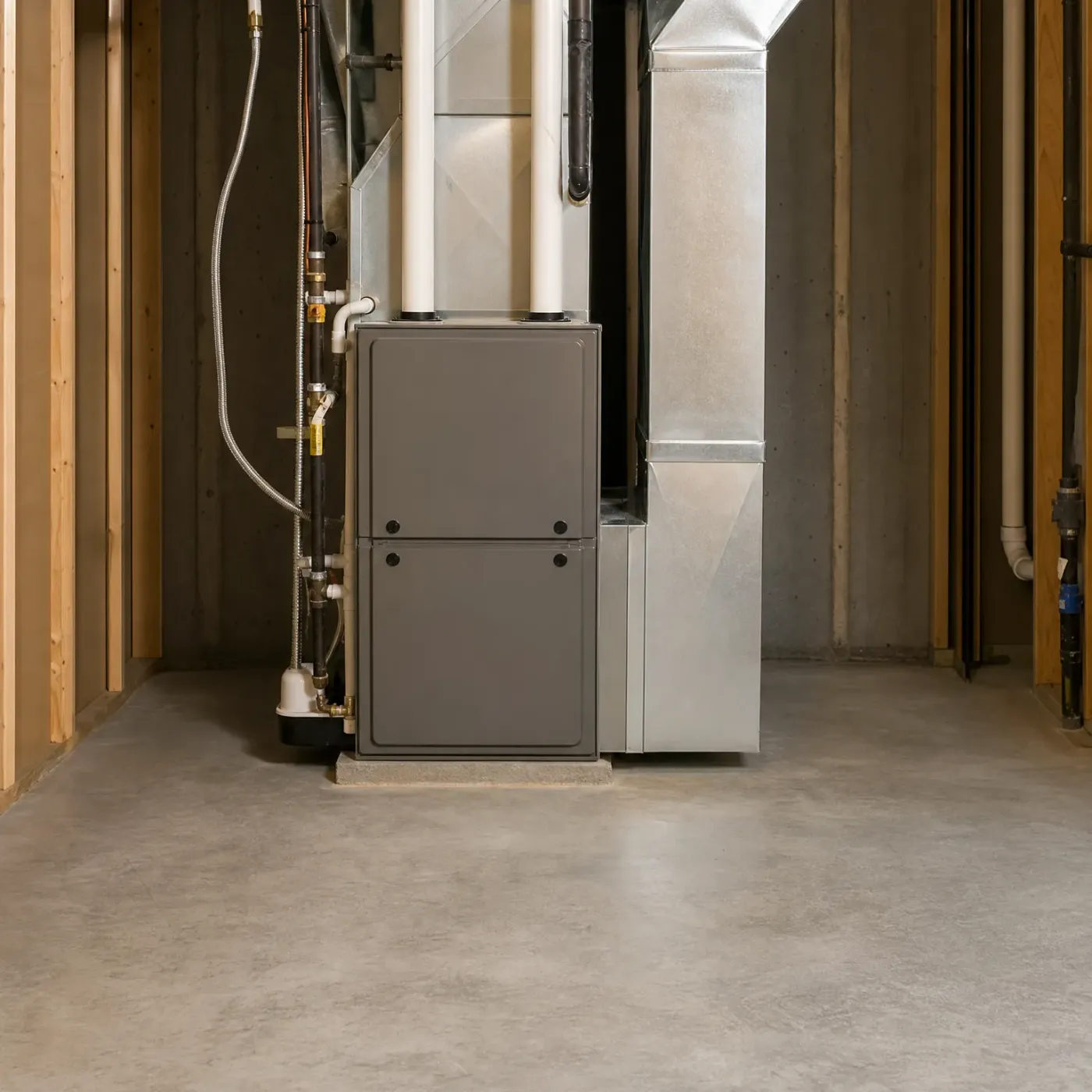
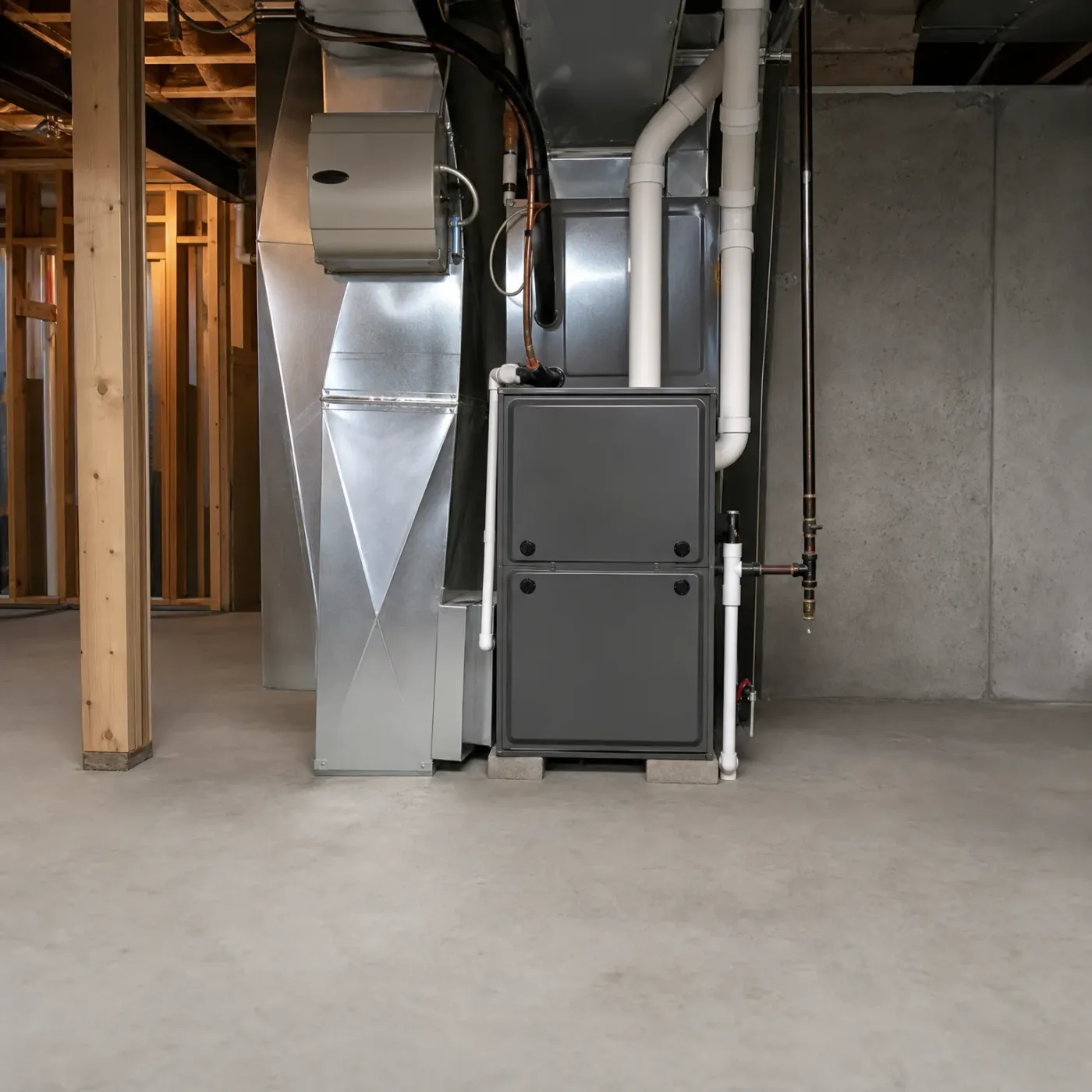
A gray high-efficiency furnace with white PVC vent pipes stands on a concrete pad in a basement, beside sheet-metal ductwork, copper piping and a poured concrete wall with wood framing at left.

Running the way it should

The burners light on the first try and the flame stays steady. The blower pushes air through the ducts without straining. A furnace that's been serviced burns gas cleanly and heats the house evenly, room to room, without the system working harder than it has to.

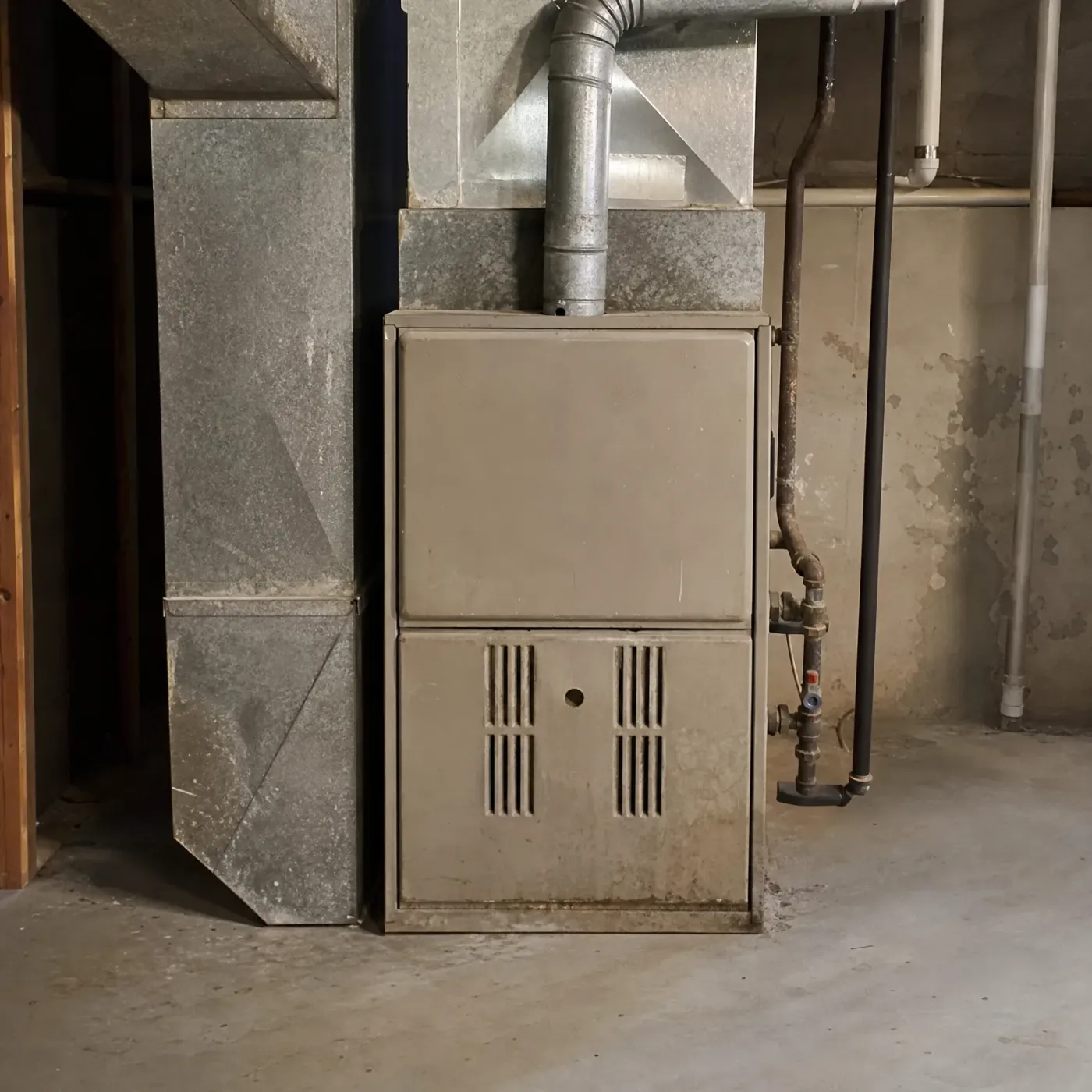
A beige gas furnace in a basement with a metal flue pipe, galvanized sheet-metal ductwork to its left, and gas and water pipes along the concrete wall to its right.

Running on borrowed time

The flame sensor is coated with residue, so the igniter keeps trying and the furnace shuts off before it warms up. A clogged filter or a slipping belt makes the blower work harder for less heat, and that shows up on your electric bill before anything actually breaks.

Tune-Up Now or Wait for Cold

Tune-up now

  • A contractor can get to the inspection before the first cold snap, when the schedule still has room for it.
  • Parts ordered because of what the tune-up finds arrive before you need the furnace every day, not after.
  • If the igniter or a sensor is close to failing, it gets replaced on your schedule instead of on a night when the heat's already out.
  • You know the electrical connections and the blower were checked before the furnace runs for months straight.
  • Any carbon monoxide or venting issue gets caught while a contractor can still take their time looking for it.

Wait until it's cold

  • If the furnace fails once it's running daily, you're calling for a repair on whatever day it quits, not a day you picked.
  • A contractor's schedule fills up once the cold sets in, so the wait for a visit tends to run longer.
  • A furnace that was never checked can run inefficiently for weeks before a colder bill tells you something's wrong.
  • Any small problem the tune-up would have caught has the whole winter to turn into a bigger one.
  • With electric heat costing what it does in Maryland, inefficiency that goes unnoticed keeps adding to every bill until someone looks at the furnace.
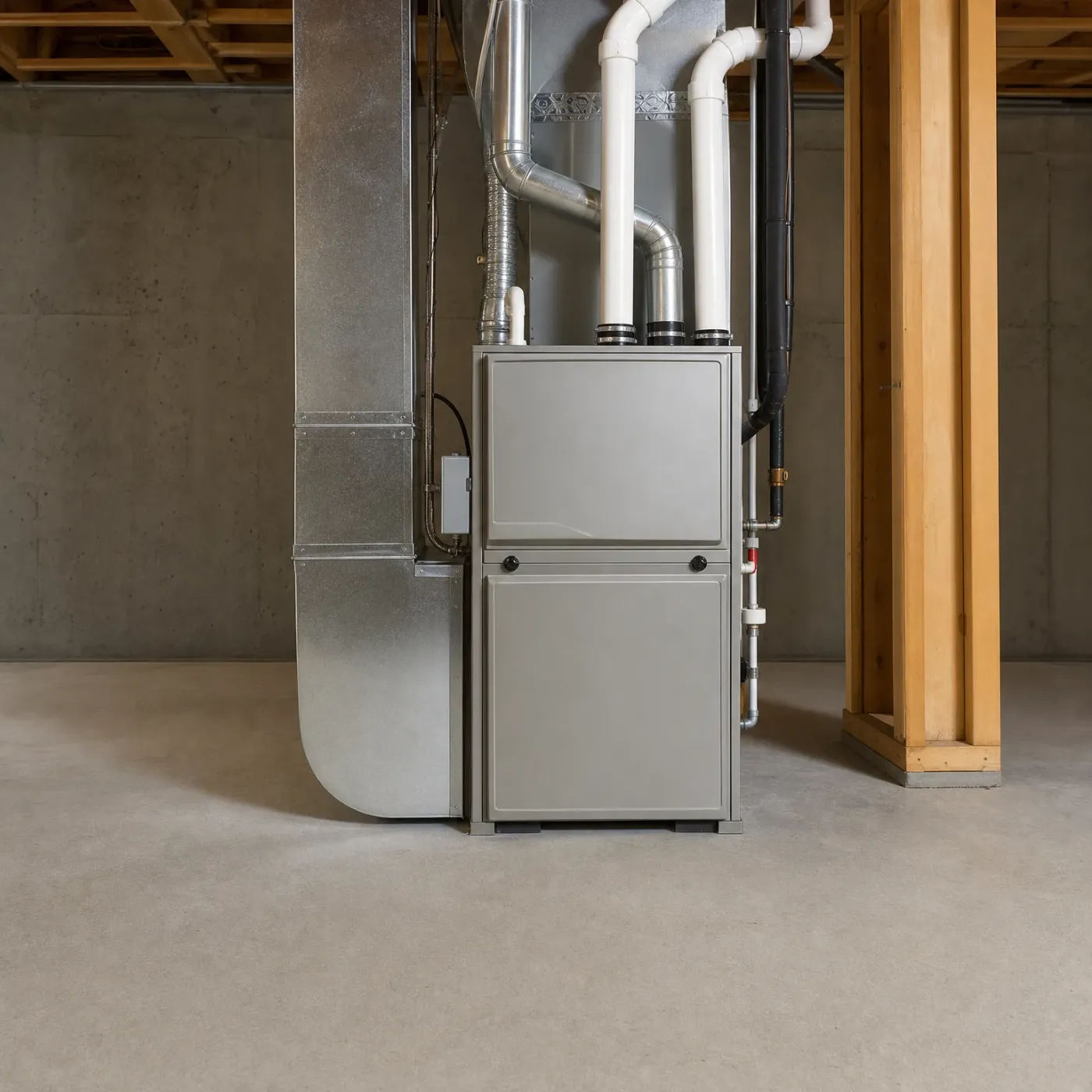
A gray high-efficiency furnace stands on a concrete basement floor beside sheet-metal ductwork, with white PVC vent pipes and a black flexible line running up to exposed wood floor joists, next to a wood-framed post against a concrete wall.

Serviced and ready

The burner flame burns steady and blue, and the blower moves air through the ducts the way it was sized to. The cabinet stays clean inside, the flue and condensate lines run clear, and the gas fittings hold tight. A furnace like this gets through a Maryland winter without surprises.

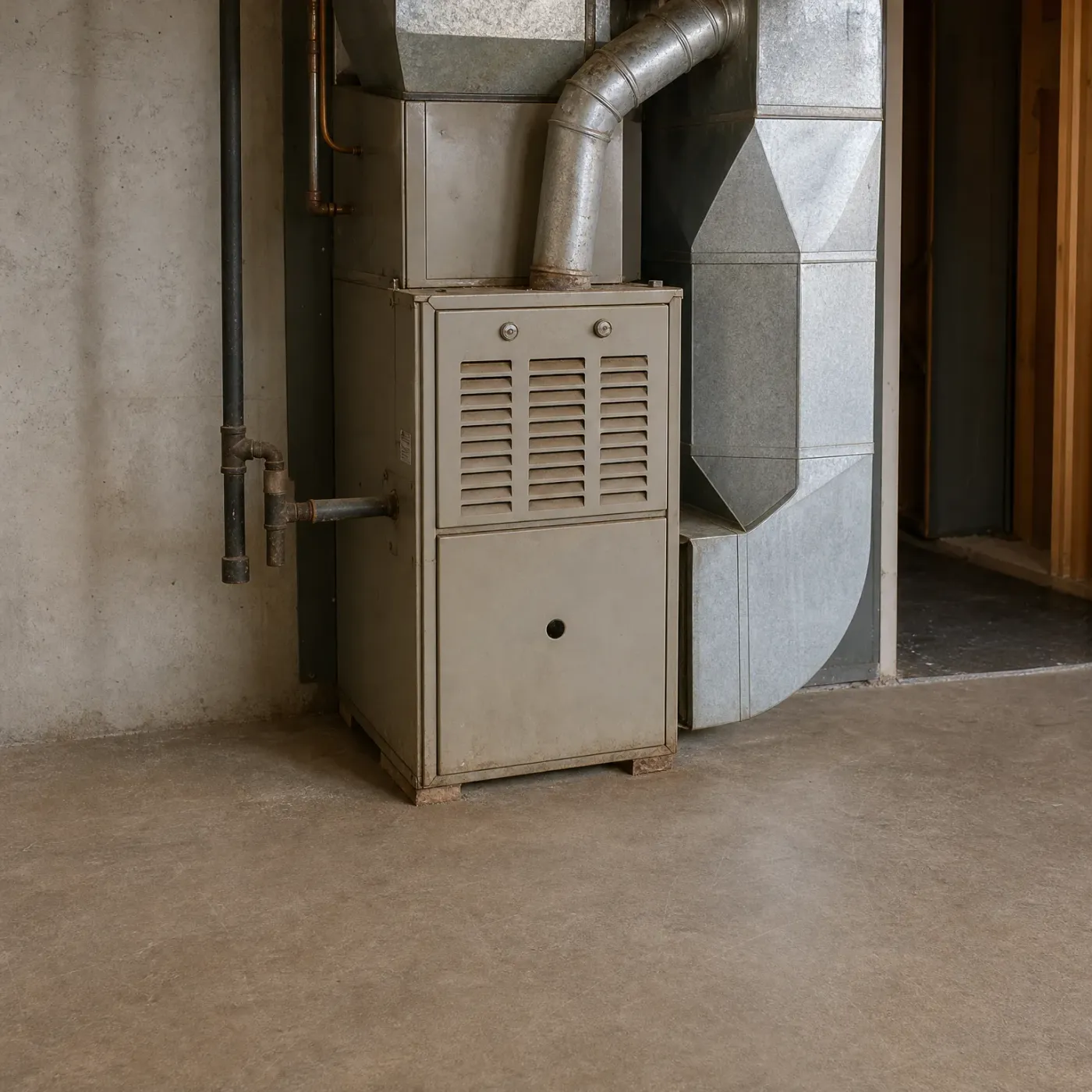
A beige metal furnace with a louvered front panel stands on a concrete floor against a concrete wall, connected to galvanized sheet-metal ductwork and a metal pipe.

Worn and neglected

Dust has built up around the burners and the blower wheel over the summer. The flame sensor reads weak, the igniter is pitted, and the old flue pipe shows rust at the seams. Left alone, a furnace in this shape struggles to keep up once the cold settles in and stays.

What does the contractor actually do during a furnace tune-up?

You want to know what you're paying for, not just that a tune-up is a good idea. If a contractor is going to spend time in your mechanical room before the cold sets in, you want to know what they're actually doing in there, step by step, so you know it's worth having done.

It goes in a set order, starting with power off and ending with a test run

A contractor starts by shutting off power and gas to the furnace, then pulls the panels and checks the burners and heat exchanger for cracks or soot. Next comes the igniter or pilot, tested for a strong, steady flame, and the flame sensor, cleaned if it's coated enough to cause trouble. The blower wheel gets cleaned if it's caked with dust, since a dirty wheel moves less air for the same power draw. Electrical connections get tightened, since a loose one can cause the furnace to shut down mid-cycle. Last comes a full run, checking that it starts, heats, and shuts off the way it should.

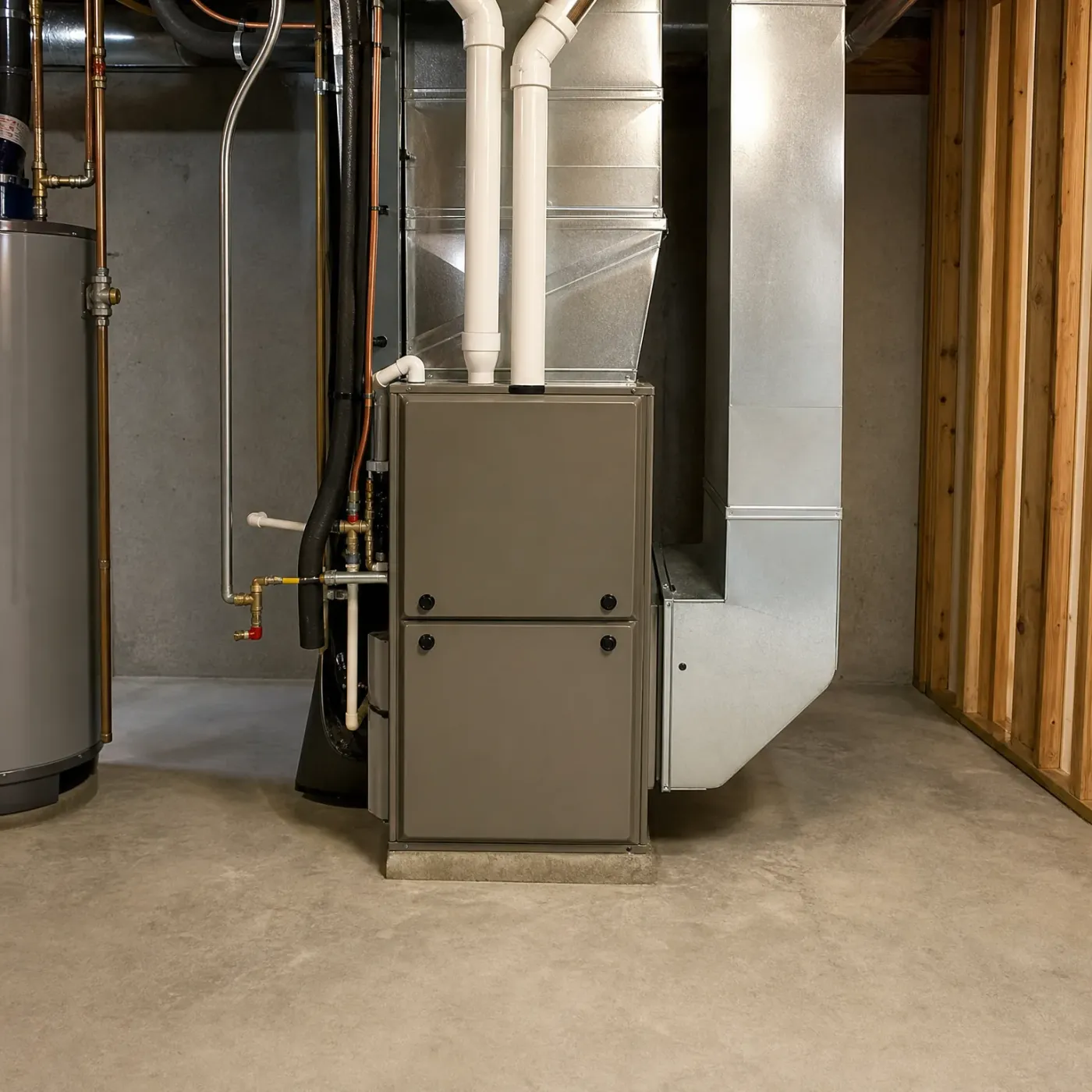
A gray high-efficiency furnace in a basement with PVC vent pipes, sheet-metal ductwork, copper and insulated pipes, a water heater at left, and an unfinished wood-stud wall at right.
This furnace vents through PVC pipe, and the cabinet and ductwork around it are clean. Nothing here suggests it's been skipped.
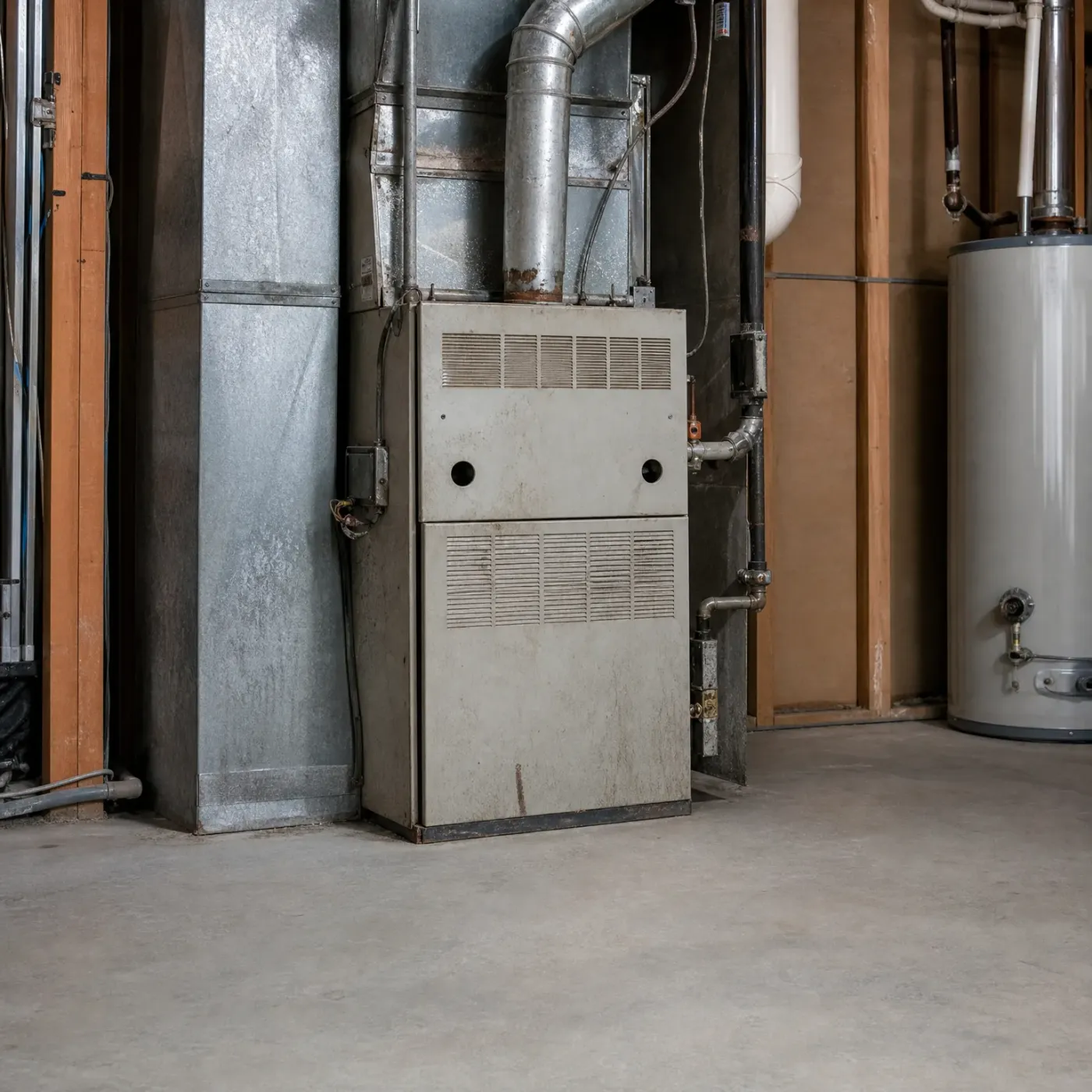
An older beige furnace with louvered front panels stands on a concrete basement floor beside galvanized ductwork, metal and plastic pipes, exposed wood framing, and a cylindrical water heater at right.
This older furnace runs galvanized ductwork, and the basement around it shows its age. A unit like this is worth a closer look before winter.
A woman in a dark gray sweater reclines on a light sofa with eyes closed and a slight smile, under a textured gray blanket with an open book resting on her lap, with a lit table lamp and plant in the background.
A smiling bearded man in a navy crewneck sweater sits at a dinner table with a glass of red wine, plates and glasses in the foreground, in a dimly lit room with a lamp and framed picture behind him.

A furnace pro near you

You already know what a Maryland winter costs once the heat strip kicks in behind an electric furnace that isn't running clean. A unit that lights slow, burns uneven, or pushes air weaker than it should is spending more of your money to do the same job. That gap shows up on the bill in January, not now, which is why checking it before the cold settles in is worth the hour it takes. You don't have to track down who does this kind of work or sort through who's any good at it. Send the request and a contractor who handles furnace tune-ups in your area gets it and reaches out to you. One contractor, matched to your furnace and your part of Maryland, not a list you have to call through yourself. The furnace is still sitting there either way. Handing off the next step now means it's off your plate while there's still time before the first hard freeze.

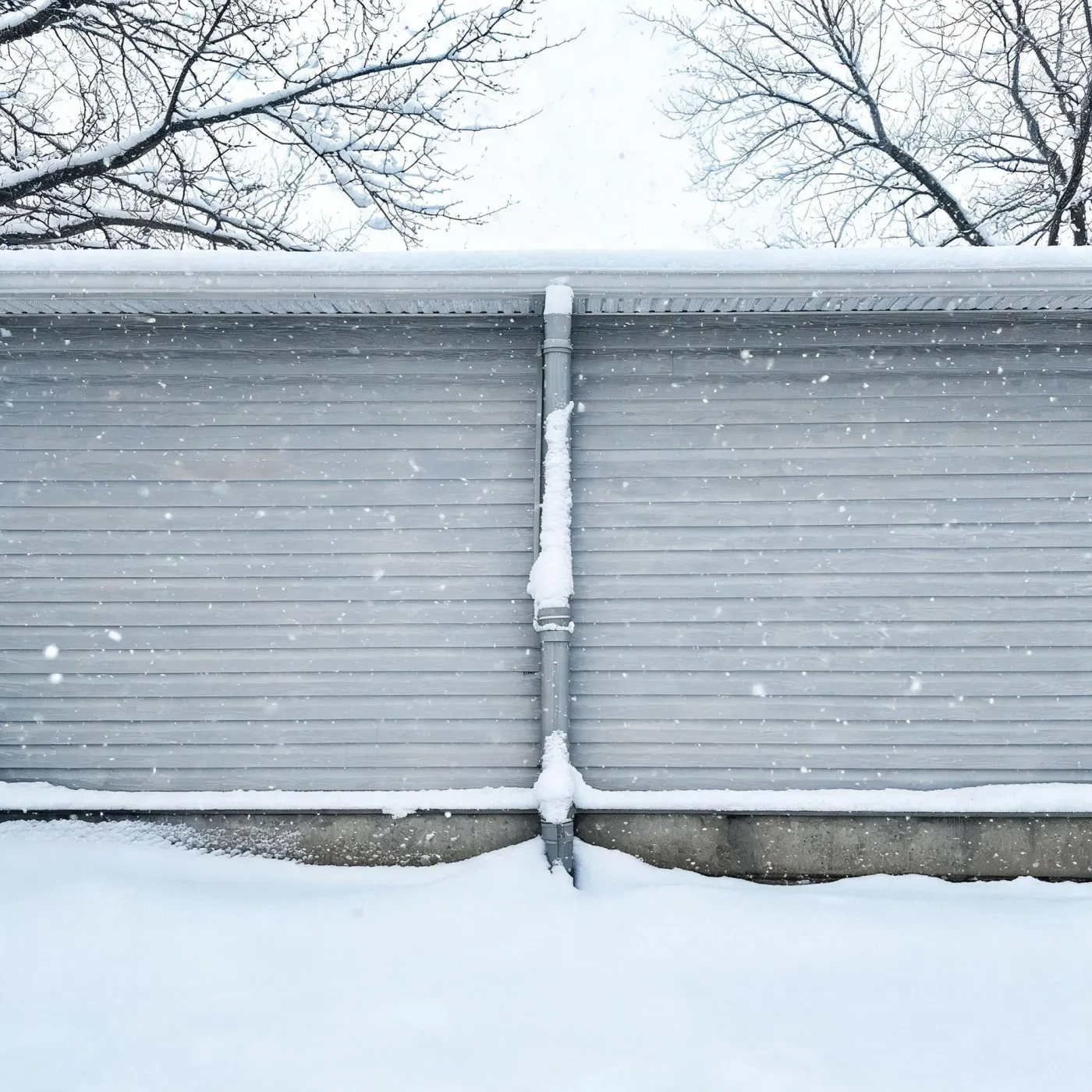
Exterior of a gray horizontal-lap-sided building with a snow-covered roof edge and a central downspout, seen during falling snow with deep snow on the ground and bare tree branches above.

Winter nights across Maryland average 27°F, according to NOAA climate data. That's below freezing for most of the night, every night, from December through February. Your furnace has to run longer stretches to hold the house at temperature, and it doesn't get much of a break between cycles. A blower that's pushing weaker than it should, or a flame that's not burning clean, has to work through all those hours anyway. You'll feel it as a room that takes longer to warm up, or a thermostat that seems to run the system more than it used to.

NOAA nClimDiv 1991-2020 county normals weighted by homes

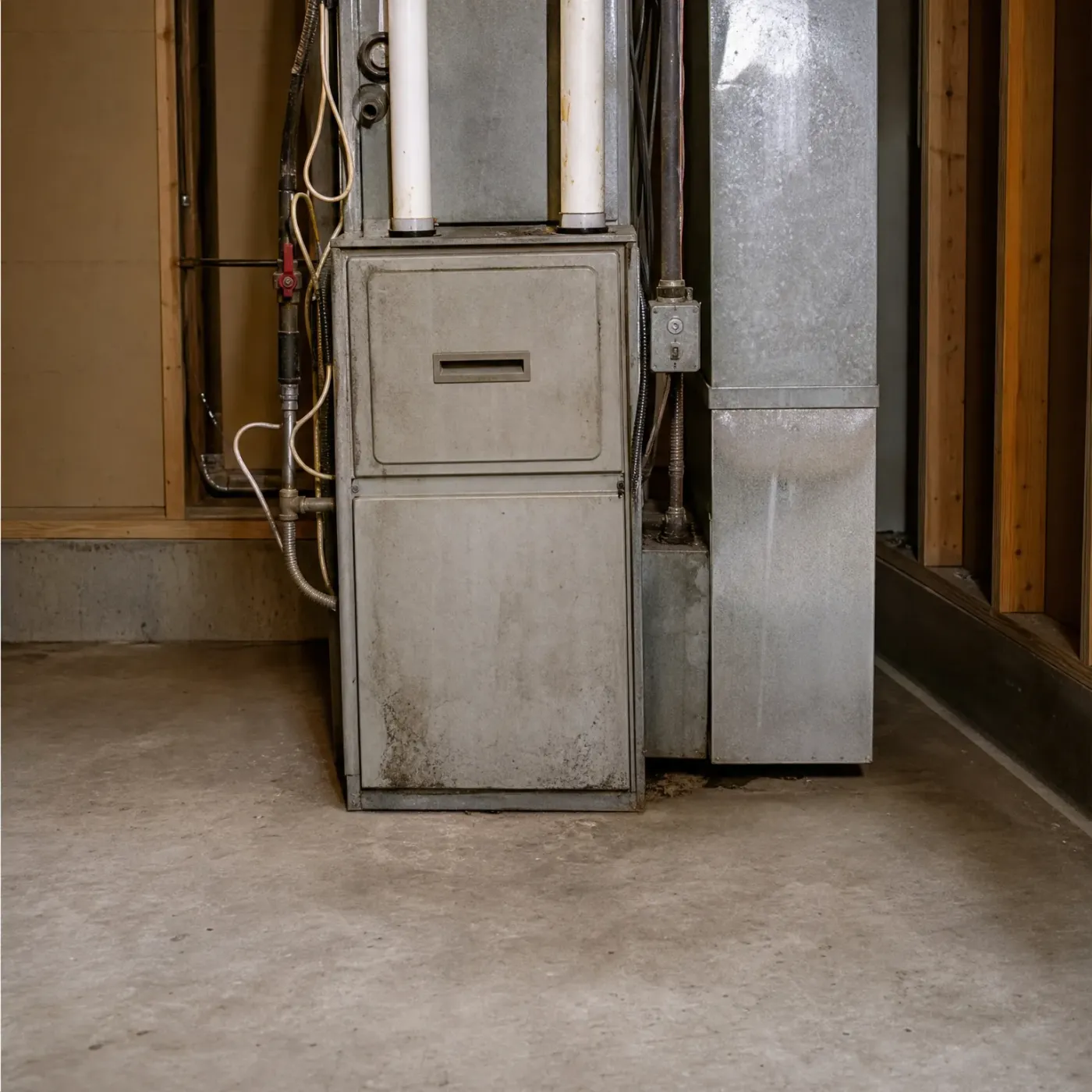
An older gas furnace with two white PVC vent pipes stands on a concrete basement floor beside galvanized sheet-metal ductwork, flexible conduit, and piping along a wall.
Before you get your furnace maintenance
A gray high-efficiency furnace with white PVC venting pipes stands on blocks in a basement next to sheet-metal ductwork, with exposed wood framing on the left and a concrete wall and floor.
After you get your furnace maintenance

Why does one room run colder than the rest?

You might notice the bedroom upstairs never quite catches up, or the vents blow but the air feels lukewarm by the time it reaches the far end of the house. Maybe the furnace takes a few tries to light, or you hear a click and a pause before it finally kicks on. Some nights it runs almost the whole time without the house getting any warmer. None of that is normal wear you just live with. A furnace working harder than it should to heat the same space is pulling more power to do it, and on an electric system in Maryland that shows up fast on the bill. Left alone, the parts causing it tend to wear further, not less.

  1. The contractor shuts off power and gas before opening the cabinet.

  2. The burner assembly and flame sensor get pulled and cleaned.

  3. The igniter is checked for a steady, strong glow.

  4. The blower motor and wheel get cleared of dust buildup.

Winter nights average 27°F statewide

At 27°F, your furnace is cycling on most of the night, not just kicking on now and then. A unit that lights slow or runs dirty is working through all those hours at a loss, and that shows up on the bill before anything else does.

NOAA nClimDiv 1991-2020 county normals weighted by homes

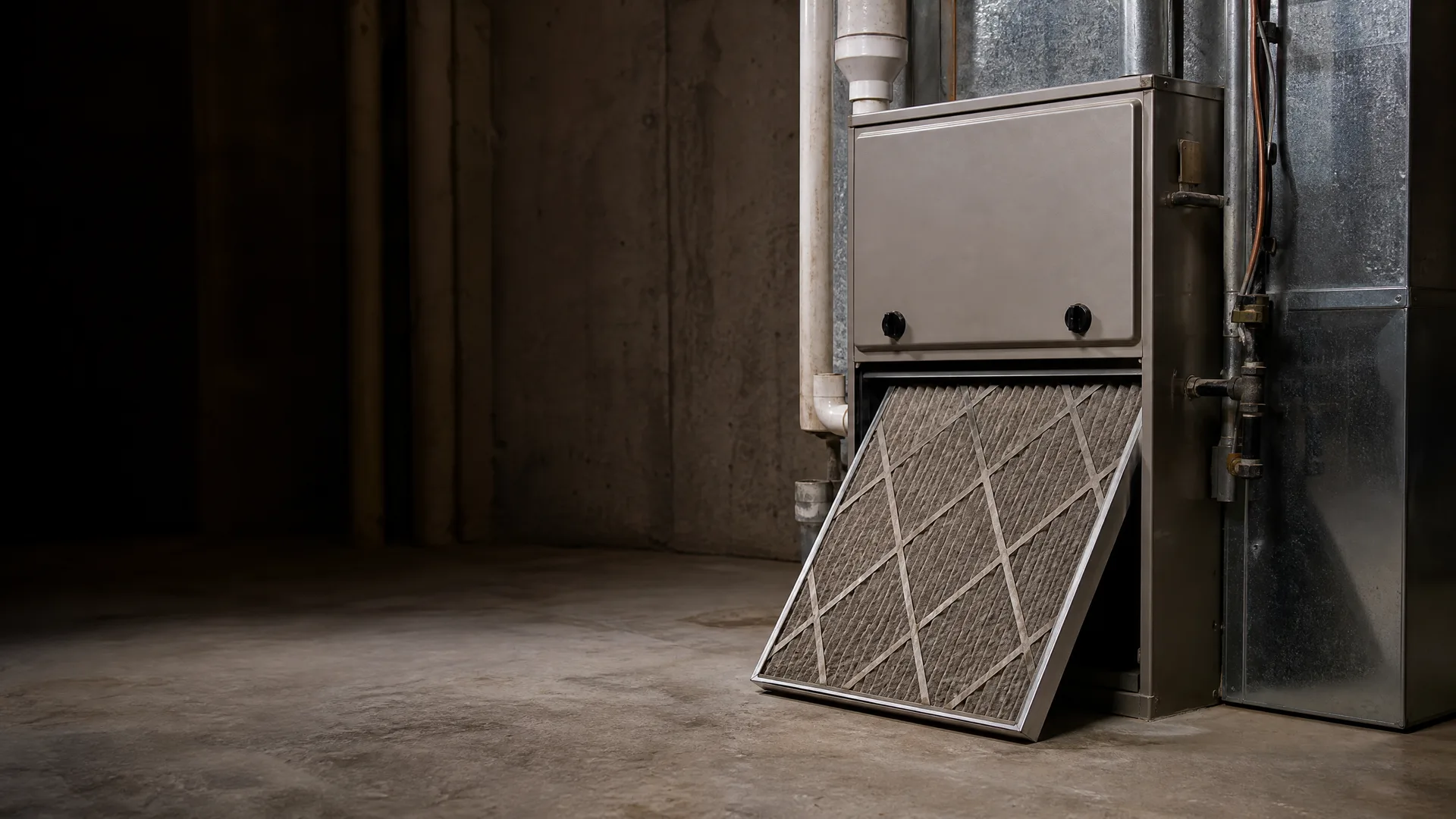
A dirty pleated air filter leans against a furnace with metal ductwork in a dim concrete basement.

It's an October afternoon and the light in the basement comes mostly from the bulb over the workbench. You've pulled the filter halfway out to check it before the cold really sets in, and it's gray, matted with the dust that's been collecting since spring. You turn it over once, look at the furnace cabinet beside it, still closed up, quiet. The house upstairs is warm enough that you haven't needed it yet. You slide the filter back partway, then stop, thinking about what else in there hasn't been looked at since last winter. The basement smells faintly of dust and concrete. Outside, the afternoon is still mild, but you know that won't last.


A man in a dark blue shirt stands in an open front doorway of a stucco and wood-clad house, facing a blond woman seen from behind in the foreground on a stone walkway.

A tune-up now tells you what your furnace needs before the cold does

A furnace tune-up before winter is a contractor going through the parts that wear and the parts that collect dust, and fixing what they find before you're relying on the furnace every night. That's the whole answer. Whether yours needs more than cleaning and adjustment is something only an inspection in your mechanical room will tell you.

Once you request that inspection, the work of finding someone qualified is off your plate. You'll be matched with a contractor who looks at your furnace specifically, the one in your basement with its own wear and its own history, and that contractor will reach out to you directly. You don't have to track down a service, compare schedules, or figure out who covers your part of Maryland. That part is handled so you can spend your evening on something other than phone calls.

A living room corner with a beige sofa and cushion, a round wooden coffee table holding a pale ceramic vase of eucalyptus stems and a wooden bowl, and a curtained window with a potted plant above a latticed radiator cover in the background.
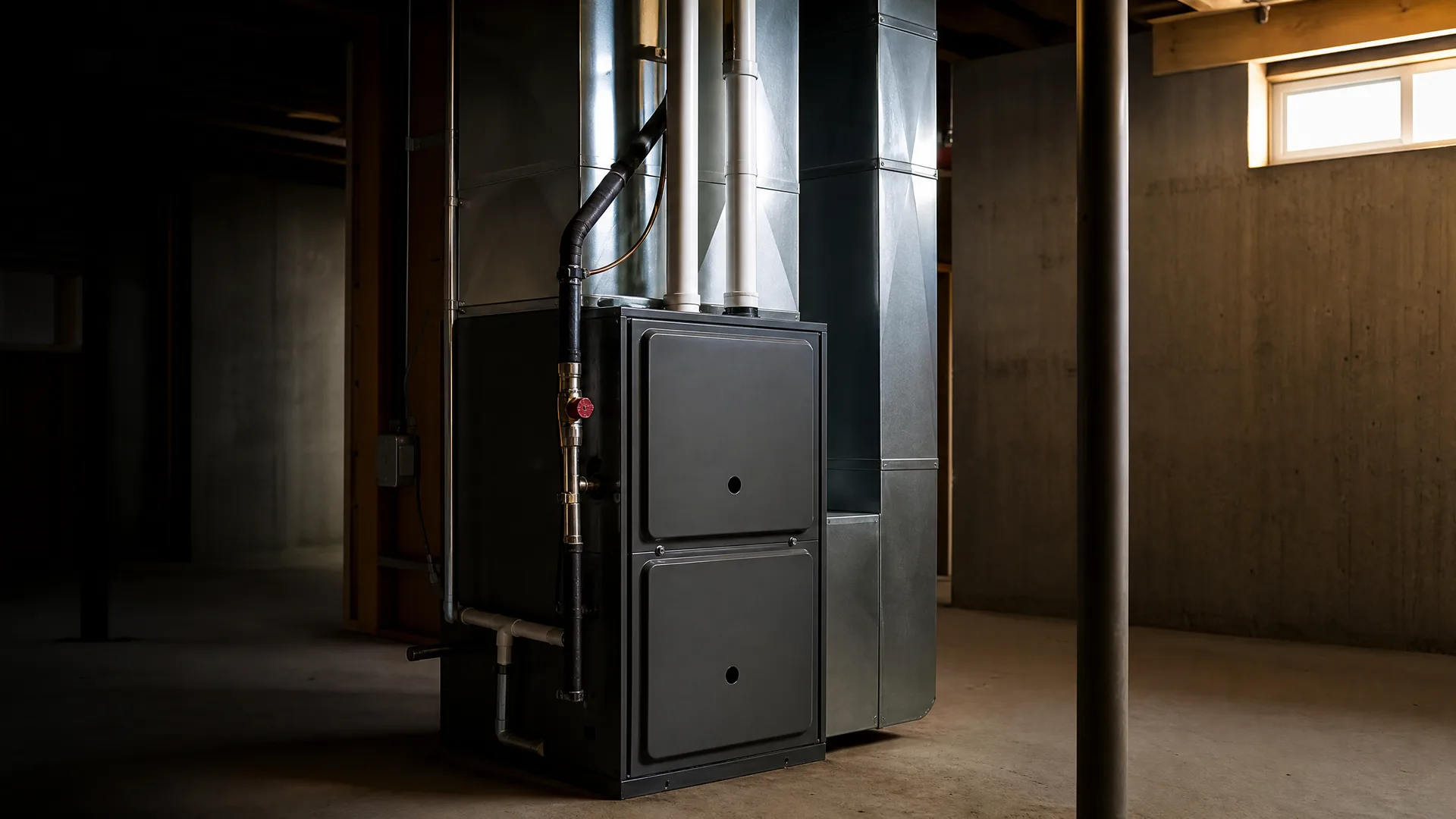
A dark gray high-efficiency furnace with two white vent pipes and connected sheet-metal ductwork stands in an unfinished basement with concrete walls, a support pole, and a small window.

A local pro for your furnace maintenance

Step 1 of 3: Equipment