Running clean
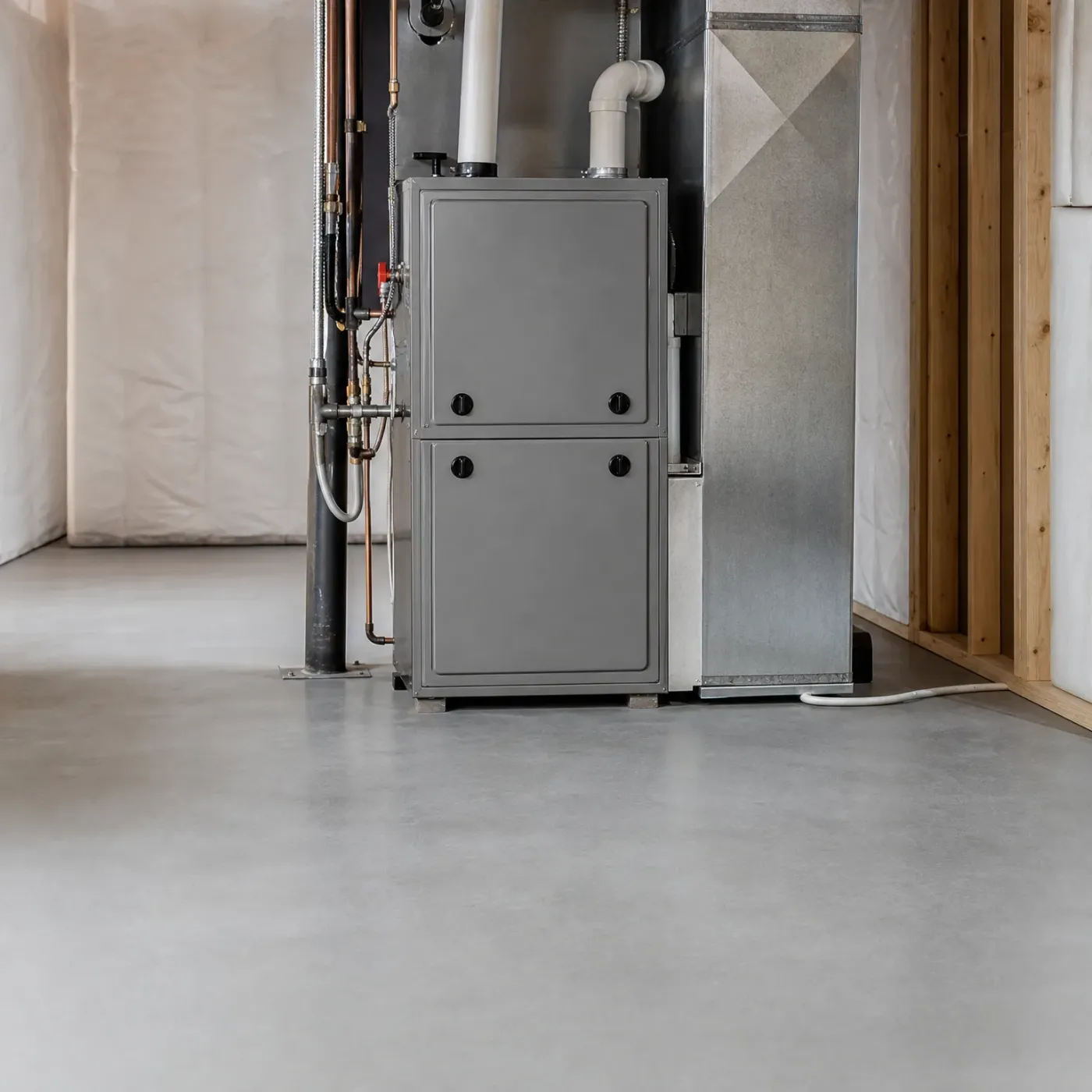
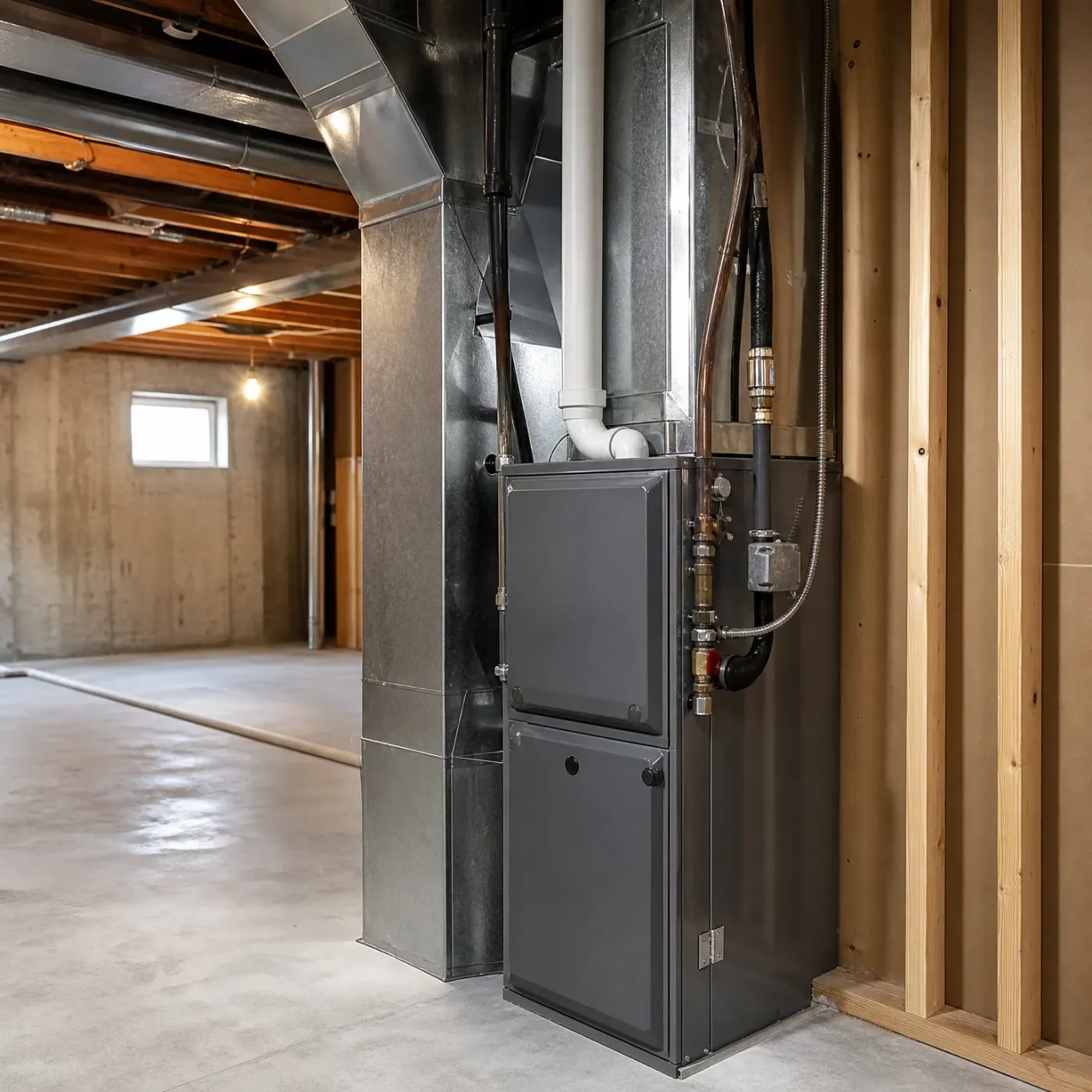
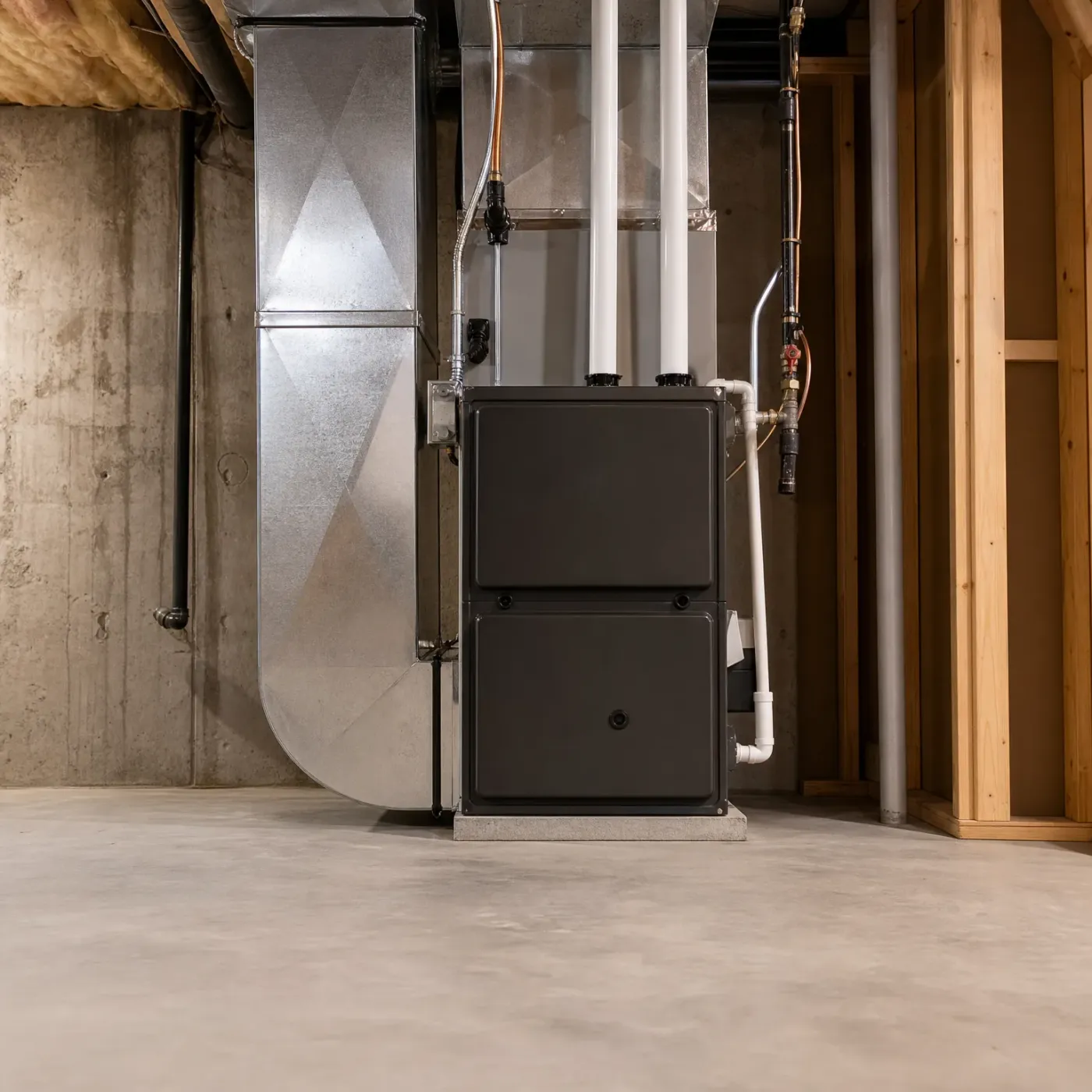
A high-efficiency furnace vents through PVC pipe, not metal flue, and sits next to ductwork that carries heat to every room. Set your number and it fires, heats, and shuts off on its own. Nothing here needs your attention.

You want a number that keeps the house comfortable without running up the bill, especially since most homes in Maryland heat with electricity and that electricity isn't cheap. A thermostat set too high runs the furnace more than it needs to. Set too low, and you're cold all winter for no reason. You want the setting that gets the balance right.
68 degrees is the setting most people land on for comfort without waste. Every degree above that adds to how often the furnace runs, and with electric heat that shows up on the bill fast. Dropping the setting 7 to 10 degrees for the hours you're asleep or out of the house, then letting it come back up before you're home, cuts into that without you feeling the difference. Maryland winters swing, some weeks mild and some weeks hard freezes, so the furnace already has to work harder some nights than others. A consistent setting, rather than cranking the heat up and down by hand, keeps it from working harder than it has to on top of that.
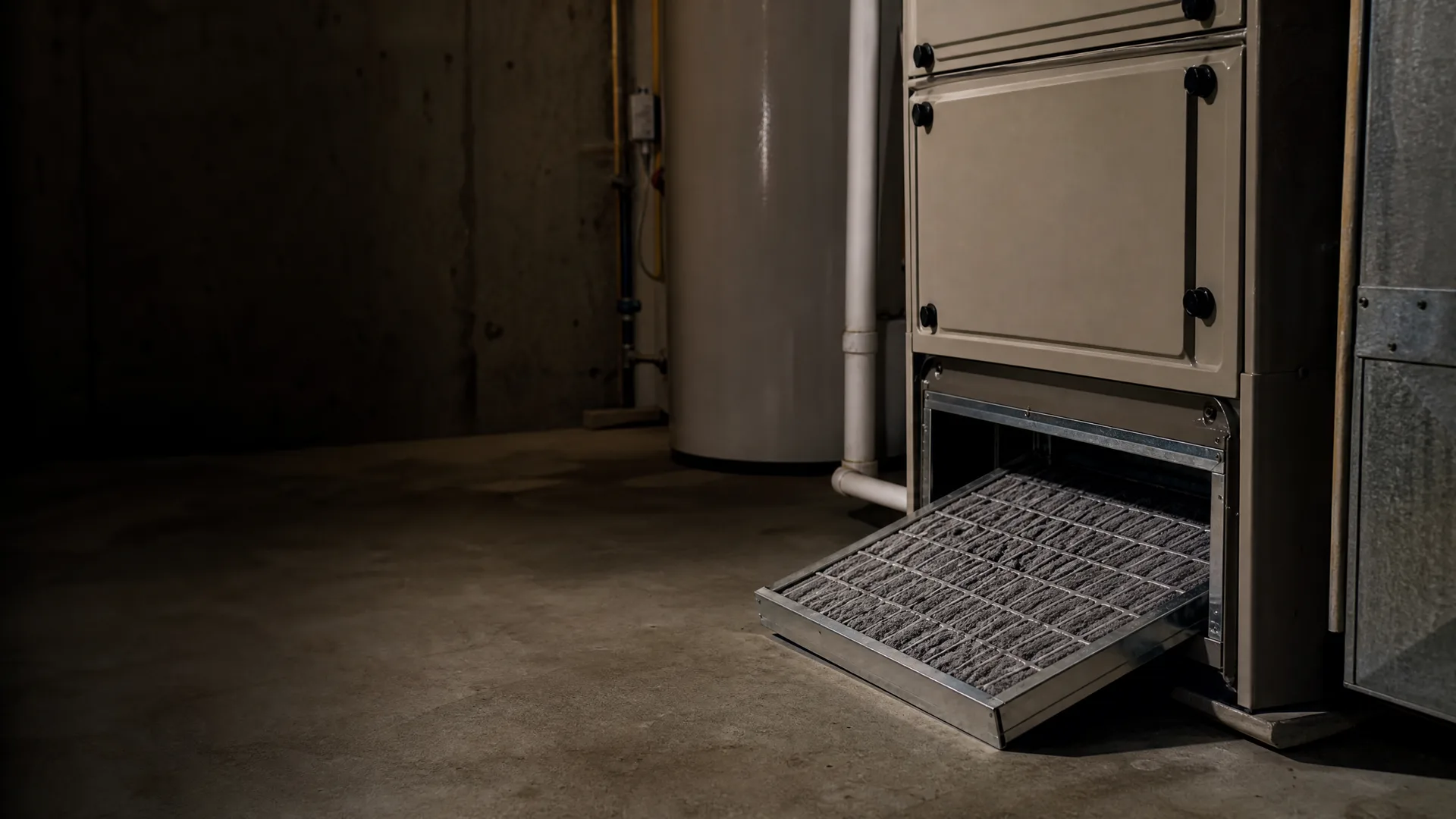
You're down in the basement on a Saturday afternoon in October, finally getting to the furnace before the cold sets in for real. You slide the filter out to check it and stop. It's grey, matted with dust, the pleats barely visible anymore. You can't remember the last time anyone changed it. Upstairs the thermostat is set to the number you settled on, the one that's supposed to keep the heat affordable once the electric bills start climbing. But a furnace pulling air through a filter this clogged has to work harder to push that same heat through the house, no matter what the thermostat says. You stand there holding it, thinking about the months ahead and what this is costing you without you knowing it.
Your thermostat doesn't control heat directly. It sends a call, and the furnace runs through a sequence before any warm air reaches a vent. The igniter glows, the gas valve opens, and the burners catch. Only then does the blower start, and it waits those first few seconds on purpose, giving the heat exchanger time to warm up before pushing air through your ducts. When the burners shut off, the blower keeps going a little longer to pull the remaining heat out of the exchanger rather than waste it. Each of those steps has a part watching it. The flame sensor is the one that matters most on a cold night. It confirms gas is actually burning every time the burners light, and if it doesn't see a flame, it shuts the system down rather than let gas build up. Most of the time, a furnace that won't stay lit isn't broken. The sensor's just coated in dust and can't read the flame anymore. Setting the thermostat low enough that the furnace is cycling on and off constantly puts more wear on that igniter than a furnace running longer, steadier stretches.


Fill out one form instead of calling around for a furnace tune-up.
A local pro who knows furnaces gets your details and gets in touch.
Asking costs nothing, and the choice to hire stays yours.




A furnace has a few built-in checks that decide whether it keeps running or shuts itself down. The limit switch watches the heat exchanger. If it gets hotter than it should, usually from restricted airflow, the switch cuts the gas valve before anything cracks or warps. The flame sensor does something similar on the other end of the cycle. It has to detect the burner flame within a few seconds of ignition, and if it doesn't, the control board assumes something's wrong and kills the gas valve rather than letting gas flow with nothing to burn it. That sensor picks up a film of dust and carbon over time, and once it's coated enough, it can't tell a flame is there even when one is. That's why a furnace will sometimes fire, run for a few seconds, then quit, over and over. Before any of that happens, the inducer motor has to pull exhaust out of the heat exchanger so the igniter can do its job safely. If the inducer is weak or failing, the furnace won't even attempt to light. On the airflow side, a filter clogged with dust or vents shut around the house raise the static pressure the blower has to push against. The blower works harder to move the same amount of air, and that extra strain is what wears out a blower motor years before it should give out.
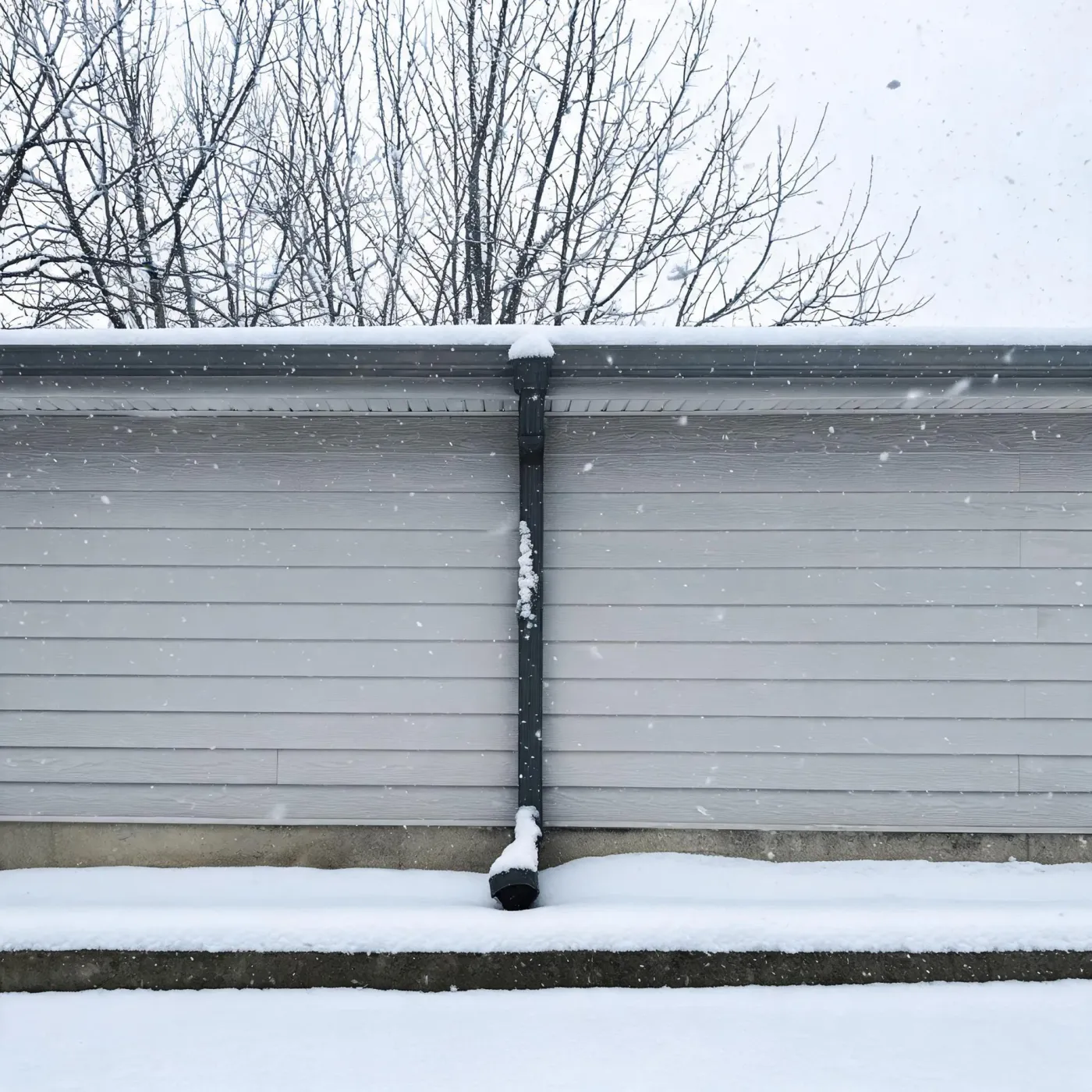
Statewide, winter nights average 27°F, according to NOAA climate data. That's cold enough that your furnace is cycling on through most of the night, not just running at sunrise and again at dusk. The burners fire, shut off once the house hits your number, then fire again a few hours later as the house loses heat. A furnace that's due for maintenance has to work harder to recover that lost heat each time, which shows up as longer run times and a blower that seems to be on more than it's off. On a night that stays near 27°F, that difference is what shows up on the bill.
NOAA nClimDiv 1991-2020 county normals weighted by homes
You notice it when the thermostat says 68 but the room feels cooler than that, or when the blower seems to run and run without the house ever quite catching up. Maybe a room upstairs stays chilly no matter what you set downstairs. Maybe the air coming out of the vents feels weaker than it used to. Some rooms might hold heat fine while others lag behind. If the furnace is working harder to hit the same number you've used for years, it's using more electricity to do it, and on Maryland's rates that shows up on the bill before it shows up anywhere else. A furnace straining to hold a setting is also one that's more likely to stop holding it at all, on the night you need it most.
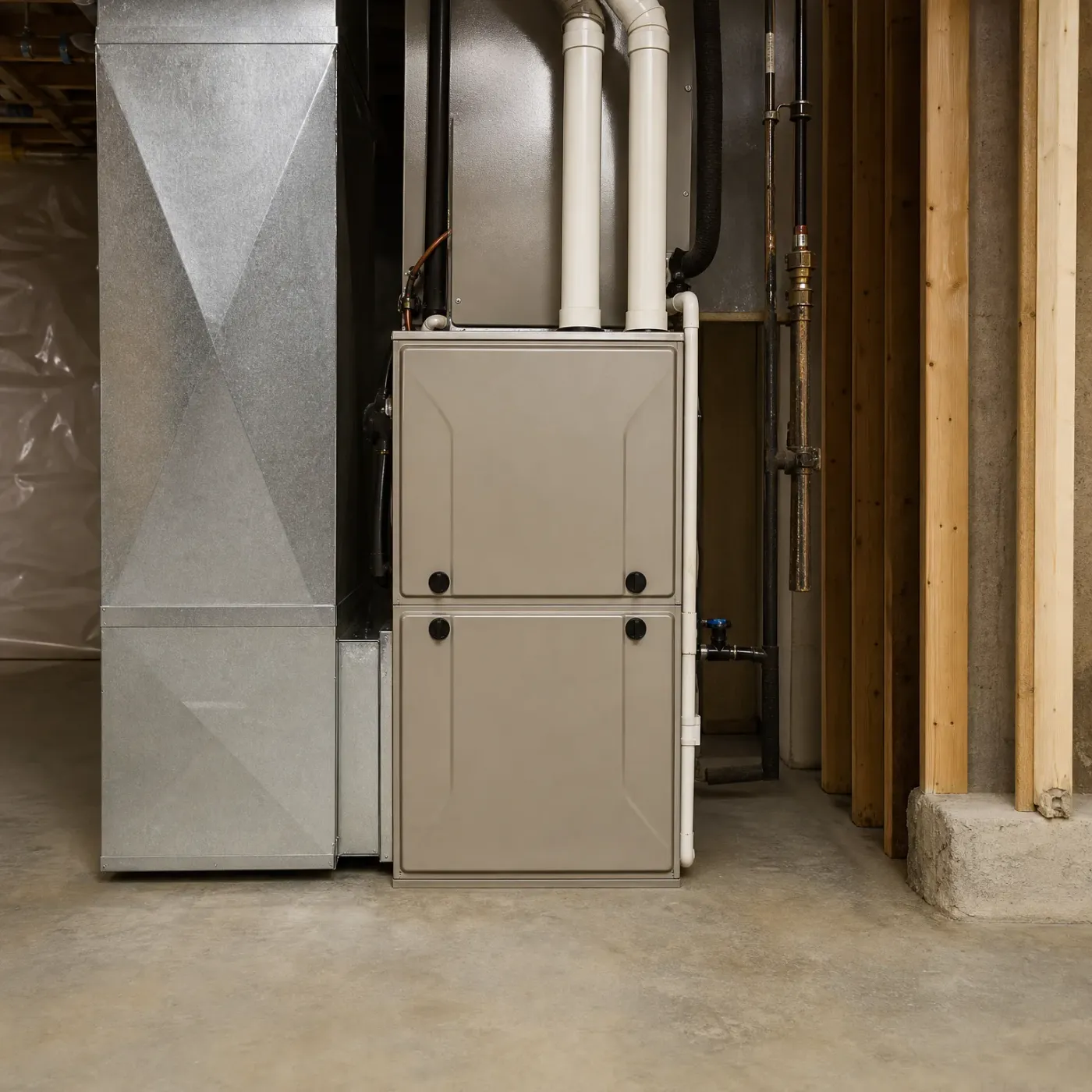
A high-efficiency furnace vents through PVC pipe, not metal flue, and sits next to ductwork that carries heat to every room. Set your number and it fires, heats, and shuts off on its own. Nothing here needs your attention.
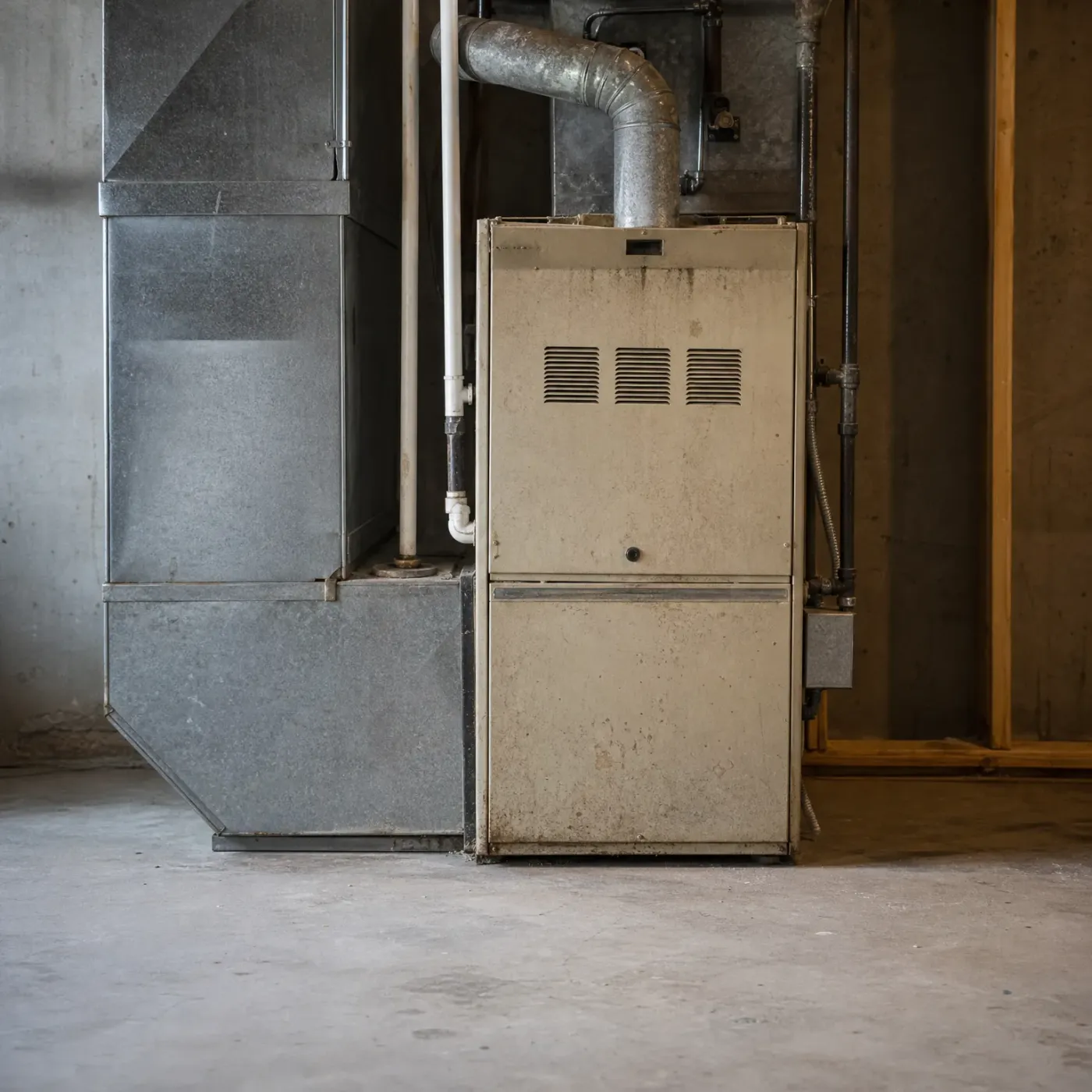
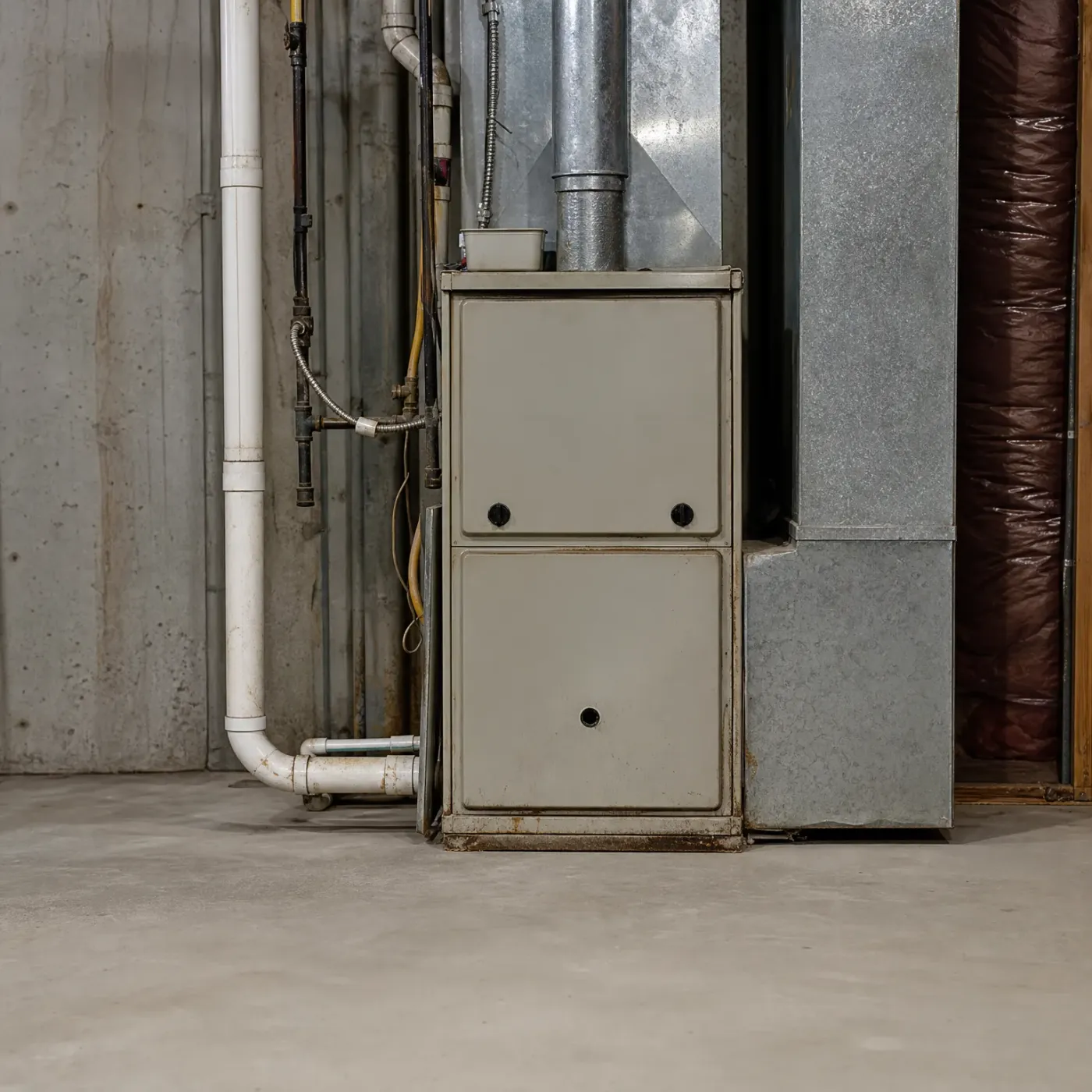
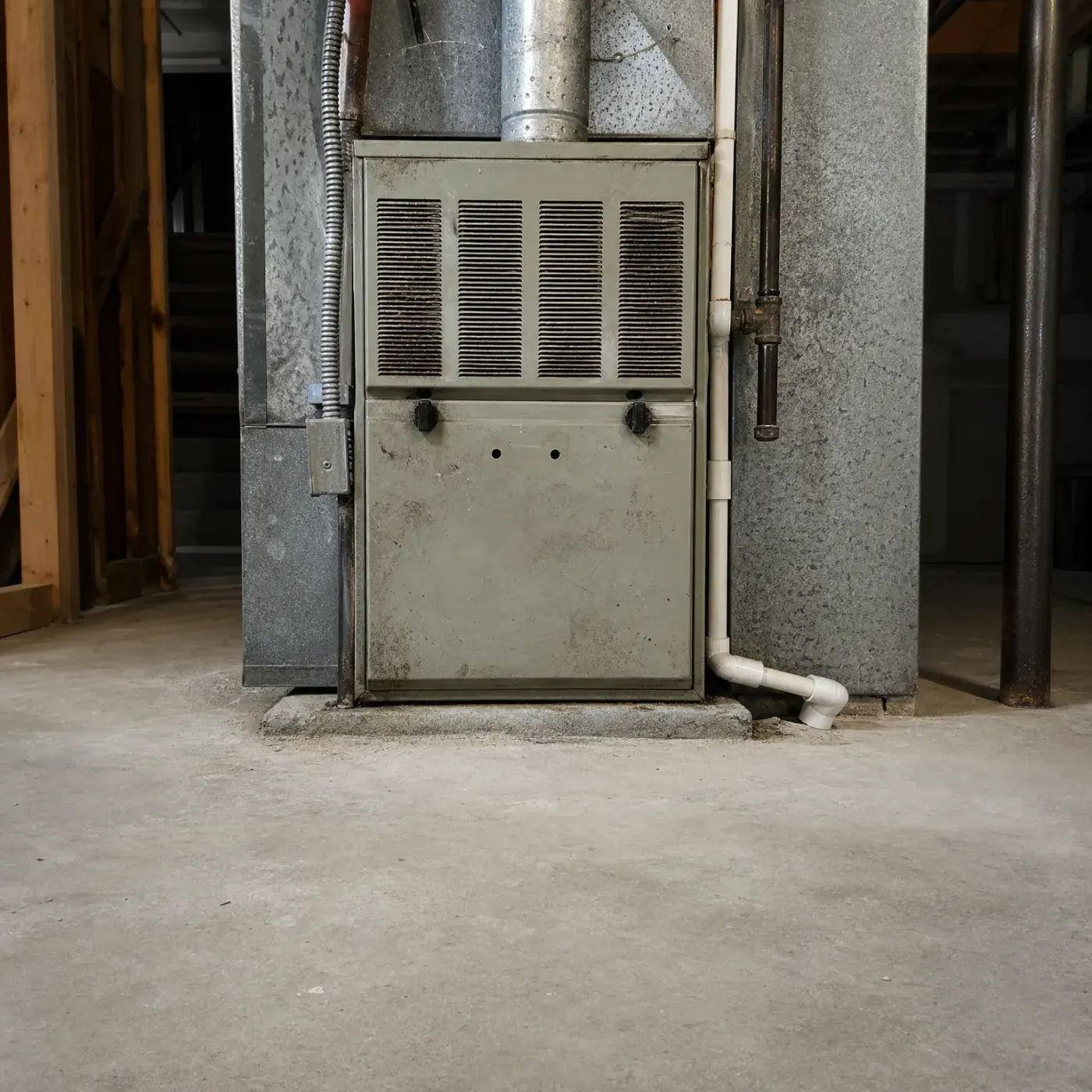
This furnace vents through a metal flue into the block wall, a sign of an older unit working harder than it should. It may still hold your set temperature, but it's leaning on parts that wear out without warning.
At 27°F overnight, your furnace is doing real work, not idling. Whatever number you land on, it has to hold through hours of cold air pulling heat out of the house, which is exactly where a clogged filter or a weak igniter shows up first.
NOAA nClimDiv 1991-2020 county normals weighted by homes
68 to 70 while you're home, a few degrees lower at night and when the house is empty, that's the number that holds up through a Maryland winter without running your electric bill higher than it needs to be. A furnace that's been looked at will hold that number through a cold snap without you thinking about it twice. One that hasn't might start slipping, a degree here, a degree there, until you're bumping the thermostat up just to feel right, and that costs more than the maintenance would have. If you've been meaning to get it checked but keep putting it off because you don't know who to call, or you don't want to spend an afternoon on the phone getting quotes and explaining the same thing three times over, that's the part that doesn't have to fall on you. You can get matched with a contractor who handles this kind of work and let them reach out to you instead. The number on the thermostat is the easy part. Making sure the furnace behind it can hold that number all winter is the rest of it.

Skip calling around to set up a furnace tune-up.
No fee to send it, and nothing to sign.