



Profile view of a bearded man wearing a dark baseball cap and a dark gray T-shirt against a plain off-white background.

Why one room stays cold in a Maryland winter

Step 1 of 3: Equipment

One room stays cold because it isn't getting the heat the rest of the house is getting. Most Maryland homes heat with electric furnaces, and the far end of the duct system often loses the most warm air before it ever reaches the vent. A duct run that's crimped, disconnected, or just too long for the blower to push air through will starve one room while the rest of the house feels fine. It can also be a closed or blocked vent, a return that's too far from that room, or a thermostat reading the temperature somewhere else in the house entirely. Sometimes it's simpler: a failing blower motor or a clogged filter cuts airflow everywhere, but the farthest room shows it first. Whatever the cause, it's not something that fixes itself, and it's worth having someone look at the ductwork and the furnace itself rather than just closing the vent and living with it.

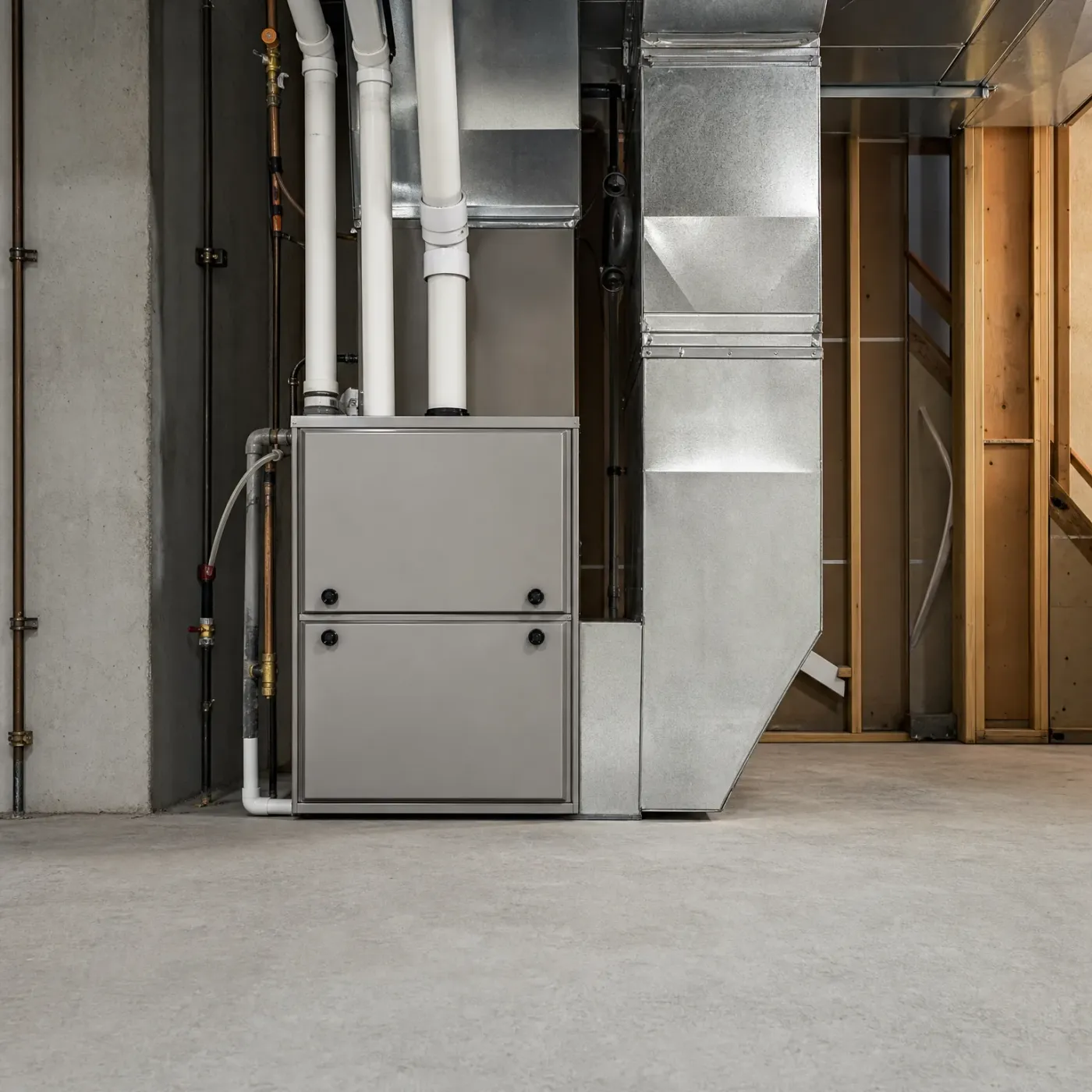
A gray high-efficiency furnace stands on a concrete basement floor beside galvanized sheet-metal ductwork, white PVC vent pipes, copper and black piping, and unfinished wood stud framing.
The furnace is running fine, but the duct run to that one room is the weak point in an otherwise even heating system.
A gray furnace with two access panels stands on a concrete basement floor beside sheet-metal ductwork, with pipes, flexible conduit and an electrical box on the concrete wall to the left.
When the furnace itself is struggling, a cold room is one symptom among several the rest of the house will start to show.

Why That Duct Run Loses Heat

  • Electric furnaces push heat through a blower and a fixed duct layout, so the room at the far end of the run always gets the last and weakest air.
  • A damper partway closed in a branch line will starve one room on purpose or by accident, and most people never check it.
  • Every elbow and joint in a duct run slows the air down a little, so a room fed by a long, bent run loses more heat than one near the furnace.
  • A return vent that's blocked or missing in that room means the air has nowhere to cycle back to, so the furnace never pulls more heat toward it.
  • Rooms over a garage or at a corner of the house lose heat to the outside faster than the duct can replace it, even when the duct itself is fine.
  • A duct that's come loose at a joint can leak warm air into the attic or crawlspace before it ever reaches the vent in that room.

An electric furnace pushes heated air out through one blower and a fixed set of ducts, and every room on that system is fed in turn. The room farthest from the furnace, or stuck behind the most elbows, gets whatever heat is left after the closer rooms have already taken their share. That's not a flaw in the equipment. It's how a branched duct system behaves, and it shows up worse in winter when the air has to work harder to hold its heat over distance.

A few things make one room lose more than its neighbors. A damper in the branch line, often just a lever on the side of the duct, can be partly closed from a job done years ago and never reopened. Long runs with several bends slow the air and cool it before it reaches the vent. If the room's return vent is blocked by furniture or missing altogether, there's no path pulling air back to the furnace, so it never calls for more heat toward that room. A duct joint that's worked loose can leak warm air into the attic or crawlspace instead of the room it was meant for. Rooms over a garage or on a corner of the house also sit against more cold surface than an interior room, so even a duct that's moving plenty of air can't keep up.

Most of this can be checked and fixed without touching the furnace at all.

A smiling woman with dark shoulder-length hair in a cream V-neck sweater sits at a marble counter with a glass of red wine, with a kitchen and softly lit living room behind her.
A woman in a dark green sweater laughs while seated at a marble kitchen island with a glass of red wine, with open shelving, cabinets and a living room visible behind her.
A woman with long dark hair in a cream knit sweater laughs while looking off to the side, seated at a counter with a glass of red wine, in a dimly lit living room with a sofa, lamp, framed pictures and houseplant behind her.
A smiling woman with long dark hair in a beige sweater sits at a marble kitchen counter with a glass of red wine, with a dimly lit living room behind her.

Check the vent and the room itself first

Shut doors cut off a room's return path, so the warm air has nowhere to go but back down the duct it came from. A vent blocked by a rug, a couch, or furniture pushed against the wall does the same thing from the other side. Before any duct work gets scheduled, open the door, pull furniture off the vent, and feel how much air is actually coming out compared to a vent in a room that heats fine. If the air coming out is weak everywhere upstairs, that points to the duct run instead.
Why the thermostat alone won't fix it

One thermostat reads one spot in the house, usually a hallway, and the furnace runs until that spot hits the set temperature. It has no way to know the back bedroom is still ten degrees cooler because the duct feeding it loses more heat along the way. Turning the thermostat up higher just makes the rest of the house warmer while that room stays behind by roughly the same gap. A room that's consistently cold at the same setting every winter is a duct or airflow problem, not a setting a homeowner can dial away.

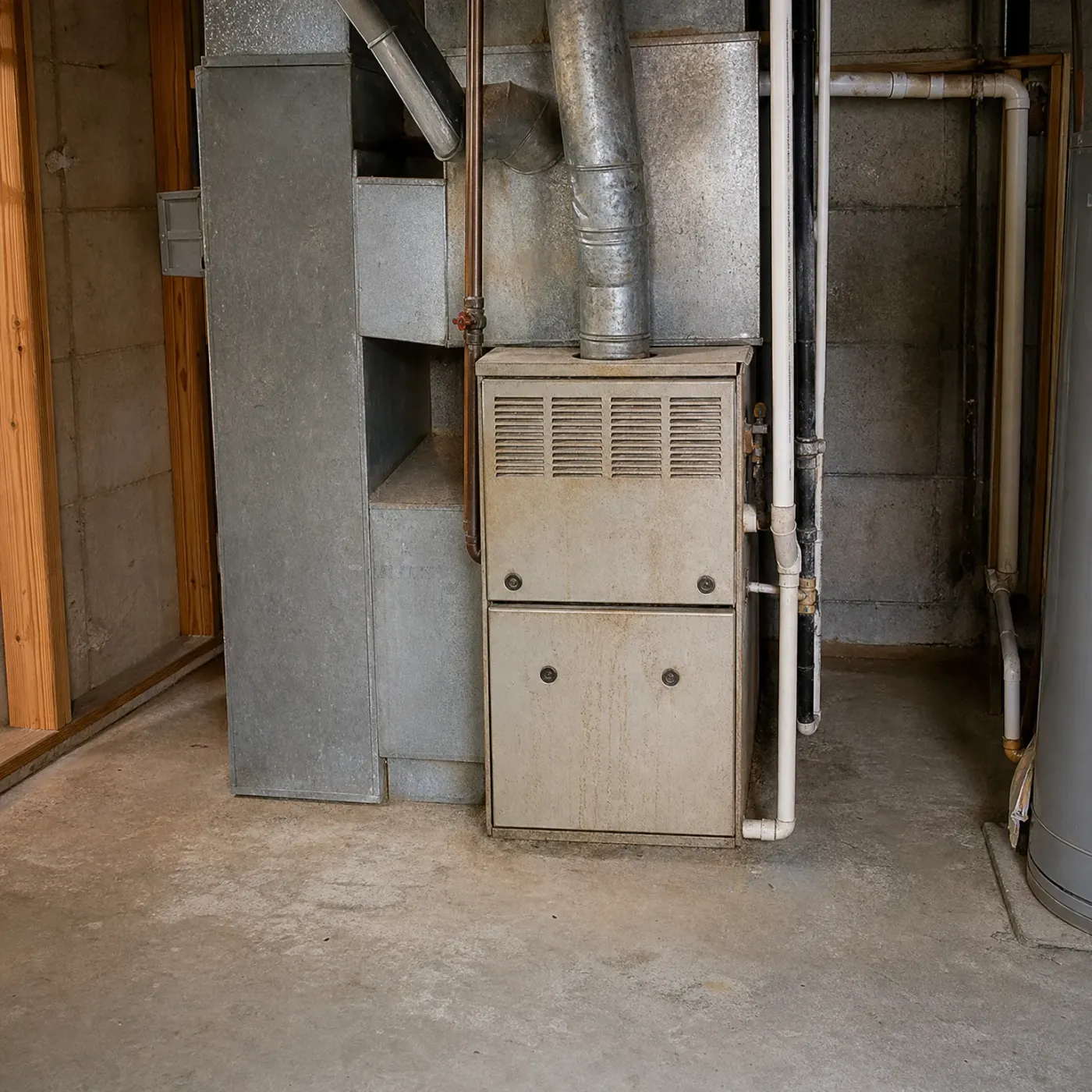
A beige gas furnace with a metal flue pipe stands in a basement against concrete block walls, beside sheet-metal ductwork, copper and white plastic pipes, and a water heater at right.
Before you get your furnace repair
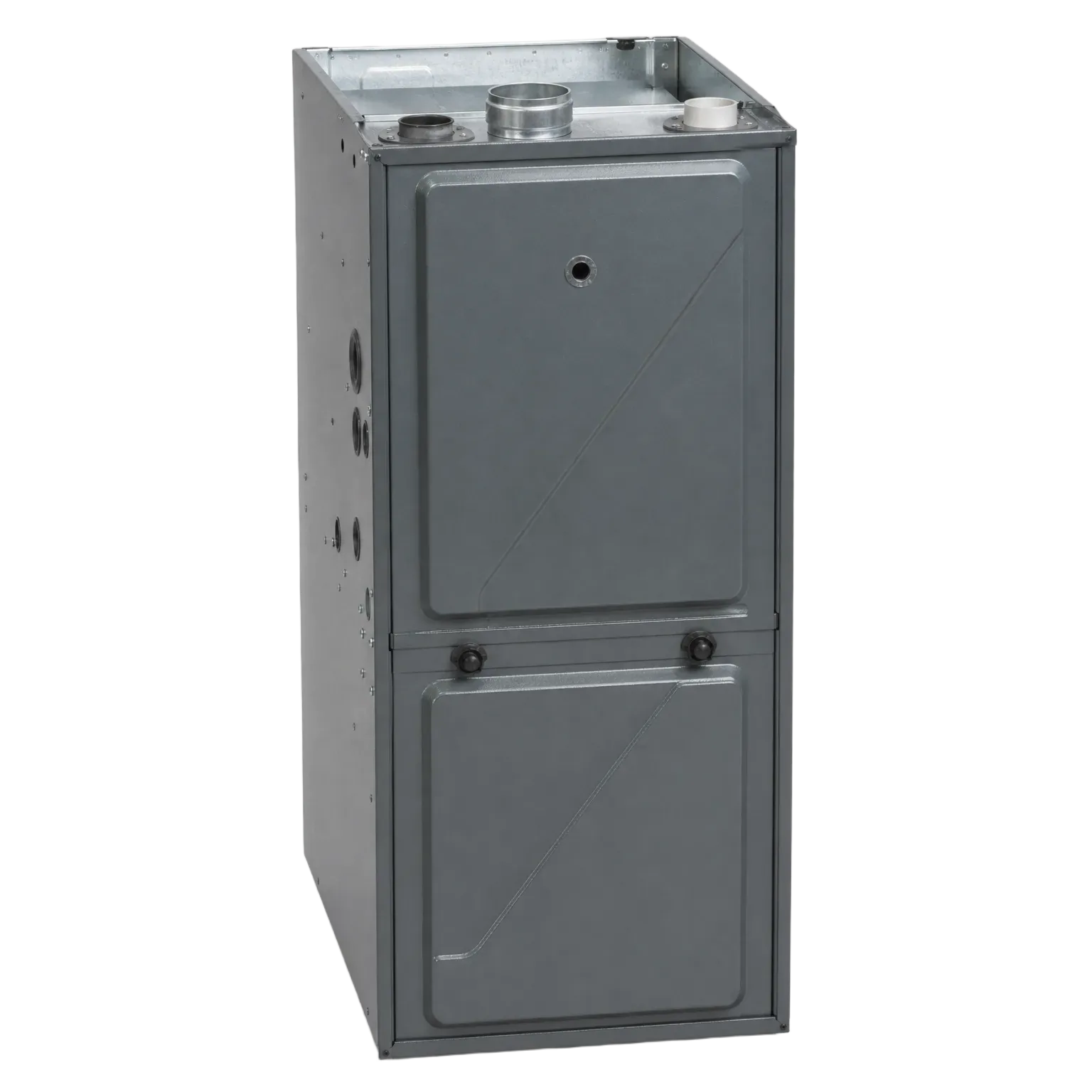
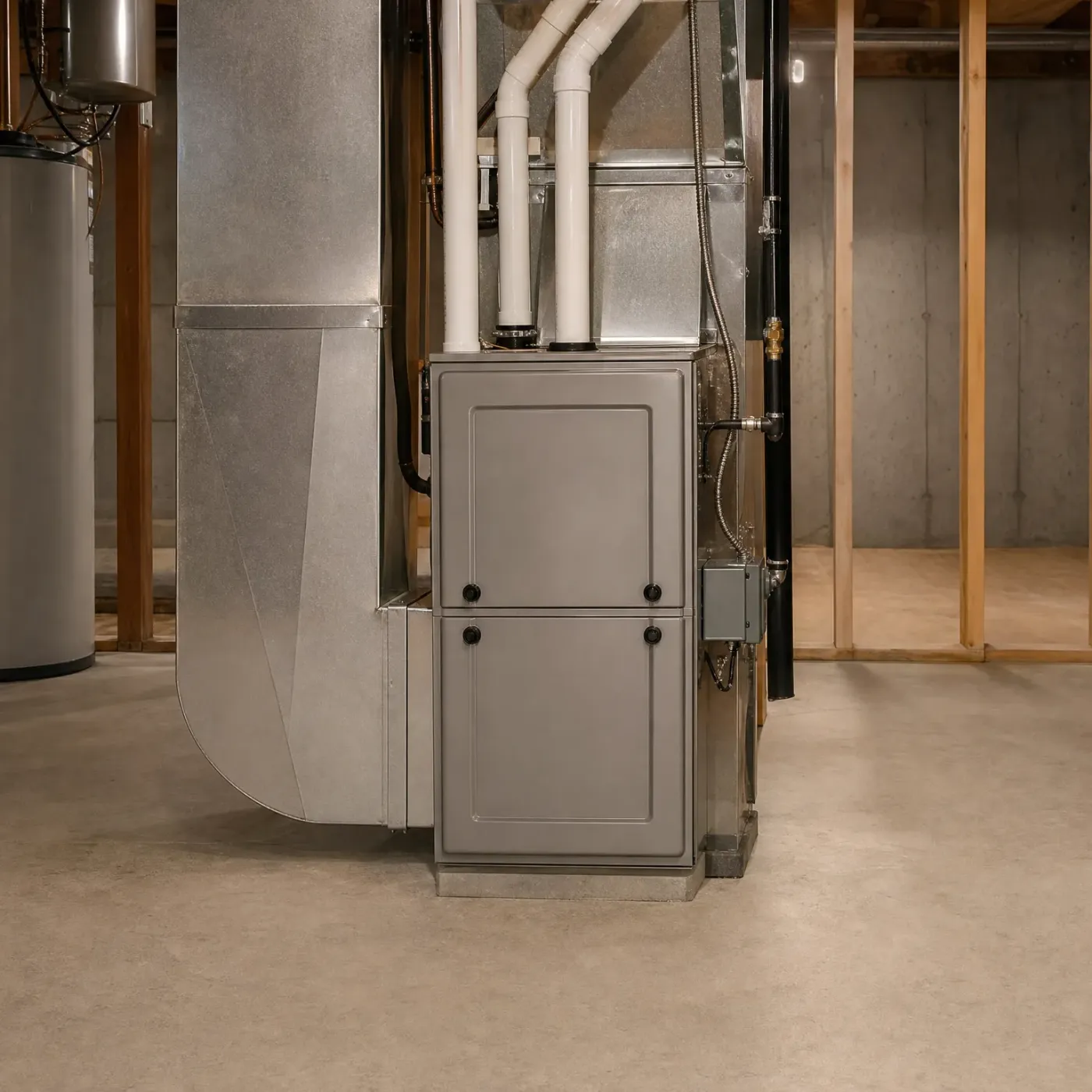
A gray high-efficiency furnace with white PVC vent pipes stands beside sheet-metal ductwork and a water heater in an unfinished basement with concrete walls and wood framing.
After you get your furnace repair

One cold room, left alone

That room stays shut off while the rest of the house runs warm, and the electric furnace keeps paying to heat air that never reaches it.

Get a licensed local pro

One call to a local contractor

Someone who works on Maryland furnace and duct setups all winter takes the one call, finds the weak run, and fixes what's starving that room.

Get a licensed local pro

Is it the duct or the furnace itself making this room cold?

You've got one cold room and you're trying to figure out if you're looking at a duct problem or a furnace problem before you call anyone. It matters because the fix is different, and you don't want to describe the wrong thing to a contractor or pay for a diagnosis you could've narrowed down yourself. The rest of the house heating fine is actually the clue that tells you most of what you need to know.

If the rest of the house is warm, it's almost always the duct, not the furnace

A furnace that's struggling doesn't usually pick one room to fail in. It runs longer, cycles more, or falls behind everywhere at once, because the blower and the heating element serve the whole duct system, not one branch of it. So if every other room holds its temperature and just the one stays cold, the air is being lost or blocked somewhere between the furnace and that vent. That could be a crimped or disconnected run, a closed damper, or a duct that passes through an unheated space like an attic or crawlspace and gives up its heat before it arrives. The furnace is doing its job. The duct run feeding that room isn't getting the air there.

  1. Air leaves the furnace through the blower into the main trunk line.

  2. The trunk splits into branch ducts that feed each room.

  3. The branch run to the cold room carries less pressure the farther it travels.

  4. Any crimp, kink, or partly closed damper cuts that pressure again.

A bearded man in a dark navy sweater over a collared shirt smiles and looks off to the side while seated at a dinner table with a glass of red wine, a lit candle, and a plate of food in the foreground of a dimly lit room.
A woman in a dark gray sweater reclines on a couch with her eyes closed and a knit blanket over her lap, an open book resting face-down in front of her, with a lit table lamp and shelving blurred in the background.

Explain it one time

Your request stays with one local pro.

You're not committing to anything by asking.

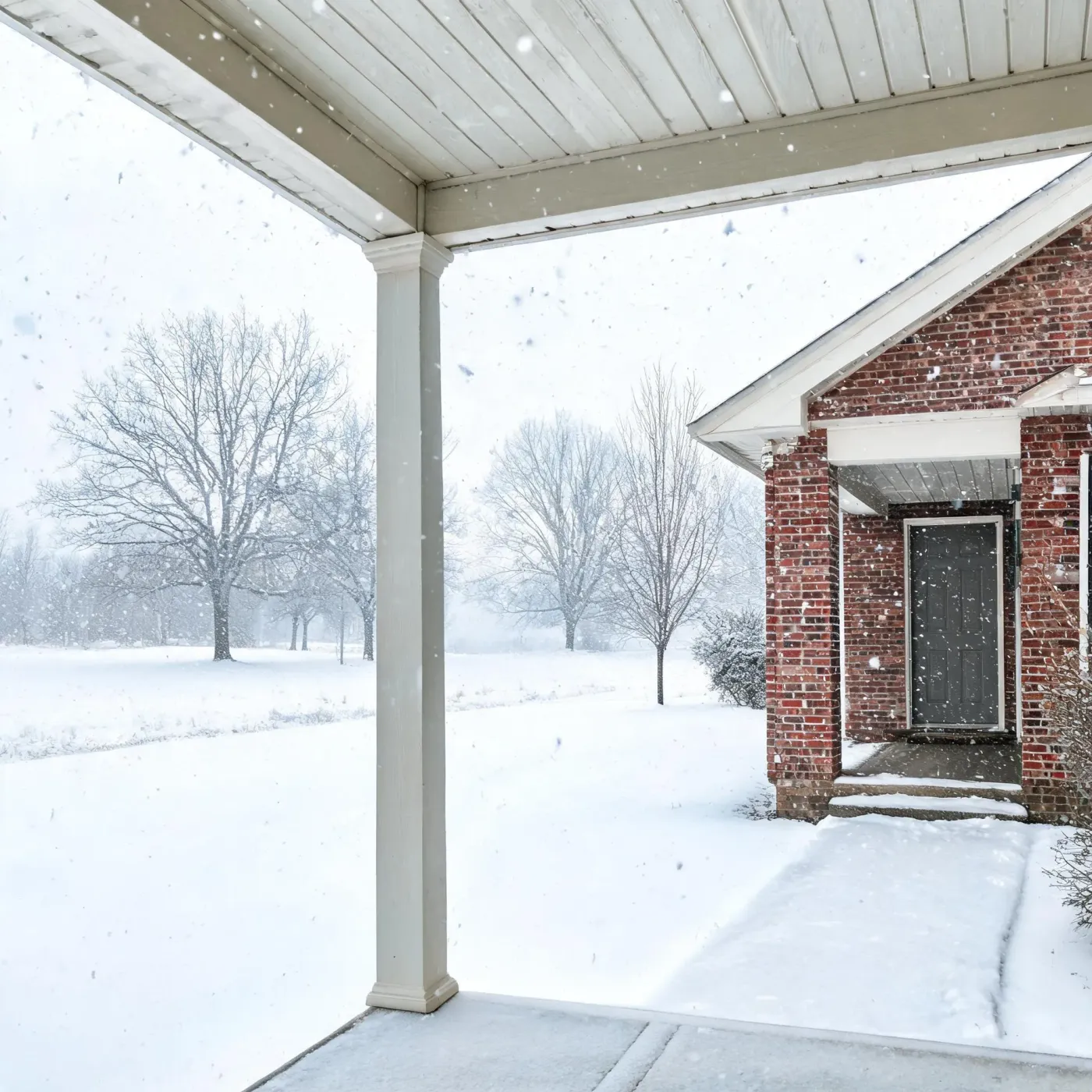
View from under a covered porch with a white column toward a red brick house with a dark door, with falling snow, snow-covered ground and bare trees in the background.

Statewide, winter nights average 27°F, according to NOAA climate data. At that temperature, your electric furnace runs long stretches just to hold the house steady, and every one of those hours it's pushing air down a duct run that already loses heat before it reaches that one room. The rest of the house feels the difference less because the air has less distance to travel. That back bedroom or far-end room is getting air that's cooled off along the way, and on the coldest nights that gap is what you feel when you walk in and reach for a blanket instead of the thermostat.

NOAA nClimDiv 1991-2020 county normals weighted by homes

Fix the Duct, or Live With the Cold Room

Fix the duct run

  • A local contractor can seal a crimped or disconnected section so that room gets its share of the air the furnace is already paying to heat.
  • A damper that's stuck or partly closed gets opened or replaced, and the fix holds instead of needing adjustment every few weeks.
  • Once the run is sealed or cleared, the furnace doesn't have to run as long to keep that one room at the same temperature as the rest of the house.
  • A contractor who works on Maryland duct systems all winter can usually tell within a few minutes whether the problem is the run or something upstream.
  • This is a one-time repair to a fixed part of the house, not something you'll be checking on again each season.

Leave it as is

  • The room stays shut off from the rest of the house, and you keep closing the door on it rather than fixing why it's cold.
  • The electric furnace keeps running the same long stretches, pushing air down a duct run that was already losing heat before it got there.
  • You're paying to heat air that never reaches the room you wanted it in, every night the temperature drops.
  • A space heater covers the gap night to night, but it's a separate appliance running on top of a furnace that's already working to heat that space.
  • Nothing about the duct run changes on its own, so the room that's cold tonight is cold again tomorrow and next month.
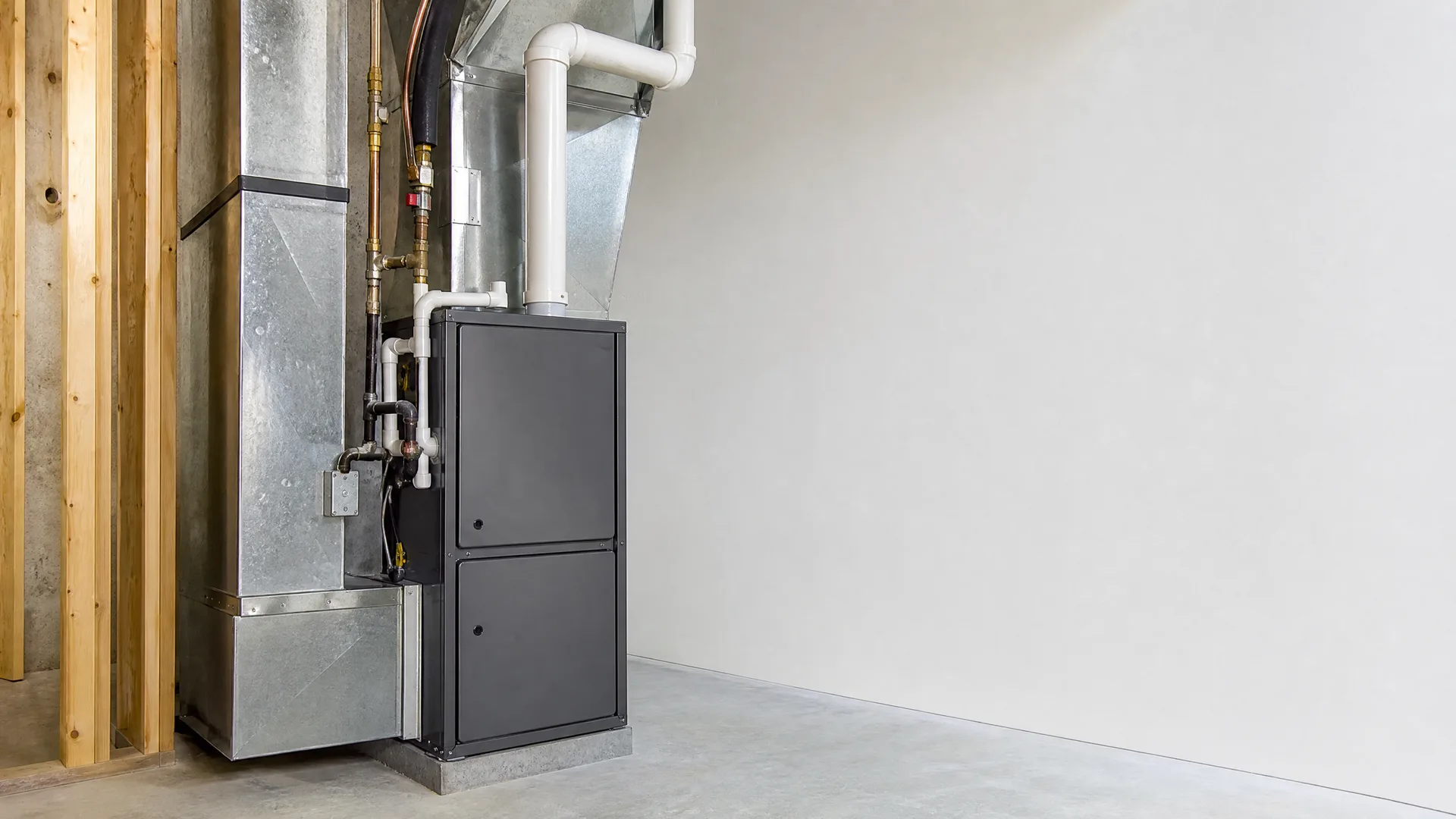
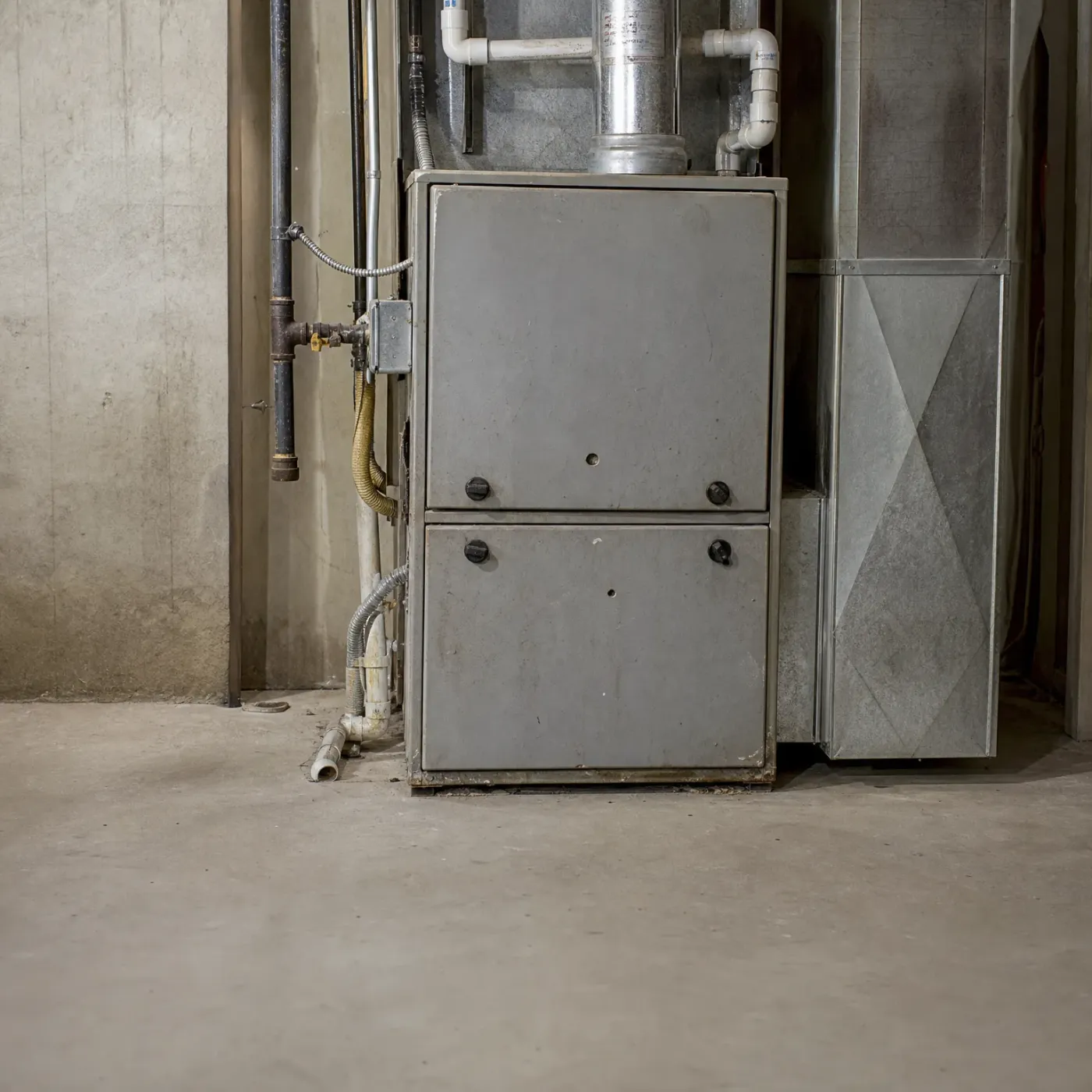
A dark gray furnace connected to galvanized sheet-metal ductwork, white PVC vent pipes and copper piping, standing against a plain light wall in a room with a bare concrete floor and exposed wood framing at left.

Living with the cold room

You close the door and run a space heater, and the electric bill goes up while the room still doesn't feel right. Maybe you've stopped using it in January and February altogether, or you've moved a desk out of there because nobody wants to sit that close to the vent. You still have to track down a contractor, explain the layout of the house, and wait on a call back, all before anyone looks at the duct.

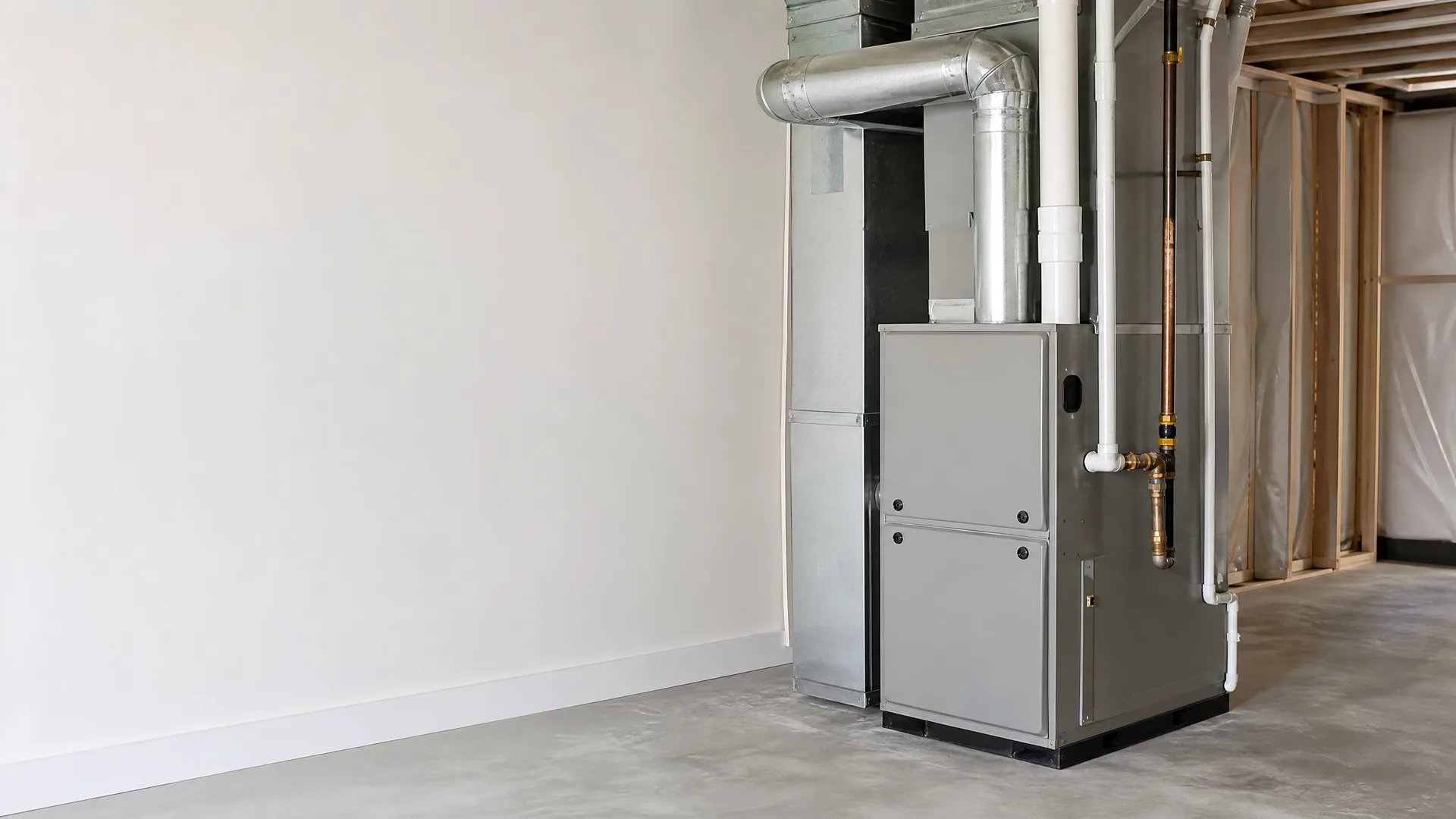
A gray high-efficiency furnace with sheet-metal ductwork, white PVC vent pipes and copper piping stands against a wall in an unfinished basement with a concrete floor and insulated wood stud framing at right.

Getting it looked at

A local contractor who works on Maryland duct systems all winter knows where a long branch run tends to lose pressure and what a crimped section looks like before opening a wall. You explain it once. One contractor comes out, checks the run to that room, and tells you whether it's a duct fix or something with the furnace itself. No comparing quotes from three different companies, no repeating the same story on four calls.

Winter nights average 27°F statewide

At 27°F overnight, your furnace can't just cycle on for a few minutes and stop. It runs long enough to push warm air the full length of every duct in the house, and the branch feeding that cold room is already the weakest link before the night even gets that cold.

NOAA nClimDiv 1991-2020 county normals weighted by homes

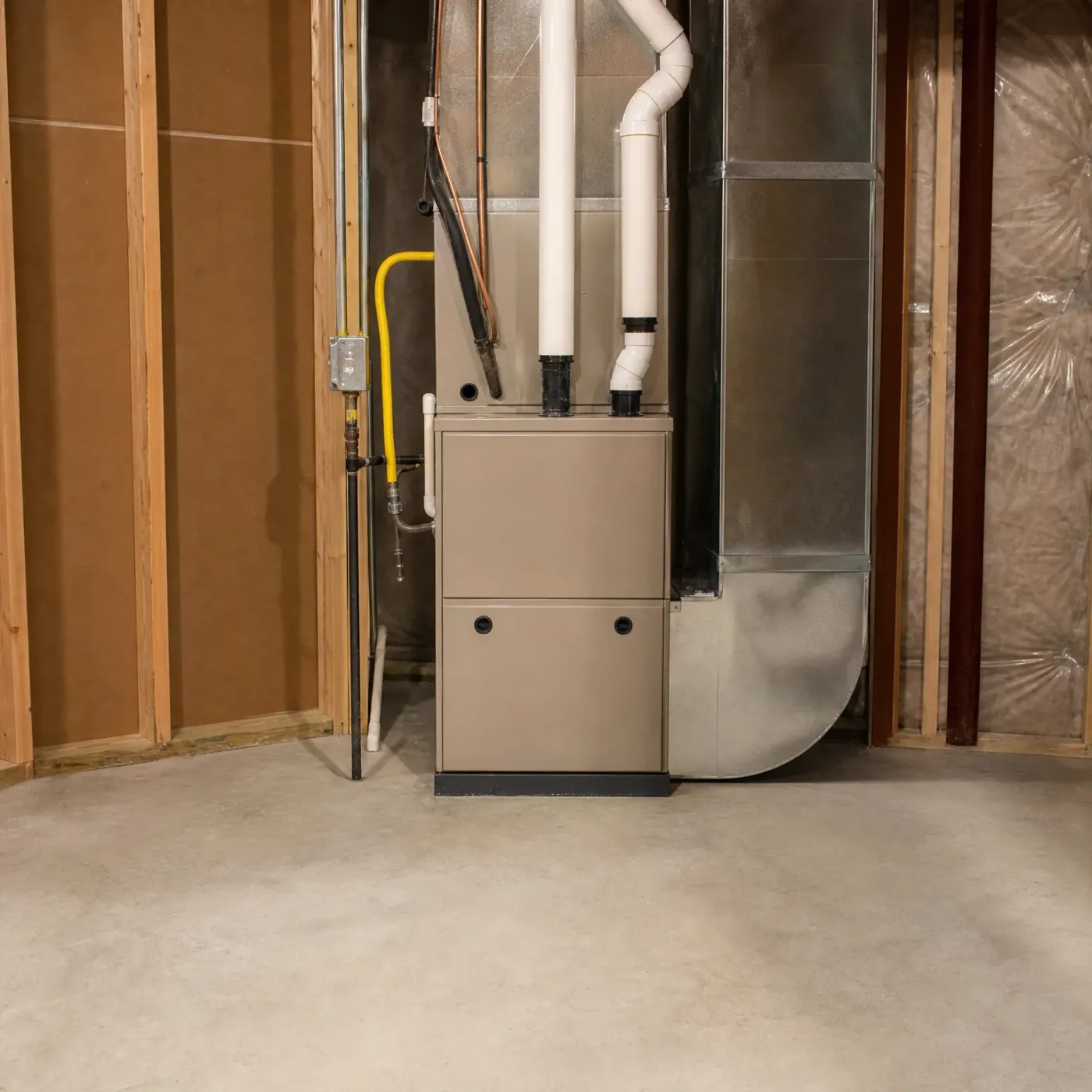
A beige high-efficiency furnace in an unfinished basement, with white PVC vent pipes, a yellow gas line, metal ductwork, and exposed wood framing on a concrete floor.

Furnace and ducts working together

This is what even heat looks like. The furnace ties into sheet-metal trunk lines, and PVC pipes vent exhaust and drain condensate without strain. Gas and electric lines are routed clean along the wall. Every branch duct gets a fair share of the air this furnace is paying to heat, including the one that reaches your cold room.

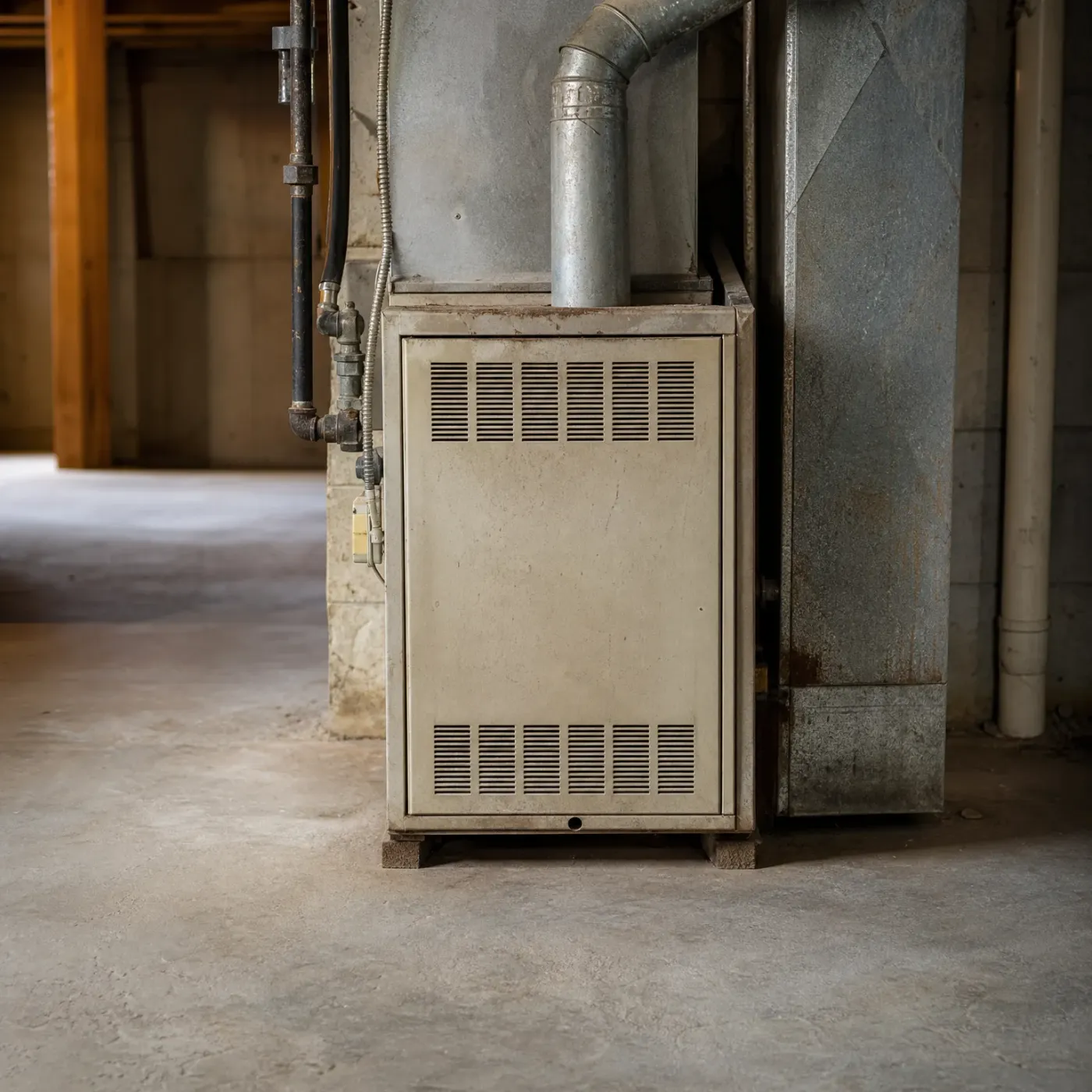
An older beige furnace with two louvered vent panels stands on a concrete basement floor, connected to galvanized ductwork and a metal flue pipe, with gas piping and flexible conduit on the wall behind.

A setup already working against you

Iron gas pipe, flex conduit, a galvanized flue pipe feeding into oversized sheet metal overhead. Nothing here is necessarily broken, but an older furnace with a layout like this gives you less to work with. A crimped or sagging branch line off this kind of trunk is an easy place for heat to get lost before it reaches your room.

A closed dark laptop and a ceramic mug of coffee on a wooden dining table, with wooden chairs, a dark kitchen cabinet with cutting boards and a potted plant, and a leafy plant by a window in the background.

One cold room, one answer

The room is cold because the duct feeding it isn't delivering what the furnace is already paying to produce. A crimped run, a stuck damper, a disconnected joint. Something along that branch is losing the air before it reaches the vent. That's a duct problem, not a furnace problem, and it doesn't fix itself over a winter or ten.

Finding someone to look at it is usually its own chore: searching around, calling a few companies, explaining the same cold room three different times, then sitting with quotes that don't quite match because each contractor saw something different. This connects you with one licensed Maryland contractor who works on furnace and duct setups like yours all season, so you're explaining it once, to someone who already knows what a duct run losing pressure looks like from the vent side. You're not fielding calls from four companies trying to win the job. You're waiting on one, from someone who'll actually be the one to fix it.

Interior corner of a dining room with a round wooden table, a ceramic vase holding olive branches, a dark spindle-back chair near a curtained window, and a sideboard with a lamp against beige walls.
A covered porch with a wood front door with six upper glass panes, a lantern wall sconce, tapered column on a stone base, potted ferns and flowers, a woven doormat, and wide steps leading to a paver walkway bordered by shrubs and white hydrangeas.
A beige upholstered sofa with a cream cushion and chunky knit throw sits beside a white-framed window, with a leafy potted plant in a stone vase against a tan wall.
Sunlit corner of a room with a linen curtain beside a window, built-in shelves holding ceramic vases, wooden bowls, a potted green plant, stacked books and a woven basket, above a textured rug.
A dark wood three-drawer dresser against a pale wall holds a tall ceramic vase with leafy branches, stacked books and a shallow bowl, with a framed print above, a woven basket on the wood floor at left, and an upholstered sofa with a green pillow in the foreground.
A cream upholstered sofa with a textured ivory cushion and a rust-colored cushion sits beside a window with sheer linen curtains, with a potted leafy plant behind it and a wooden bowl on a wood table in the foreground.

Skip the calls to every shop

Your request goes to one pro, not a list of companies.

Fill out one form

It costs nothing to send, and you don't have to hire anyone.