Describe your furnace job, and a local pro who handles it gets in touch.
Cold air coming out of your vents when the furnace kicks on usually means one of a few things. The igniter could be failing, so the burners never light and the blower just pushes room-temperature air through the ducts. The thermostat fan setting might be stuck on "on" instead of "auto", which runs the blower nonstop whether or not there's heat behind it. A dirty flame sensor can also shut the burners down seconds after they start, so you get a burst of warm air then a long run of cold.
Most homes in Maryland heat with electricity, so a furnace running without actually heating doesn't just leave you cold. It runs up your bill fast, since you're paying for the blower motor to move air around all day without getting the warmth you're paying for.
Figuring out which of these it is takes someone who can open the furnace up and check the igniter, the sensor and the wiring in person. That's not something to diagnose from the thermostat.
Finding that person is usually the slow part. Looking up contractors who work on your type of furnace, calling a few, explaining the same thing about the cold air each time, waiting on callbacks, then sitting with quotes that don't line up with each other. That's the part this page shortens.
Tell us what's going on with your furnace and where you're located, and you'll be matched with a contractor who works on furnaces like yours in your part of Maryland. They'll reach out to you directly to look at scheduling a visit. No calling around, no repeating the same explanation to five different companies.
From there, use the button below.
Why is my furnace blowing cold air instead of heat?
Most homes in Maryland heat with electricity, and when the furnace fan is running but no warm air comes out, it feels like something is seriously wrong. Before you shut the whole system off, it helps to know what actually causes this. Some causes are minor, some aren't, but all of them mean the furnace is drawing power without doing the one job you need it to do.
Usually the igniter has failed or the heating element has gone out
When a furnace blows cold air, the blower motor is still working but nothing is heating the air before it leaves the vents. On an electric furnace, that almost always means a heating element has burned out, or a limit switch has tripped and shut the elements off to protect the system. On a gas furnace, a failed igniter is the common cause, since the burners never light and the fan keeps circulating air that never warmed up. Either way, the blower doesn't know to stop, so it keeps pushing air through your ducts whether or not it's actually heated. With electric heat costing what it does here, a furnace running this way for even a few hours adds up on the bill without warming a single room.
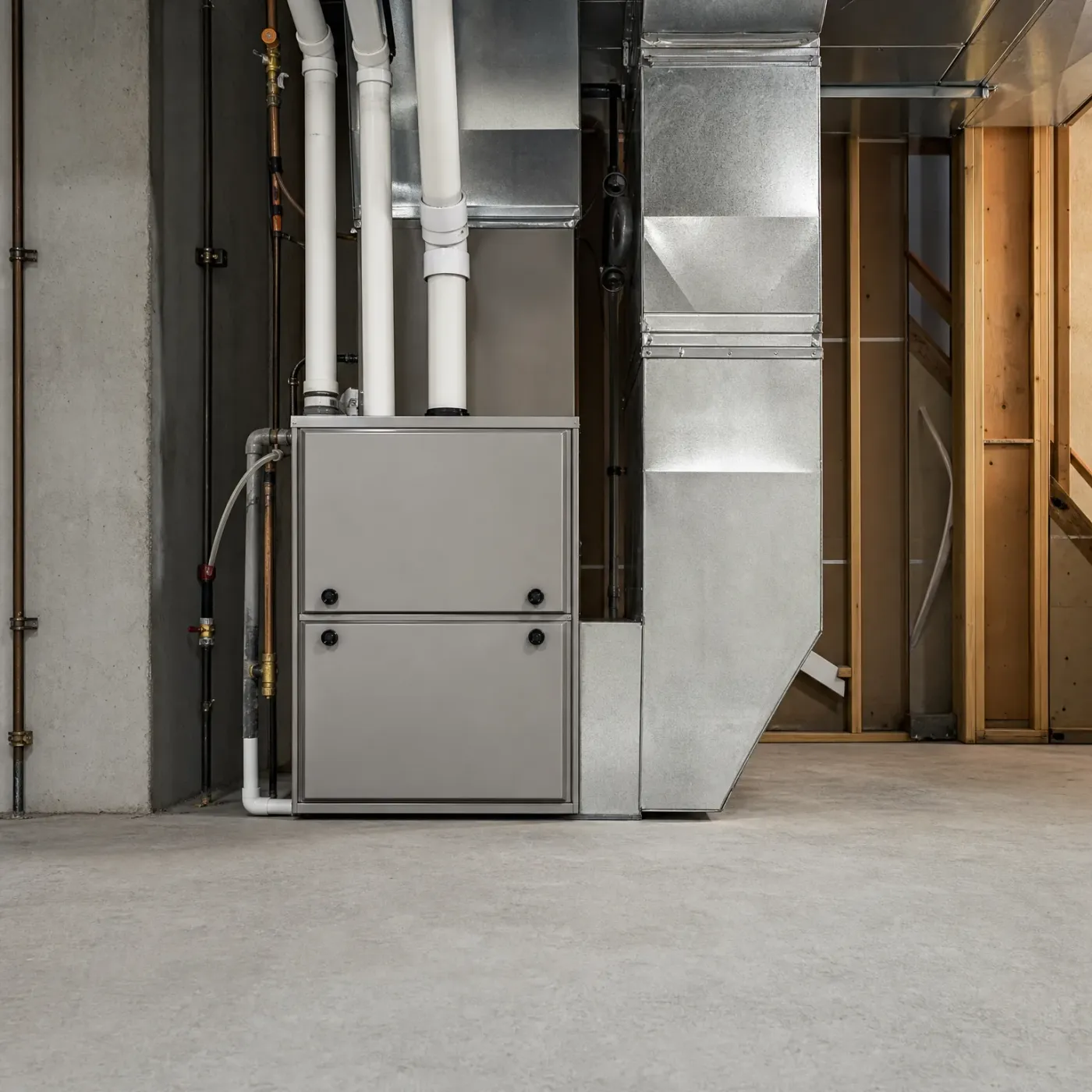
The furnace heating like it should
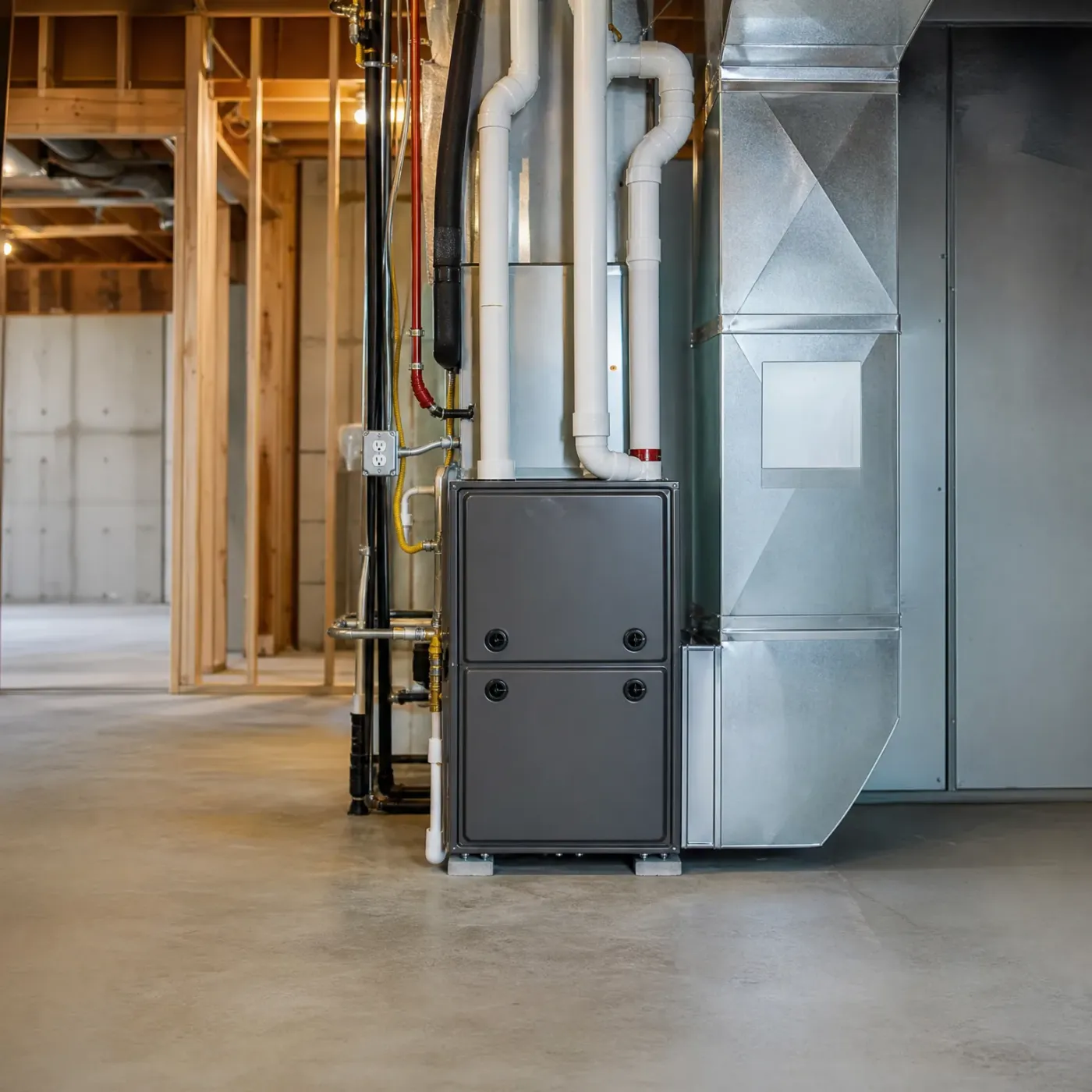
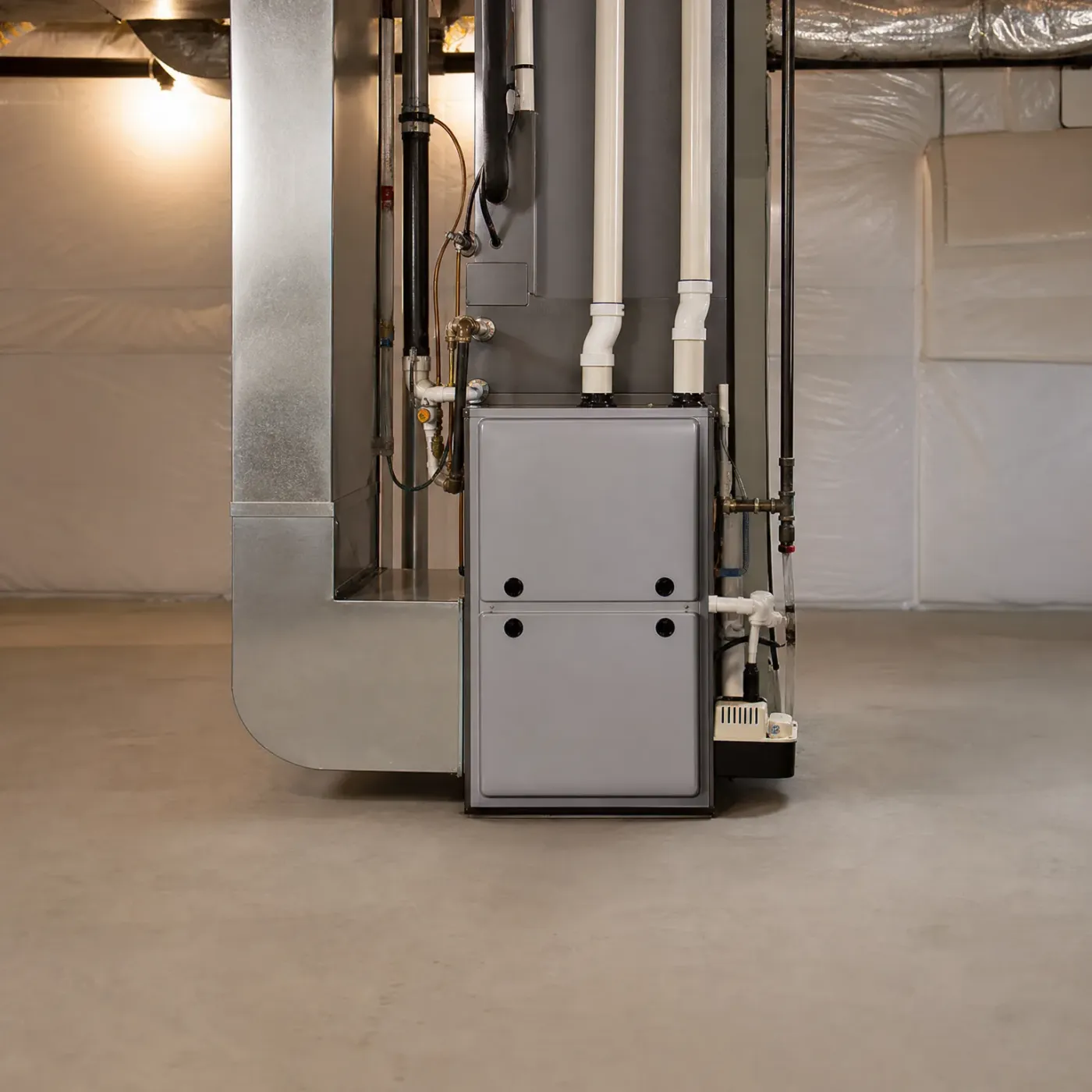
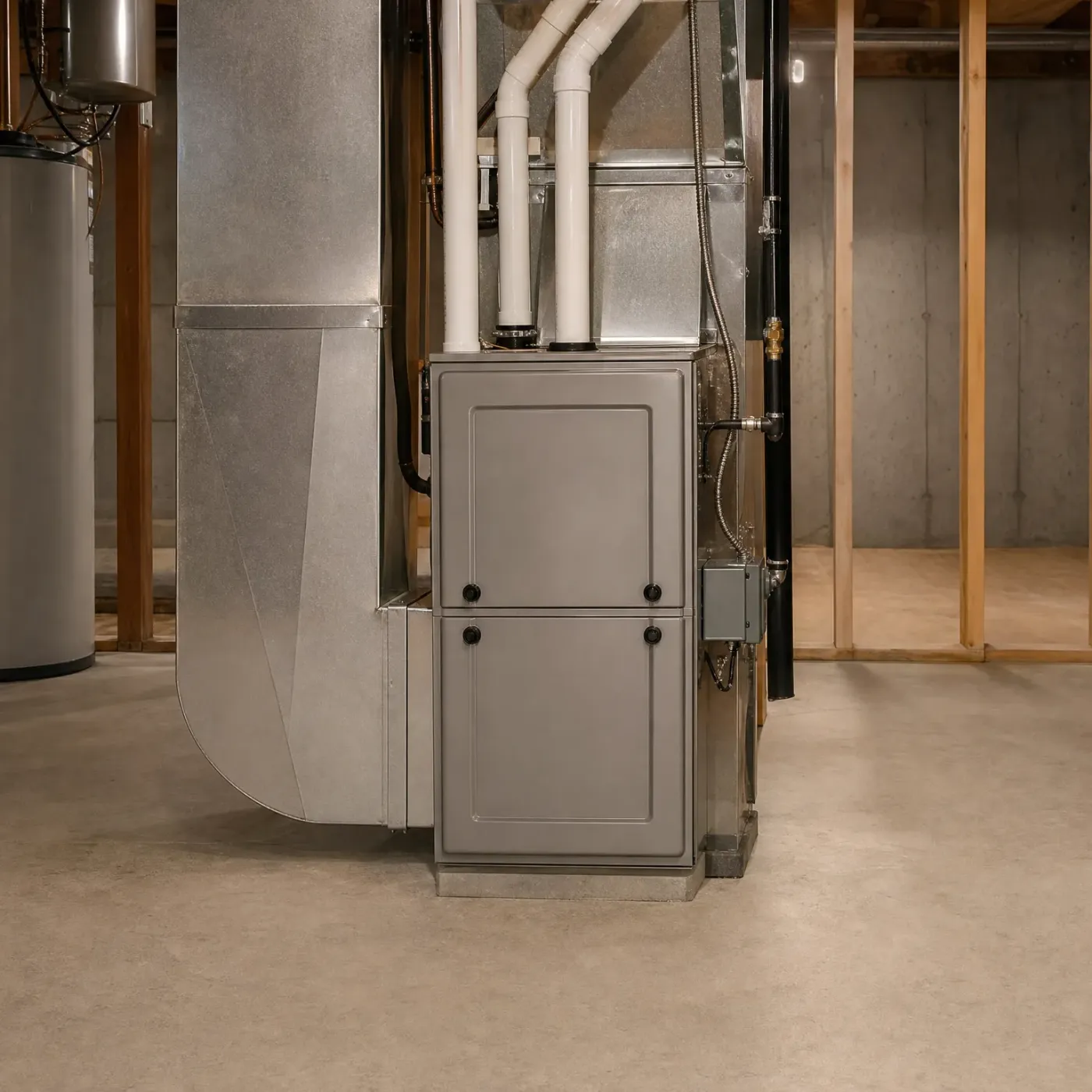
Burners light, the blower pushes warm air through the ducts, and the flue pipes vent exhaust outside. Gas line, electrical conduit, and plumbing all do their own job without crossing into the furnace's work. This is what's supposed to be running in your basement right now.
The furnace blowing cold air
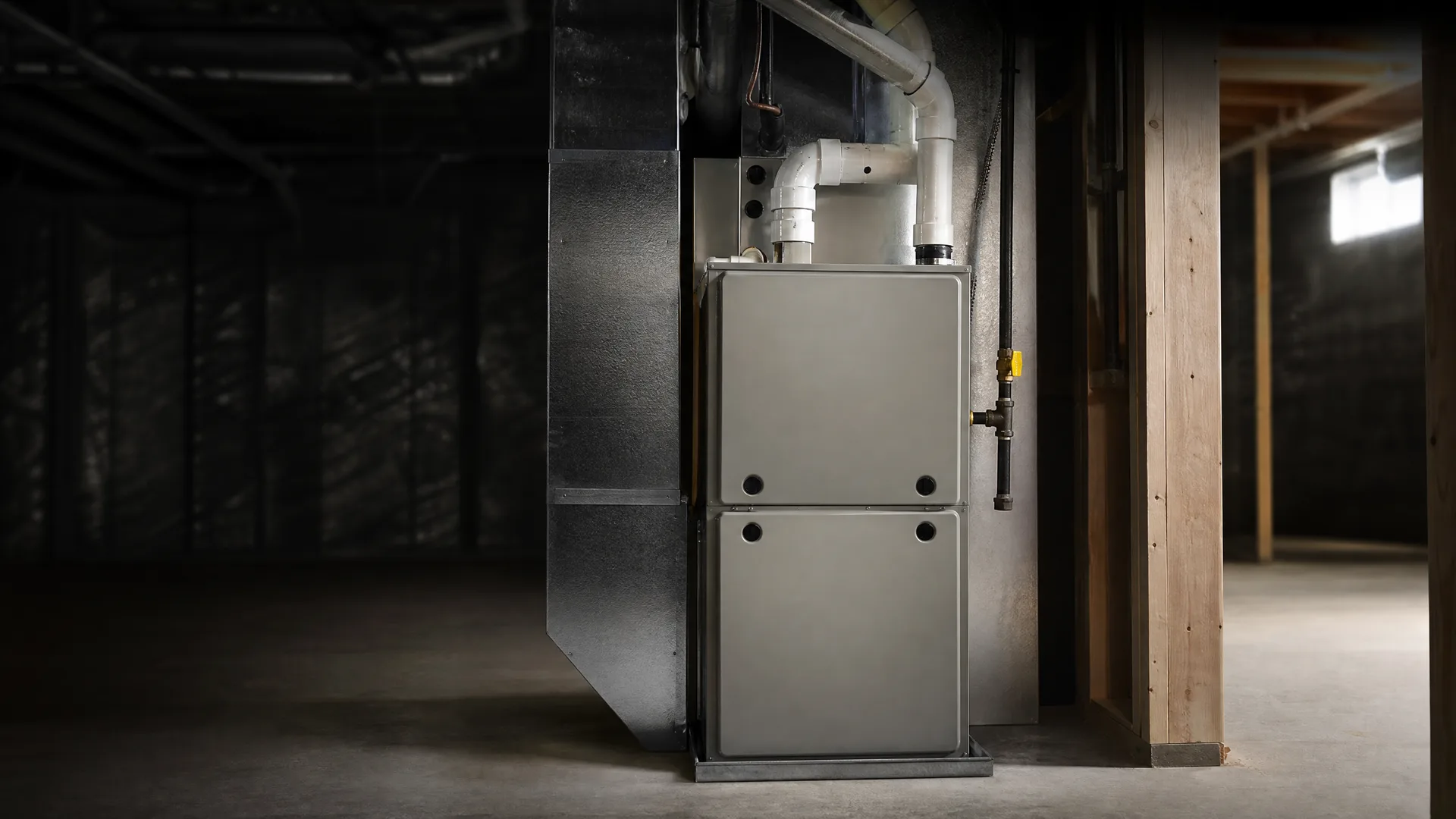
The blower runs but the air coming off the ductwork above is cold. Something upstream of the blower isn't doing its job, the igniter, the gas valve, or the flame sensor. The ducts and flue are only as good as what's feeding warm air into them.
Before you get your furnace repairAfter you get your furnace repair
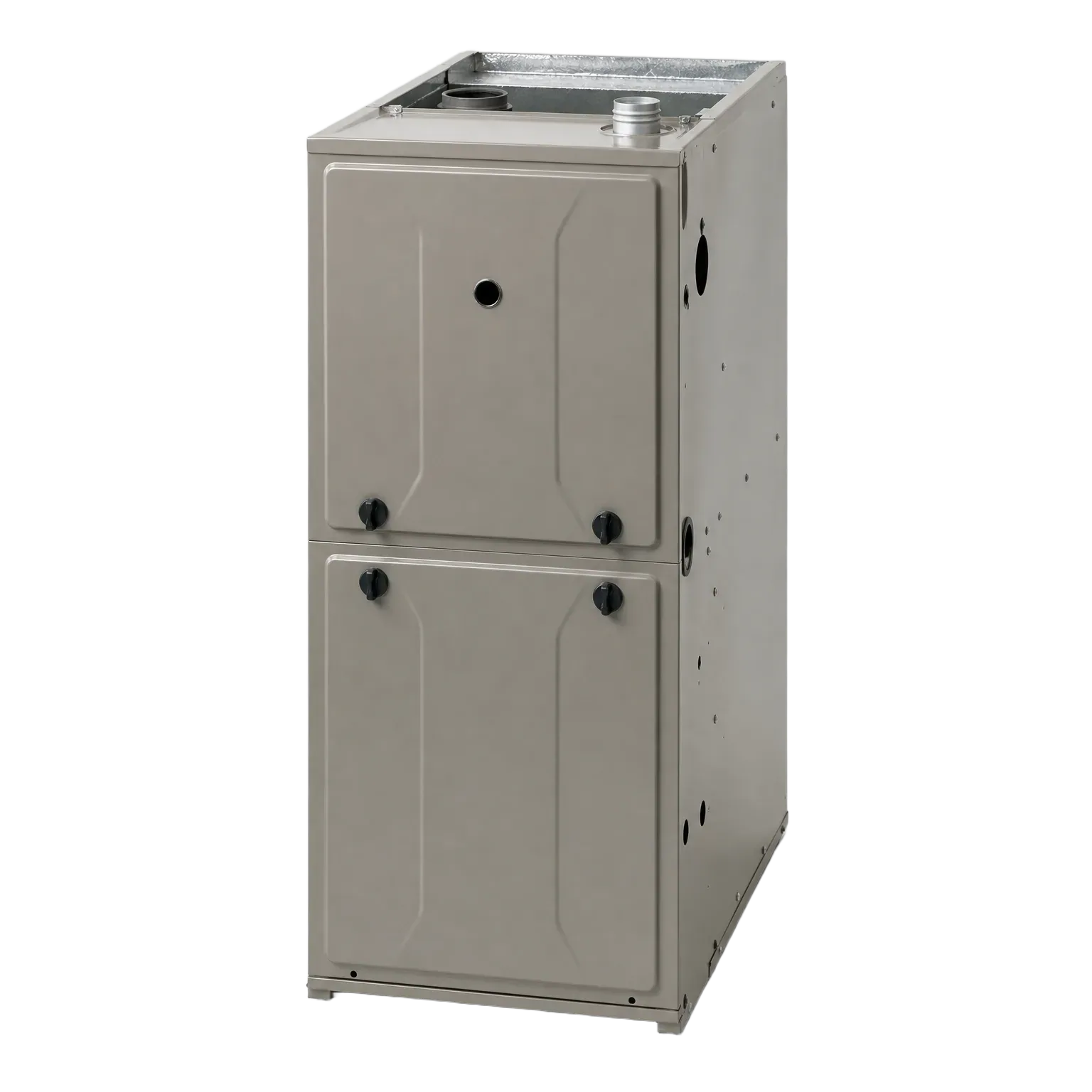
An electric furnace doesn't work like a gas one. There's no burner and no flame. Instead, air passes over a set of heating coils, and a sequencer brings those coils on one bank at a time so the system doesn't pull too much power at once. The blower pushes air across the coils and out through the ducts. When everything's working, that air comes out warm because the coils are hot by the time the blower moves air past them. When something's off, the timing breaks down. The blower can still run on its own circuit even if the coils never get power, whether that's a tripped breaker, a stuck sequencer, or a high-limit switch that cut out because airflow was restricted. With more than one coil bank, a single dead one might just mean the air feels lukewarm rather than cold, which gets blamed on the thermostat more often than the furnace. In every case, the fan doesn't know or care whether the coils are actually heating. It just keeps blowing.
How an electric furnace heats
An electric furnace heats with resistance coils, not a gas flame, so there's no igniter or flue to fail, but a tripped limit switch or a burnt-out coil leaves the blower running on cold air alone.
The sequencer is what brings the heating coils on one at a time instead of all at once, and if it sticks or fails, some or all of those coils never get power.
A blower motor that starts before the coils reach temperature, or keeps running after they shut off, will push several minutes of cool air through the ducts even when the furnace is working correctly.
Many electric furnaces have more than one coil bank, so a single failed coil can mean the air comes out lukewarm instead of fully cold, which is easy to mistake for a thermostat problem.
A high-limit switch trips when airflow is restricted, often by a clogged filter, and it will cut power to the coils to protect the furnace even while the fan keeps blowing.
The breaker for an electric furnace often has two or three separate switches, and if only one has tripped, the blower can still run while the coils sit dead.
The furnace fires and holds heat, with the burners staying lit long enough to warm the air before the blower moves it.
Here the igniter has already failed once, and the burners won't stay lit, so the blower runs on cold air alone.
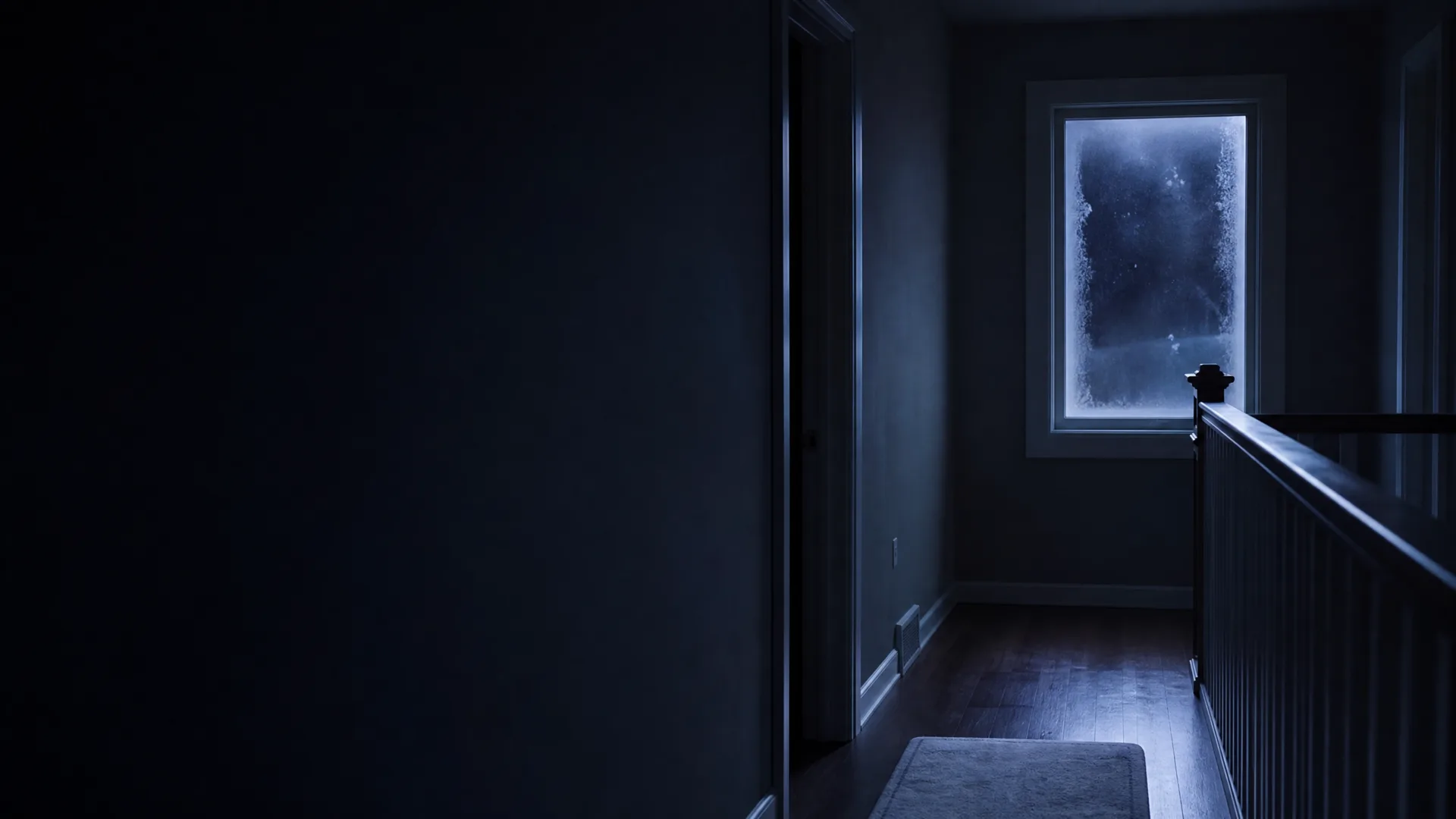
It's 2 a.m. and the house is quiet except for the blower. You woke up because your feet are cold on the hallway floor, the same floor that's usually warm by the time you check on the kids. The vent by the bathroom is running, you can feel the air moving if you hold your hand under it, but it isn't warm. Outside the hallway window, frost has crept up from the corners of the glass. Downstairs the thermostat reads a few degrees lower than you set it. You stand there in the cold air a moment, deciding whether this can wait until morning or whether you're calling someone before the sun's up.
Fill out one short form instead of calling around.
You only hire the pro if you want to.
Running clean
This is a furnace doing its job. Burners lit, blower pulling warm air through the ducts and out the vents, PVC pipes venting exhaust outside without any smell in the house. The water heater next to it runs on its own, and nothing's fighting for space or combustion air.
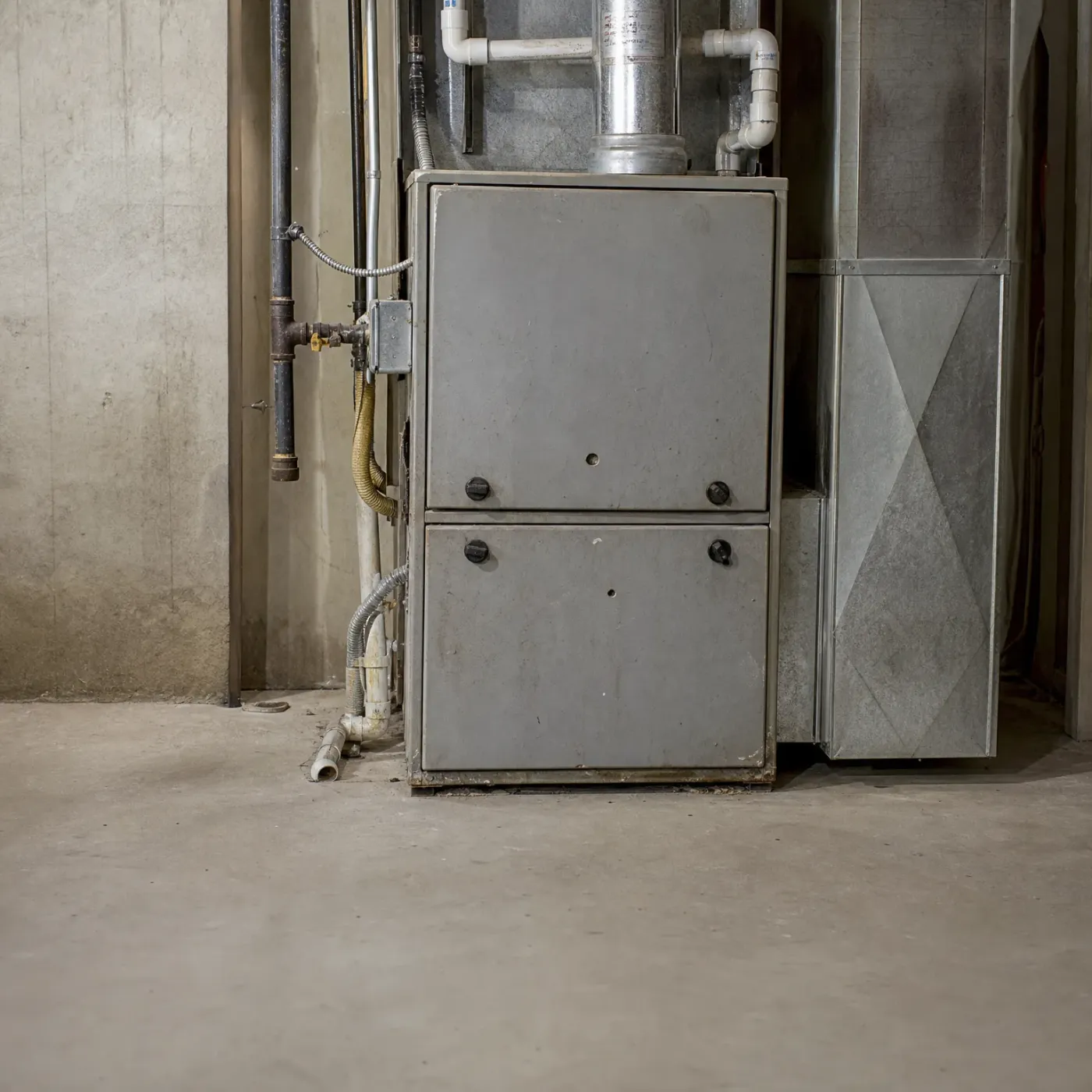
Older unit, more to watch
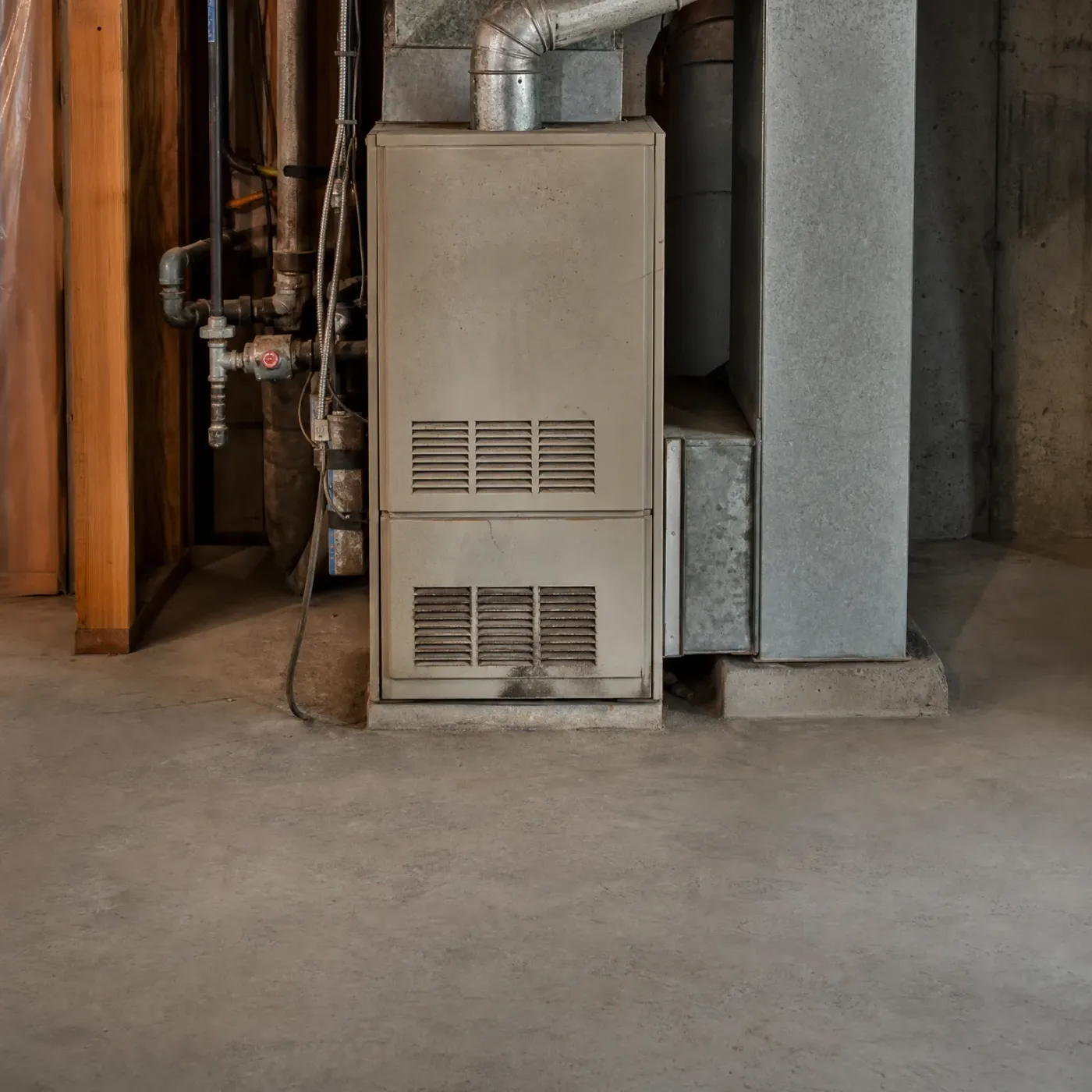
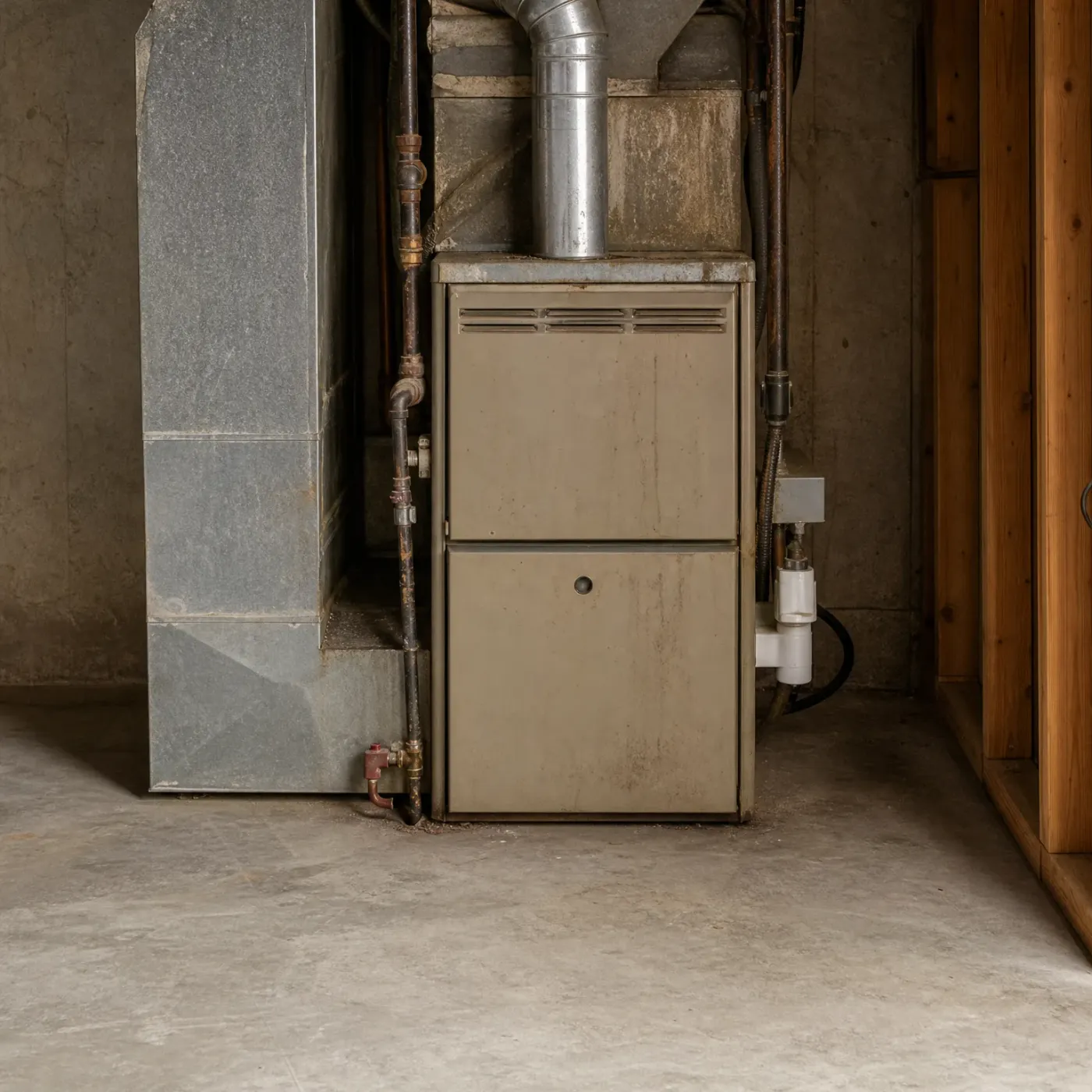
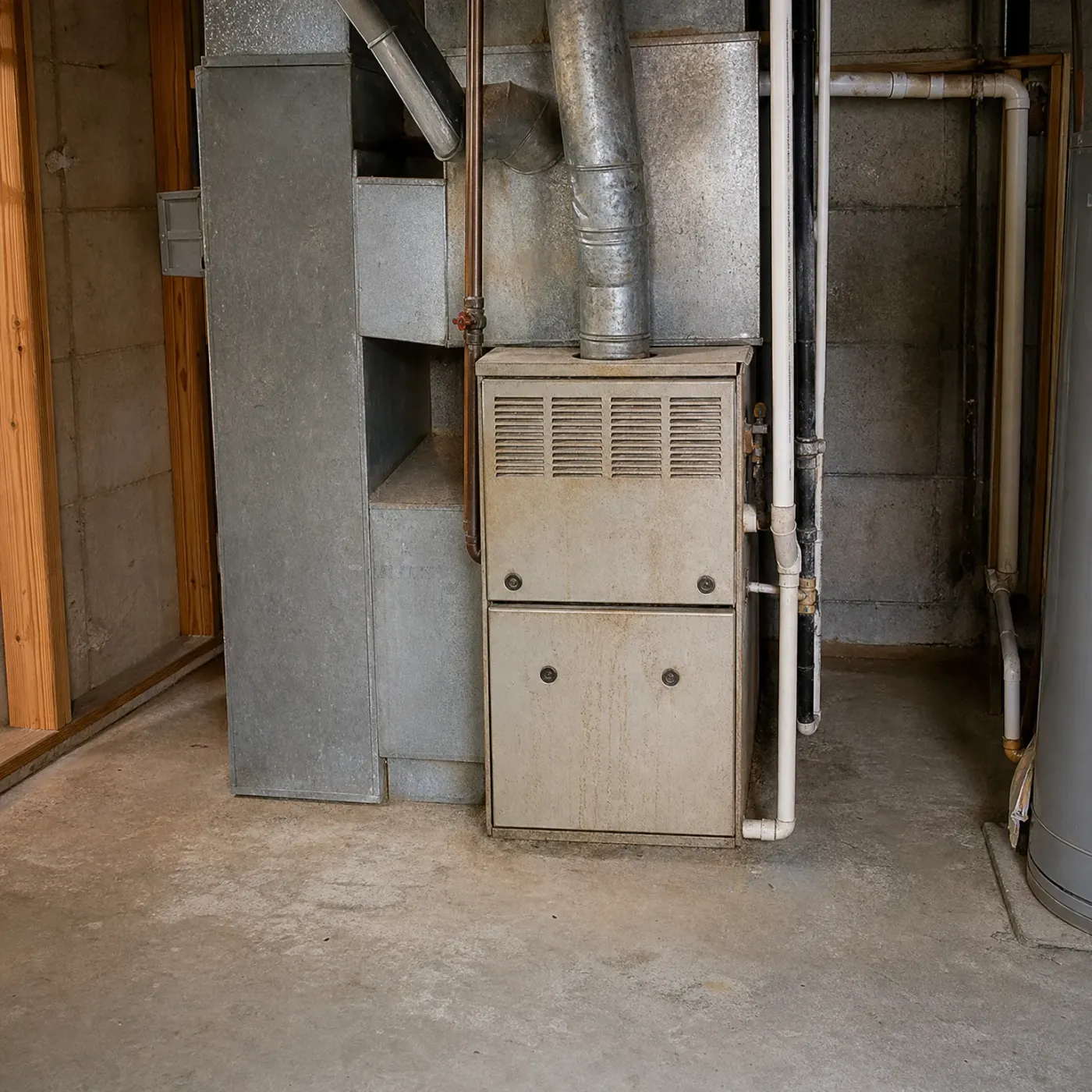
This furnace is older, tied into galvanized ductwork with copper and PVC lines running close by. More years on a furnace means more chances for a part to wear out, an igniter to fail, a switch to trip. When the blower runs but the air stays cold, this is the kind of setup where it tends to show up first.
What cold air from the vents costs you here
An electric furnace that's only moving air, not heating it, will keep running that way until something stops it, and electric heat already costs more than most other ways to warm a house in Maryland. Every hour the blower runs on cold air is an hour the rest of the house loses ground against it, so bedrooms at the end of the duct run feel it first, and a space heater in there just adds another device pulling off the same expensive power.
You don't have to spend an evening calling around to find out what's wrong. Once you answer a few questions about your furnace and your house, you get matched with a contractor who works on electric furnaces like yours, and they'll reach out to you directly. No describing the coils and the sequencer three separate times to three separate companies, no sorting through quotes that don't match what you asked for.
Why does the house feel colder than the thermostat says
You bump the thermostat up and the blower answers right away, but the air at the vent feels the same as the room, maybe cooler. A hand on the register near the kids' rooms tells you nothing's changed in minutes. The number on the wall keeps climbing while the house doesn't warm up to match it, so the furnace runs longer trying to close a gap it can't close. With electric heat, that extra runtime shows up on the bill before you've even figured out what's wrong. Left alone, the rooms farthest from the furnace stay coldest, and anyone relying on the house staying warm overnight is the one who feels it first.
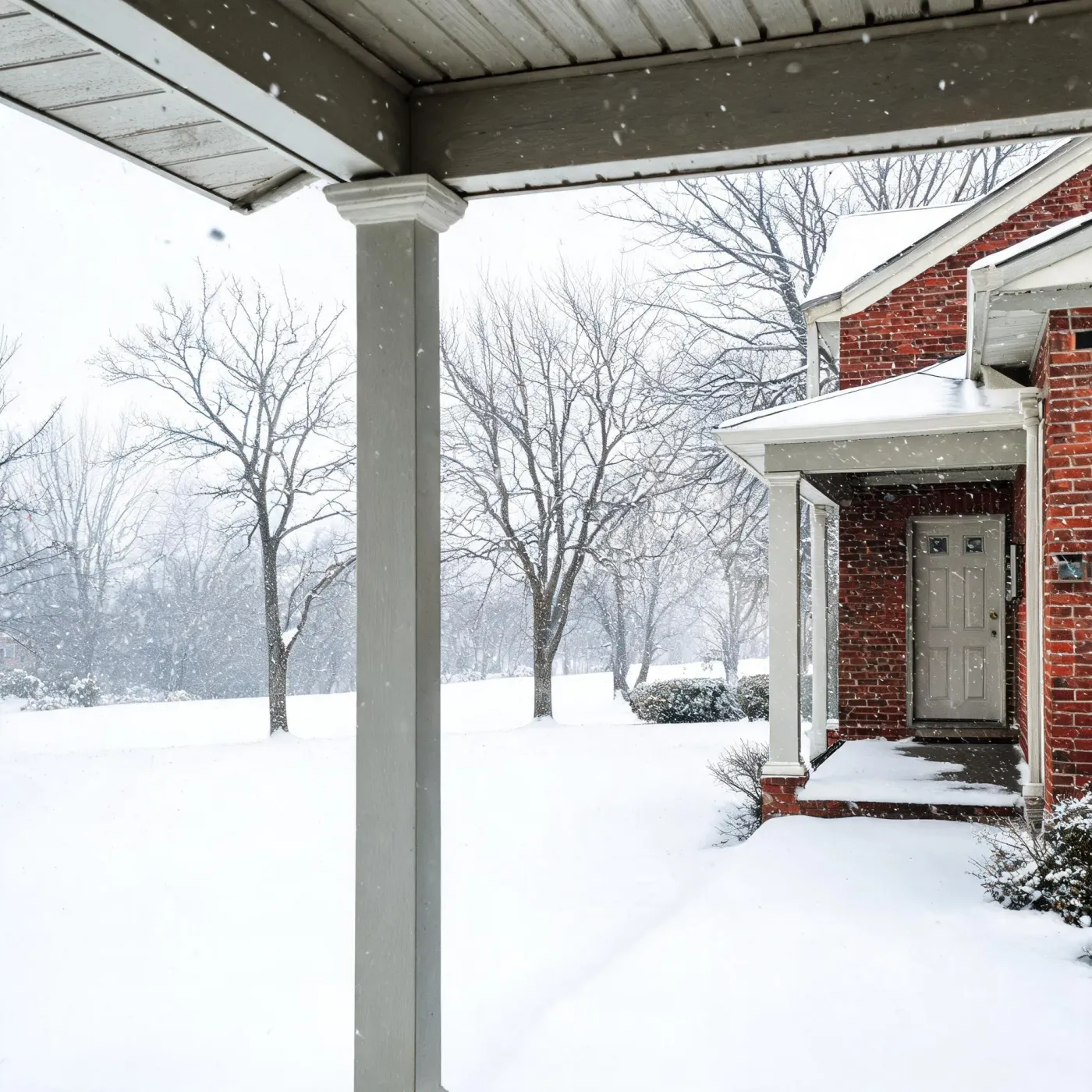
Statewide, winter nights average 27°F, per NOAA climate data. That's cold enough that a furnace stuck blowing room-temperature air won't just feel chilly, it'll let the house slide fast, especially overnight when nobody's up to notice right away. If your furnace runs on electric resistance coils, like most homes in Maryland, a tripped limit switch or failed sequencer means the blower keeps moving air while the coils sit cold. By morning the thermostat might read 68 but the vents feel no warmer than the hallway. The lower it gets outside, the quicker that gap shows up in how the rooms actually feel.
NOAA nClimDiv 1991-2020 county normals weighted by homes
A sequencer or limit switch that fails doesn't trip once and stop. It keeps cycling the blower on cold air every time the thermostat calls for heat, hour after hour.
That's electricity spent moving air through the house without warming it at all, on a system where every kilowatt already costs more than gas would.
Winter nights average 27°F statewide
At 27°F, a bedroom near an outside wall can drop fast once the furnace stops actually heating. With electric rates what they are here, you're paying for all that moving air whether it's warm or not.
NOAA nClimDiv 1991-2020 county normals weighted by homes
A furnace blowing cold air is doing part of its job, not all of it. The blower works, the thermostat calls for heat, and somewhere between those two things the heating itself drops out, usually a failed igniter on a gas system or a bad sequencer or coil on an electric one. That's a repair, not something to wait out, especially with nights near 27°F and electric rates what they are here. What it doesn't have to be is a slog. Instead of calling one company, getting put on hold, then starting over with another because the first can't come for a week, you can get matched with a contractor who takes electric furnace calls like this one and has them reach out to you directly. No retelling the same story three times, no stack of quotes to sort through on your own. You already know what's wrong enough to ask the right questions. The next step is getting someone qualified on the phone.