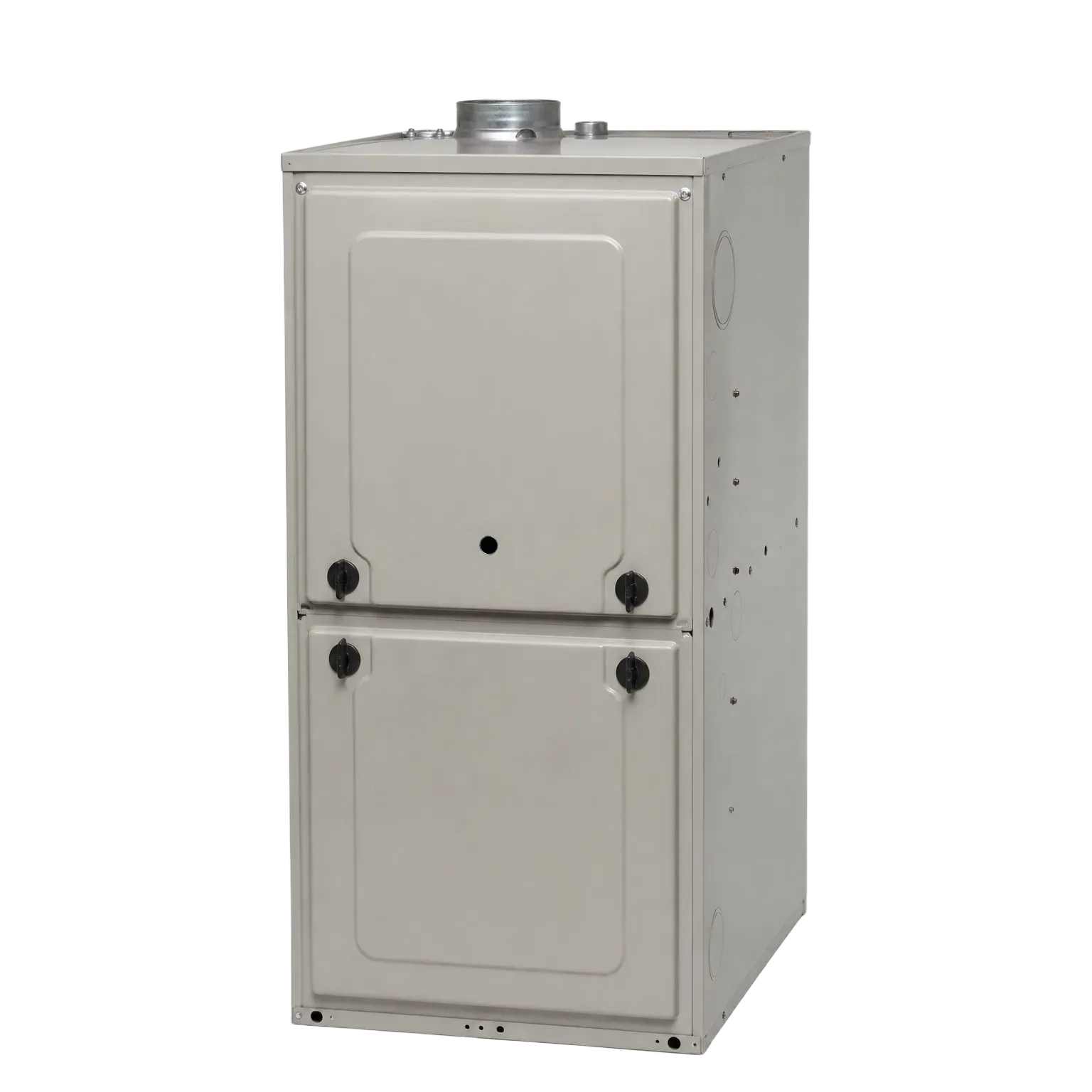

A high-efficiency furnace makes water on purpose
If your furnace vents through PVC pipe instead of metal, it condenses water as part of normal operation. A clogged drain line or cracked trap is often what sends that water where it shouldn't go.
Describe your furnace job, and a local pro who handles it gets in touch.
Get matchedYou went to check on your furnace and found water pooled underneath it, or dripping from somewhere inside the cabinet. A furnace isn't supposed to make water, so it's fair to wonder if this is a small fix or something that's going to leave you without heat. Most of Maryland heats with electricity, and a furnace that's not running right costs more to operate, so catching this early matters.
If your furnace is a high-efficiency model, it produces condensation as it runs, and that water is supposed to drain out through a small tube and hose into a drain or pump. When that line clogs or the drain pump fails, the water backs up and leaks out of the unit instead. That's the most common cause and usually the easiest to fix. A less common but more serious cause is a cracked heat exchanger, which can let moisture collect inside the cabinet. Either way, running the furnace while it's leaking can mean water reaching the blower motor or other electrical parts, so it's worth having someone look at it before you run it again.




If your furnace vents through PVC pipe instead of metal, it condenses water as part of normal operation. A clogged drain line or cracked trap is often what sends that water where it shouldn't go.
Water pooling under a furnace in Maryland's humid summers can spread to the flame sensor or control board. A small leak caught early is a cheap fix compared to a burner or board replacement.
Statewide, winter nights average 27°F, according to NOAA climate data. That's cold enough for a high-efficiency furnace to run long stretches most nights, and every one of those cycles makes condensate water that has to drain out through the PVC pipe. A line that was draining fine in October can freeze or clog by January once the cold settles in, and that's when water backs up into the cabinet instead of outside. If you're seeing water pool more on the coldest nights, the drain line is worth checking before it backs up into the burner compartment and shuts the furnace down. Once you send in what you're seeing, a contractor who knows this drain setup will reach out, and you're not stuck figuring out the fix alone on a cold night.
NOAA nClimDiv 1991-2020 county normals weighted by homes
After you send the request, you're done searching.
You're not committing to anything by asking.
A puddle under the furnace usually means the condensate line or trap is clogged, and that's not something to leave for later. Most homes in Maryland heat with electric systems, but if yours runs on gas through a high-efficiency furnace, that water has to go somewhere every time it cycles on, and on a 27°F night it can cycle for hours. Standing water near the cabinet can soak into the subfloor or the carpet underneath it, and water that backs up far enough can reach the flame sensor or the circuit board. A furnace with a wet board usually just shuts itself off, which means no heat on a cold night until someone clears the line or dries out the part. If the leak is coming from a cracked heat exchanger instead of the drain line, that's not a clog to clear, that's a part that needs a contractor's eyes on it before the furnace runs again. Either way, the sooner the water is traced to its source, the less it costs you in flooring, parts, and nights spent without heat.
At 27°F most winter nights, your furnace is firing often, and a high-efficiency unit makes condensate water on every one of those cycles. A clogged line that handles it fine in a mild stretch can back up fast once the cold settles in for the night.
NOAA nClimDiv 1991-2020 county normals weighted by homes

Gas burns, and burning gas makes water vapor along with heat. In a high-efficiency furnace, the flue gas gets pulled through a second heat exchanger before it leaves the house, and that extra cooling is what turns the vapor into liquid. The condensate collects in a drain pan or a trap built into the unit, then runs down through a small tube to a drain, a condensate pump, or straight outside. Any one of those points can fail on its own. A trap can crack. A tube can sag and hold water instead of moving it along. A floor drain can back up from something that has nothing to do with the furnace at all.
Figuring out which point failed means opening the cabinet and tracing the line from the heat exchanger to wherever it empties, and that's not something to guess at from the outside of the unit. A contractor who's walked through enough of these can usually tell within a few minutes whether the trap, the tube, or the drain itself is the problem. If you'd rather have someone who knows this furnace take a look than keep opening the panel yourself, the next step is getting matched with one who covers your area, and they'll reach out to sort out what's actually going on.

Gas burns and the flame heats the primary exchanger.
Flue gas passes through a second exchanger to pull out more heat.
That cooling turns part of the flue gas into water.
Water drips down into a collector box at the bottom.


Start with the drain side. A high-efficiency furnace makes condensate water every time it fires, and that water needs a clear path out through the trap and the line. When that path clogs or cracks, the water finds the next easiest way out, which is usually down the front of the cabinet or into a puddle on the floor. Where the water shows up tells you something. Pooling near the bottom, close to where the PVC pipe exits, points to the drain system. Water showing up higher, near the burner compartment, points somewhere else, toward the heat exchanger itself, and that's a different repair.
None of this touches the electric heat running in most homes across Maryland. This is a gas furnace problem, tied to the PVC venting that makes high-efficiency units different from older gas furnaces and different from electric systems entirely. If yours is one of those furnaces and it's leaking, the line connecting cause to effect is short: cold nights mean more firing, more firing means more condensate, and a line that was barely keeping up starts backing up.
A furnace that's still running while it leaks is usually fine to have looked at rather than shut down right away, but it shouldn't sit too long with water pooling near the cabinet. Once you send the form, a licensed contractor takes it from there, and finding one stops being something you have to manage yourself.

A pro who works on furnaces