

Chesapeake Furnace
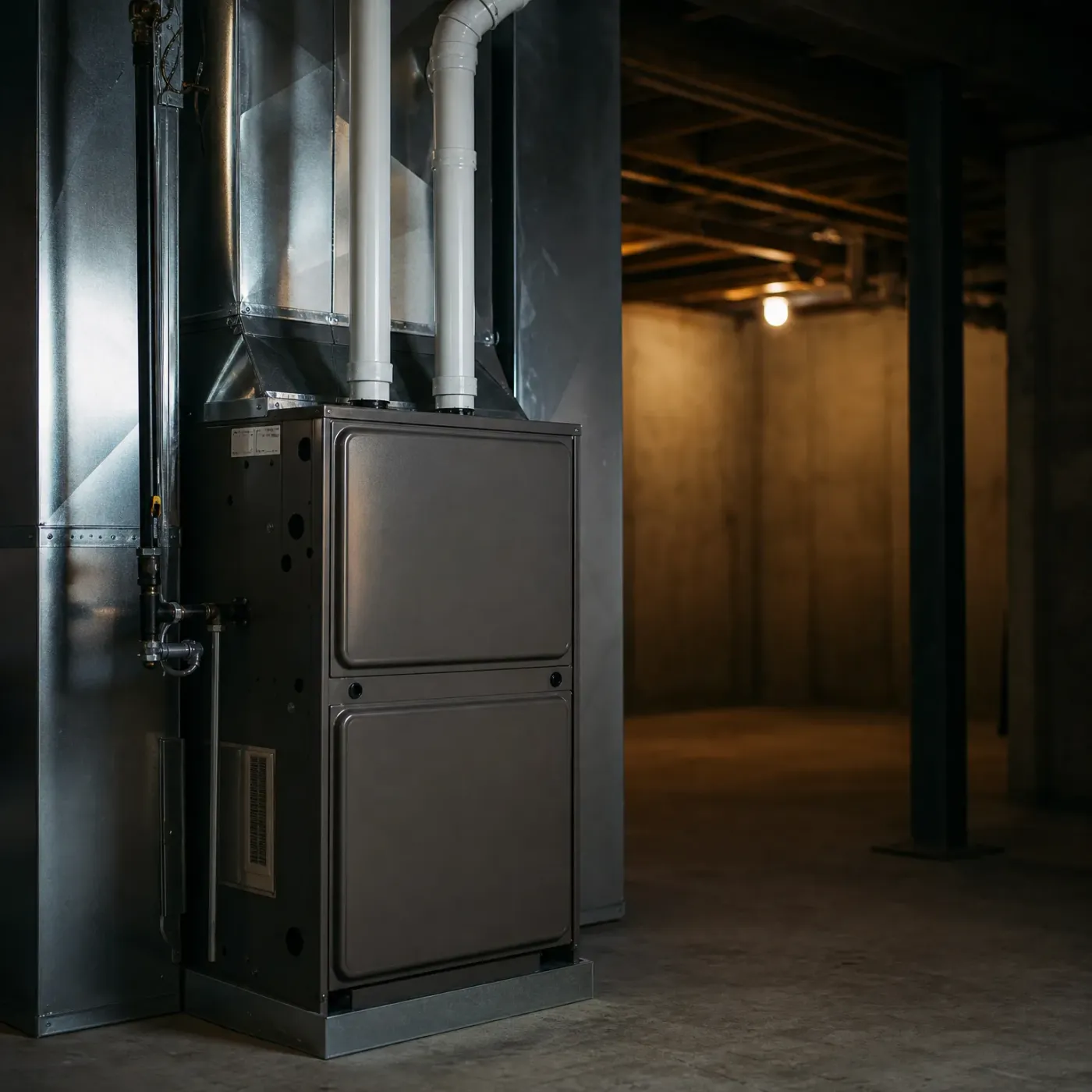
A gray high-efficiency furnace with two white PVC vent pipes stands beside galvanized sheet-metal ductwork in a dim basement with exposed joists and a concrete floor.

Get your furnace to the right pro

Why your furnace keeps turning on and off in Maryland

A furnace that cycles on and off every few minutes usually has a reason behind it, and most of them are worth checking before winter really sets in. With most Maryland homes heating by electricity, a furnace working harder than it should shows up fast on the bill. This page gets into what causes the short cycling and connects you with a local contractor who can look at your specific setup.

Get matched

A furnace that keeps turning on and off every few minutes is short cycling, and it almost always comes down to heat buildup or airflow. A dirty filter or a closed vent chokes off airflow, the furnace overheats, and a safety switch shuts the burners down before they've finished the cycle. A failing flame sensor or a cracked heat exchanger can trip the same shutoff even with good airflow. A thermostat that's miscalibrated or mounted somewhere that doesn't reflect the room's real temperature will also call for heat and cut it off faster than it should. None of these fix themselves, and a furnace that short cycles all winter wears out its parts faster than one that runs full cycles, since the ignition system and blower motor take the hardest hit every time the furnace restarts. With most homes in Maryland heating by electricity, a furnace cycling too often also means the blower is drawing power more often than it needs to, and that shows up on the bill before the furnace itself fails outright.

A woman with shoulder-length brown hair wearing a beige knit cardigan sits in a gray upholstered armchair near a window, looking off to the side with a slight smile, with bookshelves blurred in the background.
A woman with her hair in a bun holds a sleeping young child against her chest, both wrapped in a textured beige knit blanket on a sofa in a dimly lit room with a lamp, framed picture, and bookshelf behind them.

What the limit switch is doing

The high limit switch is the part that shuts a furnace down mid-cycle. Its job is to sense when the air inside the cabinet gets too hot and cut the burners before the heat exchanger takes damage. When airflow is restricted, that heat has nowhere to go, so the switch trips sooner and sooner each cycle. A furnace doing this isn't broken in the way a dead igniter is broken. It's reacting correctly to a problem somewhere else, usually a filter clogged enough to choke the air moving across the exchanger.


Why the electric bill notices first

A furnace that short cycles runs its blower and ignition sequence over and over instead of settling into one steady run. Each start draws more power than a furnace does once it's running, so a unit cycling every few minutes adds a lot more starts to a day than it should have. With electric heat already the norm across Maryland homes, that extra cycling shows up on the bill before most people notice anything else wrong, since the house still feels warm enough while the furnace works harder to get there.

A gray-haired man in a dark sweater sits on a light gray sofa in a living room, looking toward a sunlit window with trees outside.
A gray-haired man in a dark blue sweater sits on a light gray sofa in a sunlit living room, looking off to the side, with a potted plant, shelving unit, and large glass doors behind him.
A bearded man with graying hair in a dark green sweater sits on a sofa in a living room, looking off to the side, with a sliding glass door and a dim kitchen doorway behind him.
A gray-haired man in a dark knit sweater sits on a light gray sofa in a living room, looking toward a sunlit window, with houseplants, a lamp, and framed art in the background.
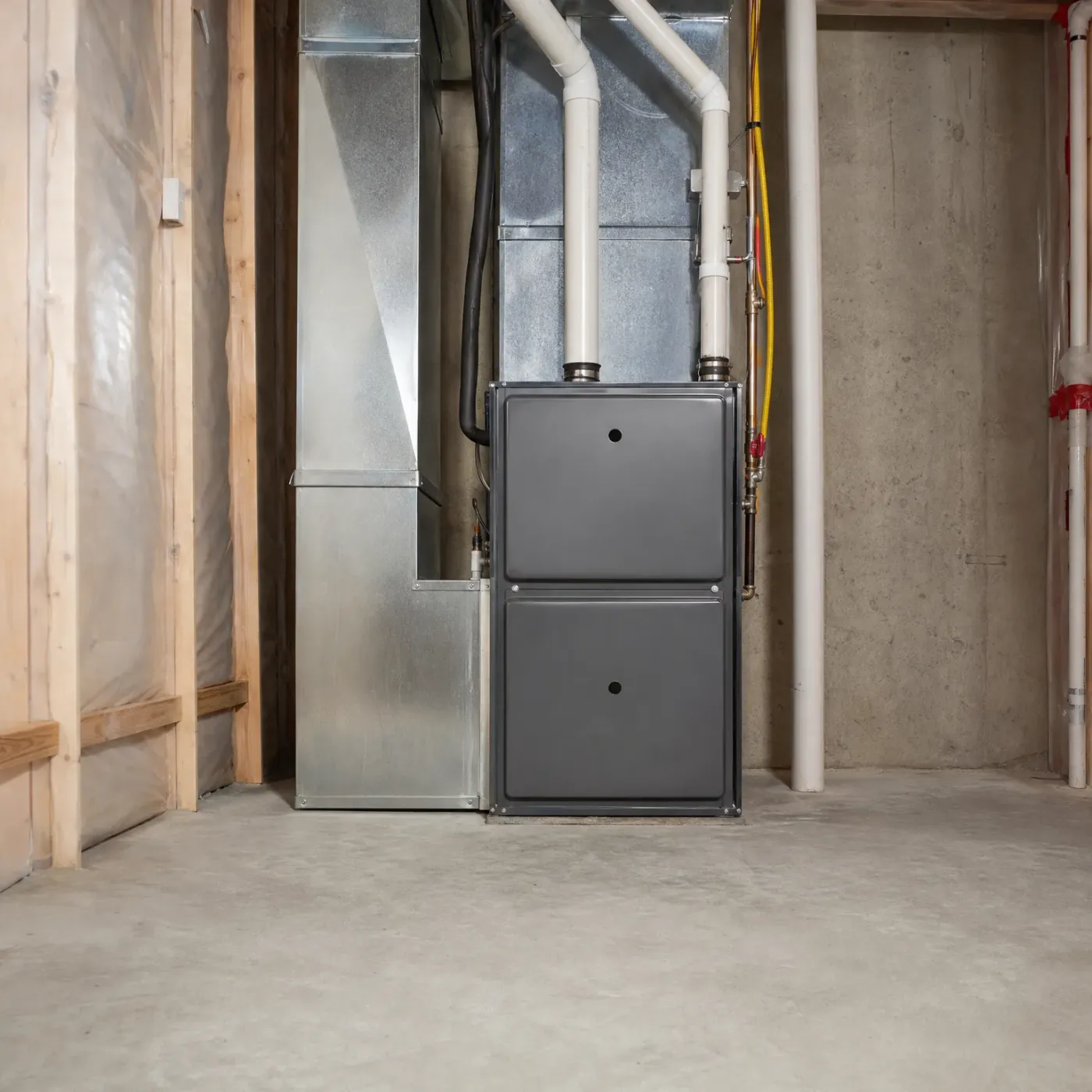
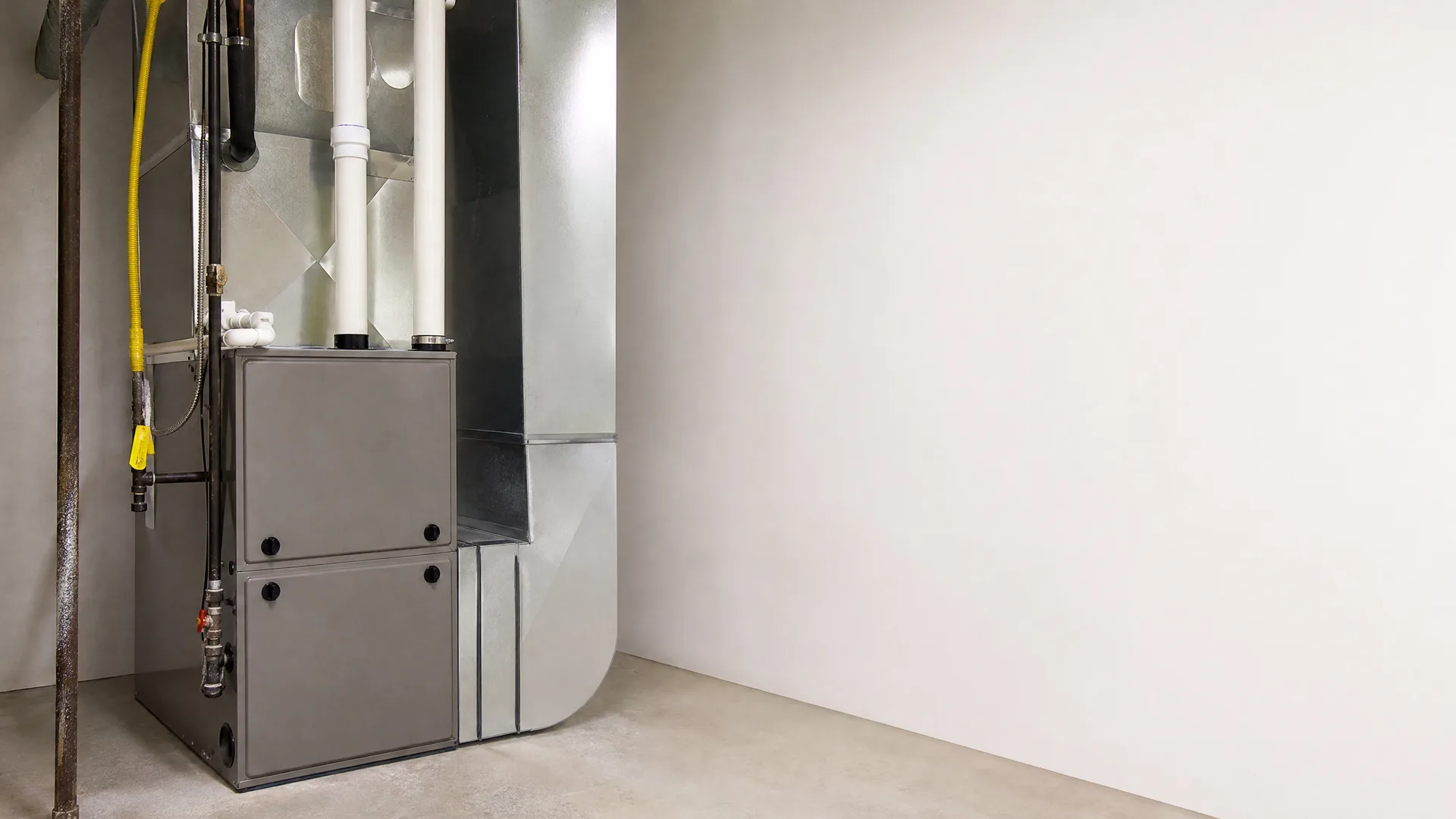
A gray high-efficiency furnace with two PVC vent pipes stands in an unfinished basement beside sheet-metal ductwork, a framed and plastic-covered wall, and a bare concrete wall with vertical pipes.

Running a normal cycle

This is what a furnace should look like mid-cycle: burners on, blower pulling air through clean ductwork, flue pipes venting steady. It runs until the thermostat is satisfied, then shuts off on its own. No short bursts, no restarting a few minutes later.

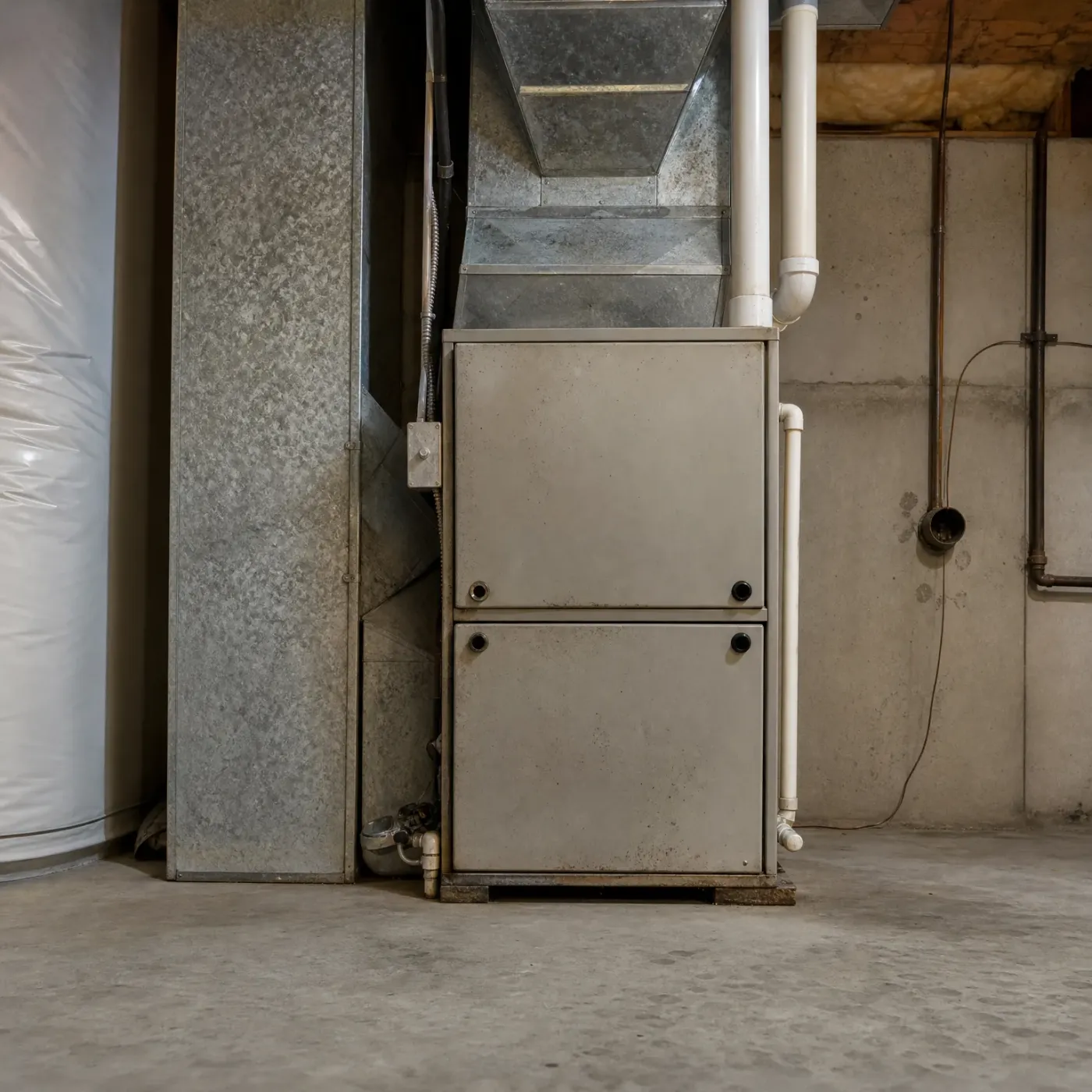
A gray furnace cabinet in a basement, connected to galvanized sheet-metal ductwork and white PVC pipes, against a concrete wall with exposed metal piping and insulation overhead.

Short cycling on a limit trip

Same type of furnace, but this one is shutting down early. Airflow is restricted somewhere between the blower and the ducts overhead, so the cabinet heats up fast and the limit switch cuts the burners before the room gets warm. It fires back up and trips again soon after.

Airflow Fix or Failing Part

Airflow problem

  • A clogged filter, a closed vent in an unused room, or furniture blocking a return can starve the furnace of air it needs to run a full cycle.
  • The fix is often simple and cheap, sometimes a new filter or opening vents that got shut for the summer.
  • Short cycling from airflow alone usually stops as soon as the blockage clears, with no damage done to the furnace itself.
  • A contractor can check static pressure in the ductwork to confirm airflow is the actual cause before touching anything else.
  • If this is caught early, the limit switch has been doing its job and nothing inside the furnace has been stressed yet.

Component failure

  • A cracked heat exchanger, a failing limit switch, or a blower motor that's lost strength can cause short cycling even with clean filters and open vents.
  • These problems don't go away on their own and tend to get worse the longer the furnace keeps shutting itself down mid-cycle.
  • A blower that can't move enough air will trip the limit switch on every cycle, even after the filter's been changed.
  • Diagnosing this means a licensed contractor opening the cabinet and testing parts, not guessing from the thermostat.
  • A furnace cycling this way draws more electricity each time it restarts, which adds up on a Maryland power bill over a winter.
  • Left unaddressed, a cracked heat exchanger is a safety issue, not just an efficiency one.
  1. Thermostat calls for heat and the furnace ignites the burners.

  2. Blower motor starts pushing air across the heat exchanger.

  3. Restricted airflow traps heat inside the cabinet.

  4. Cabinet temperature climbs past the high limit switch's setpoint.

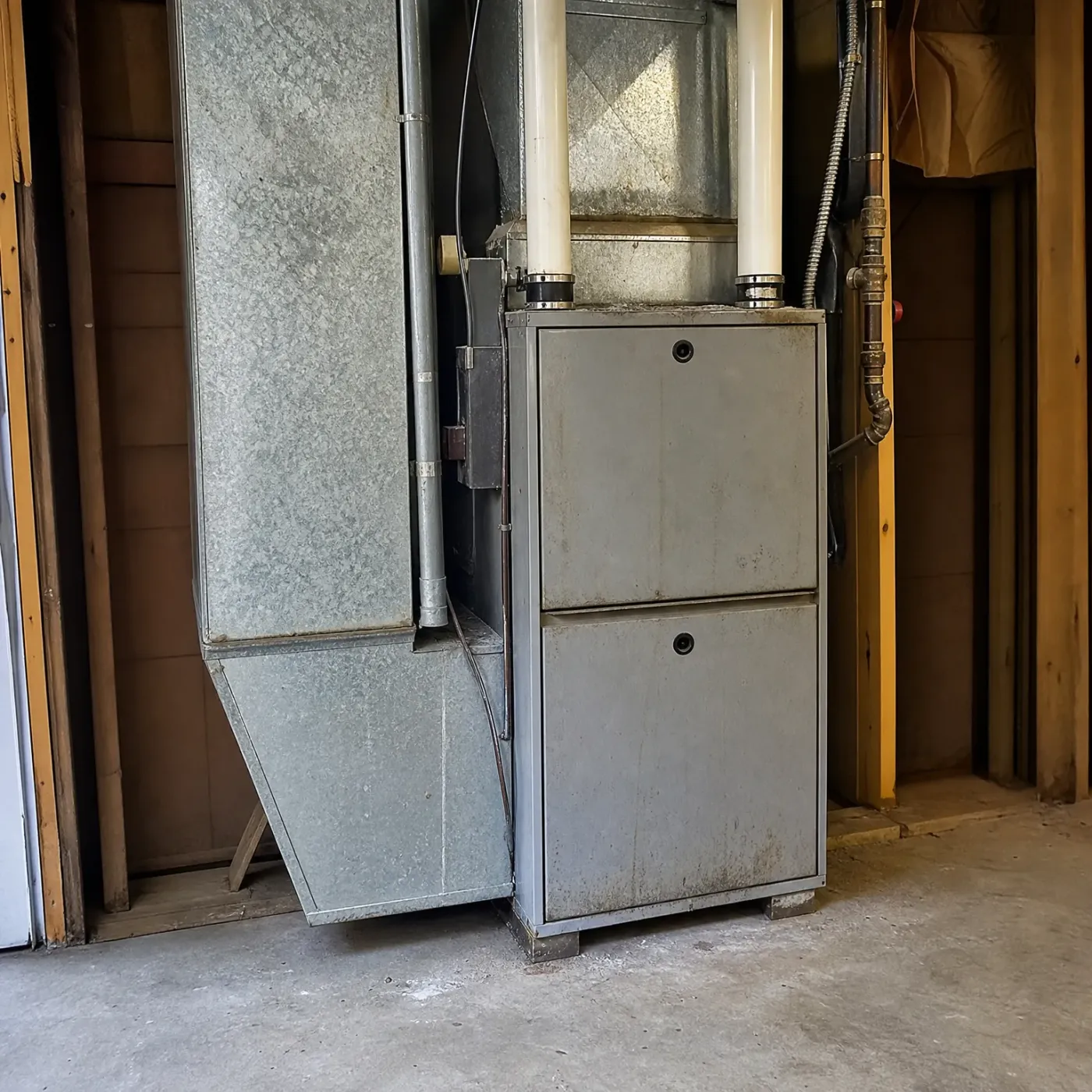
A gray metal furnace with two white PVC vent pipes stands on a concrete floor beside galvanized sheet-metal ductwork in a basement or utility space with wood framing.
Before you get your furnace repair
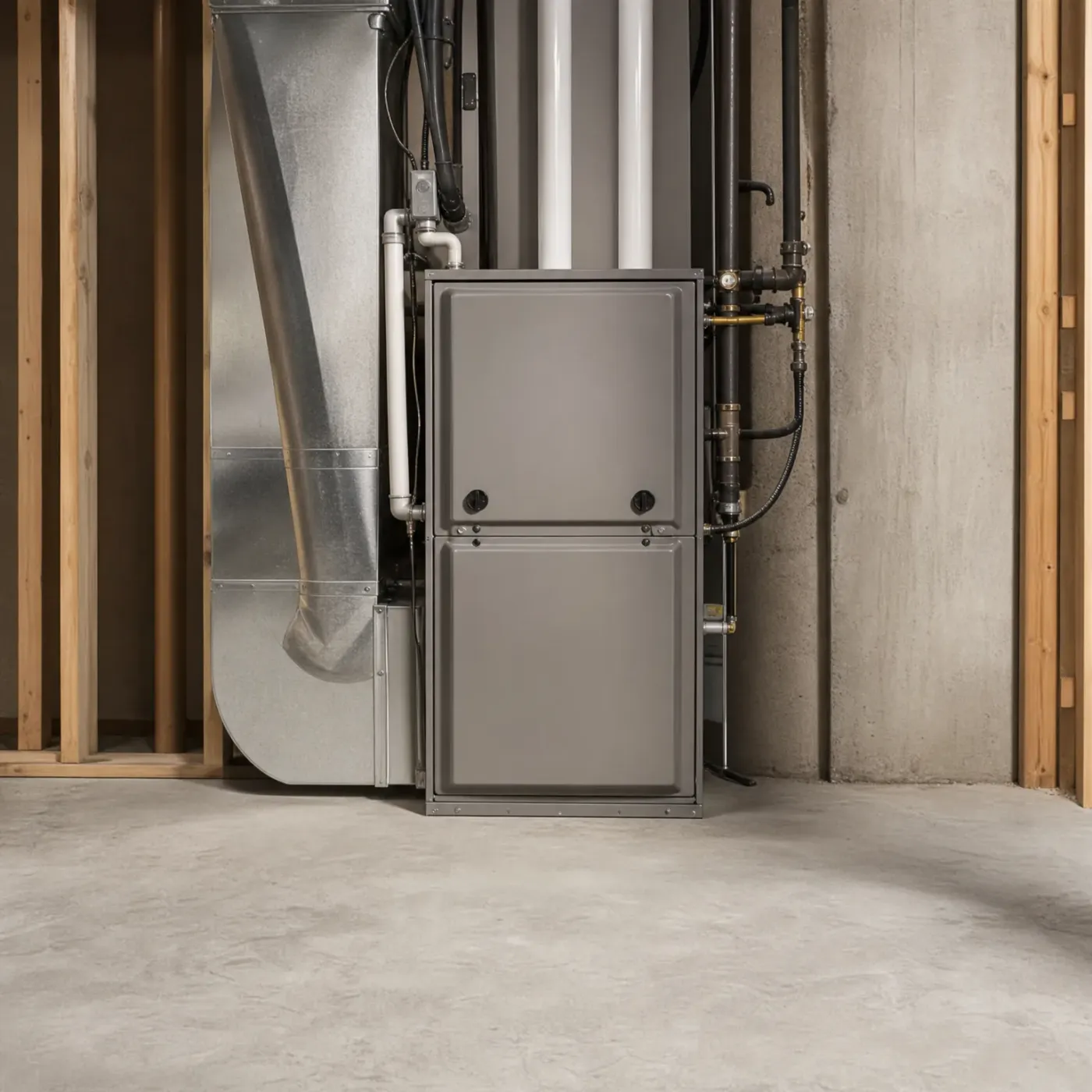
A gray furnace cabinet in a basement with sheet-metal ductwork, white PVC vent pipes, and black gas piping against a concrete wall and wood-framed partition on a bare concrete floor.
After you get your furnace repair

The right pro for this job

Your request goes to one pro, not a list of companies.

Sending the form costs nothing.

What short cycling does to your bill

Electric heat already costs more to run than gas, and a furnace that short cycles makes it worse. Every restart pulls the blower and ignition system back up to speed, and that draw happens over and over through the night instead of once per cycle. You'll notice rooms farther from the furnace staying cooler even as the system kicks on constantly, because it never runs long enough to push heat all the way through the ductwork. The thermostat might read satisfied while the back bedroom is still cold. Over a full Maryland winter, a furnace doing this working harder than it should shows up as a higher bill without a warmer house to show for it.

What keeps getting shut down early

The heat exchanger is the part that takes the real damage. Every time the limit switch cuts the burners mid-cycle, it's reacting to heat that built up because air couldn't move through fast enough. That's stress the exchanger wasn't built to absorb forty or fifty times a day. Left alone through a Maryland winter, the same restriction that trips the switch now can crack metal that's been overheated repeatedly. A furnace that short cycles for a few weeks before anyone looks at it is a different repair than one caught the first week it started. The part doing the most work to protect the furnace is also the one with the least room for repeated strain.

Winter nights average 27°F statewide

A 27°F night means your furnace is cycling on for hours at a time to begin with. Add short cycling on top of that, and the burners are restarting over and over through the coldest part of the night, right when the thermostat is calling for heat the most.

NOAA nClimDiv 1991-2020 county normals weighted by homes

A gas furnace with two gray access panels stands against a plain wall in a basement, connected to sheet-metal ductwork, white PVC vent pipes, and a yellow gas line.

Leaving it alone

A furnace that short cycles doesn't fix itself. The limit switch will keep doing its job, shutting burners down every time the cabinet overheats, which means the house never quite gets warm even though the furnace is running constantly. Some nights it will seem fine, then a closed vent or a clogged filter tips it back into short bursts. Left long enough, the same heat buildup that trips the switch can warp the heat exchanger, and that's a part nobody wants to replace twice.

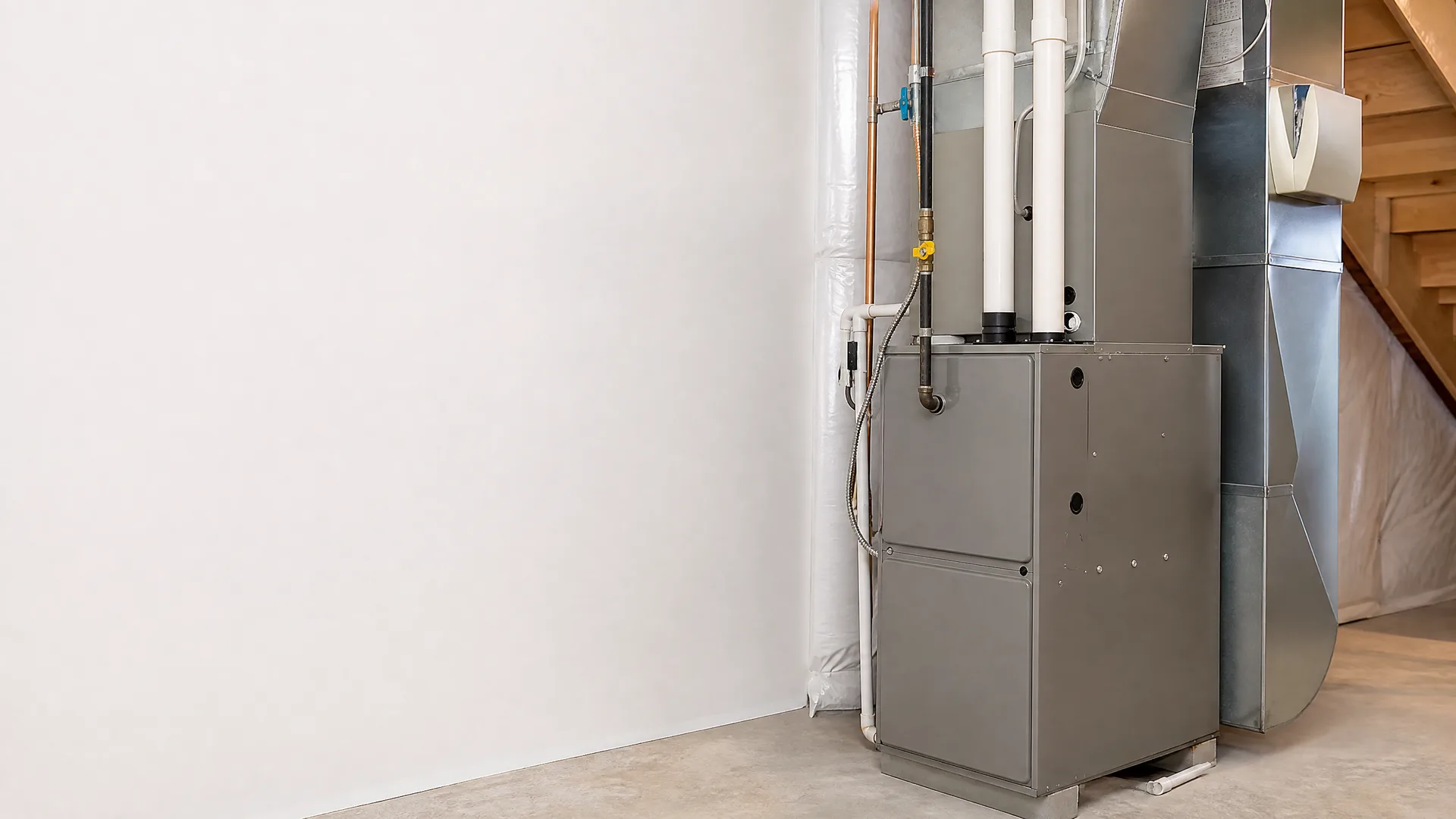
A gray high-efficiency furnace in a basement corner with white PVC vent pipes, copper and black gas piping, and sheet-metal ductwork beside a plain white wall and wooden stair framing.

Getting it looked at

A technician who works on furnaces around Maryland every winter can usually tell within a few minutes whether this is a filter, a blocked vent, or the limit switch itself failing. They'll check static pressure across the system, look at the ductwork for anything pinched or closed off, and test the switch under a real cycle rather than guessing. Once airflow is restored and the switch is verified, the furnace should run a full cycle and shut off on its own, the way it's supposed to.

A woman in a cream sweater and jeans stands in the open doorway of a white stucco house, holding the dark door, while a man in a dark quilted jacket seen from behind walks toward the entry past potted plants.

A furnace that short cycles needs a diagnosis, not a guess

Short cycling has a cause, and finding it means someone checking the filter, the vents, the blower and the limit switch in person, not swapping parts and hoping. A furnace tech who works on these systems all winter in Maryland has seen most of what causes it and knows where to look first.

Matching you with a contractor means one licensed company local to you reaches out, not a handful of calls from different outfits competing for the job. They'll know the heating setup that's common in homes around here and what tends to fail when a furnace starts cycling like this. From there, it's a call to look at your furnace and tell you what it needs.

A gray upholstered sofa with a matching cushion sits beside a potted plant and a wooden table holding a small green plant in a stone pot, near a curtained window.
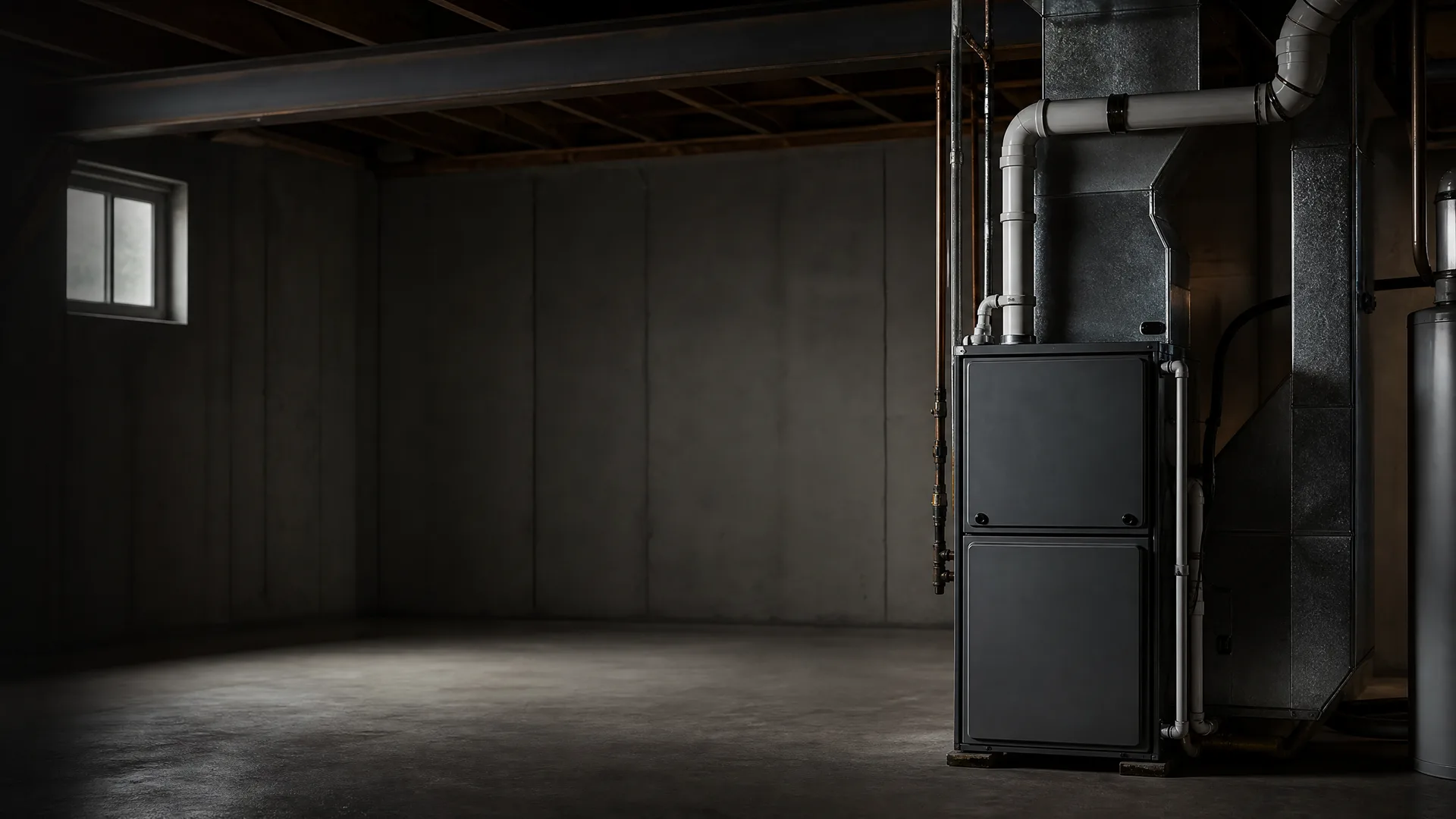
A dimly lit unfinished basement with concrete walls and floor, exposed floor joists, a small window at left, and a dark furnace with PVC venting and sheet metal ductwork at right.

Matched to your furnace job

The pro who reaches out is licensed in Maryland.

Step 1 of 3: Equipment