
A quiet start
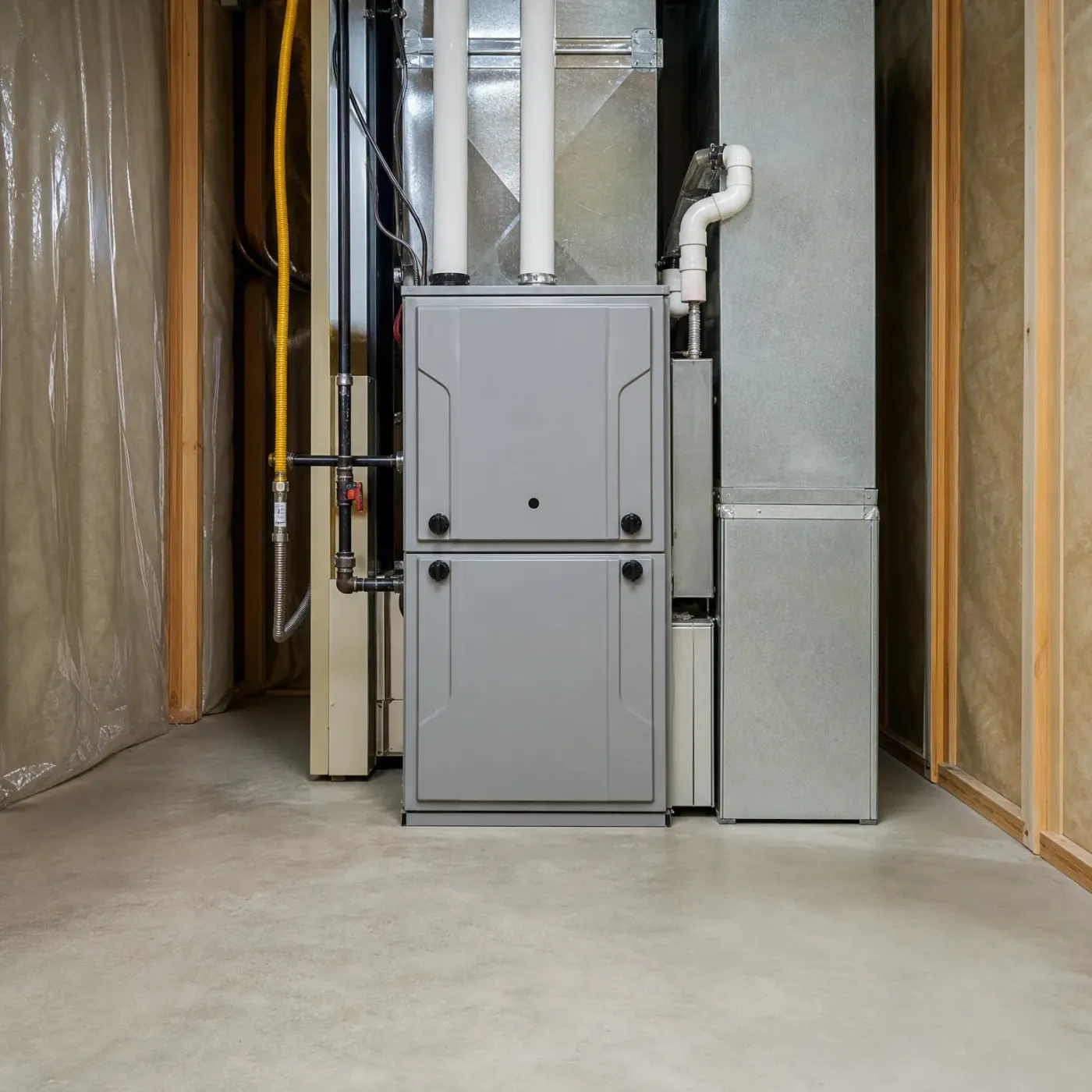
A furnace in good shape warms up with barely a sound. The blower spins up, air moves through solid ductwork, and the flue draws steadily. If yours has had regular service, this is what starting up should sound like.
A bang when your furnace kicks on is loud enough to bring everyone downstairs to ask what it was. With an electric furnace running most of the winter here, you want to know whether that noise means a repair call now or a bigger problem once the cold really sets in and the house depends on it every day.
In an electric furnace, the heating elements warm up in stages, and a loose part or a stretched duct section can pop or bang as metal expands with that heat. The same bang can come from a blower that starts before the elements have warmed, pushing cold air through ductwork that hasn't adjusted yet. Neither one fixes itself, and a furnace that bangs on every start is working harder than it should through a Maryland winter that already runs it for months. With electricity priced the way it is here, a furnace running inefficiently costs more every time it cycles on. Left alone, a loose component can wear against others and turn a noise into a part that needs replacing instead of adjusting.
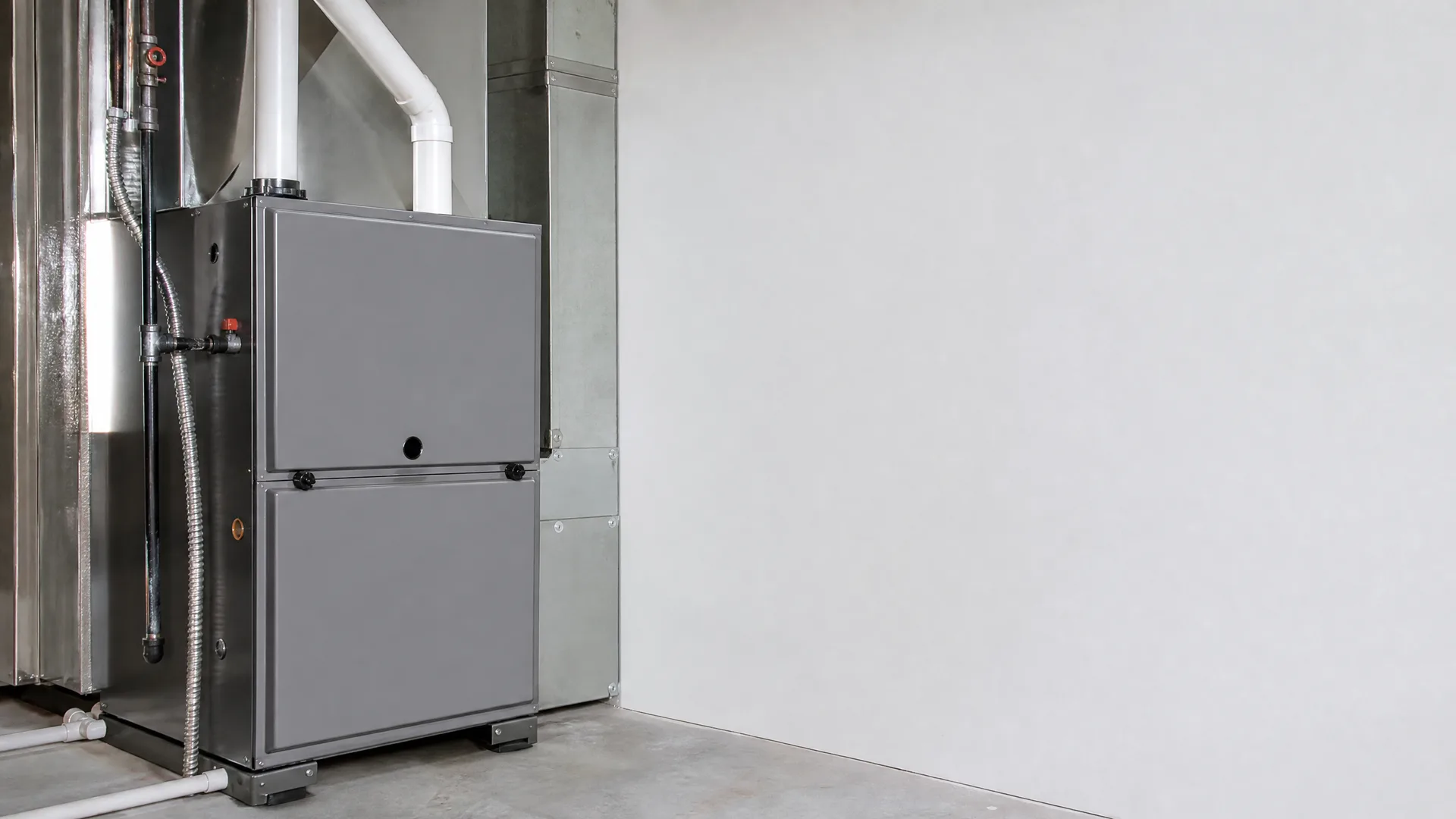
Most of that banging comes from the sheet metal ductwork, not the furnace itself. When the heating elements fire and warm air pushes through, the metal expands and the duct seams flex. If a section was undersized or poorly supported when it went in, that flex turns into a loud pop or bang right at startup. It usually comes from one spot, often near the furnace or a sharp turn in the duct run.
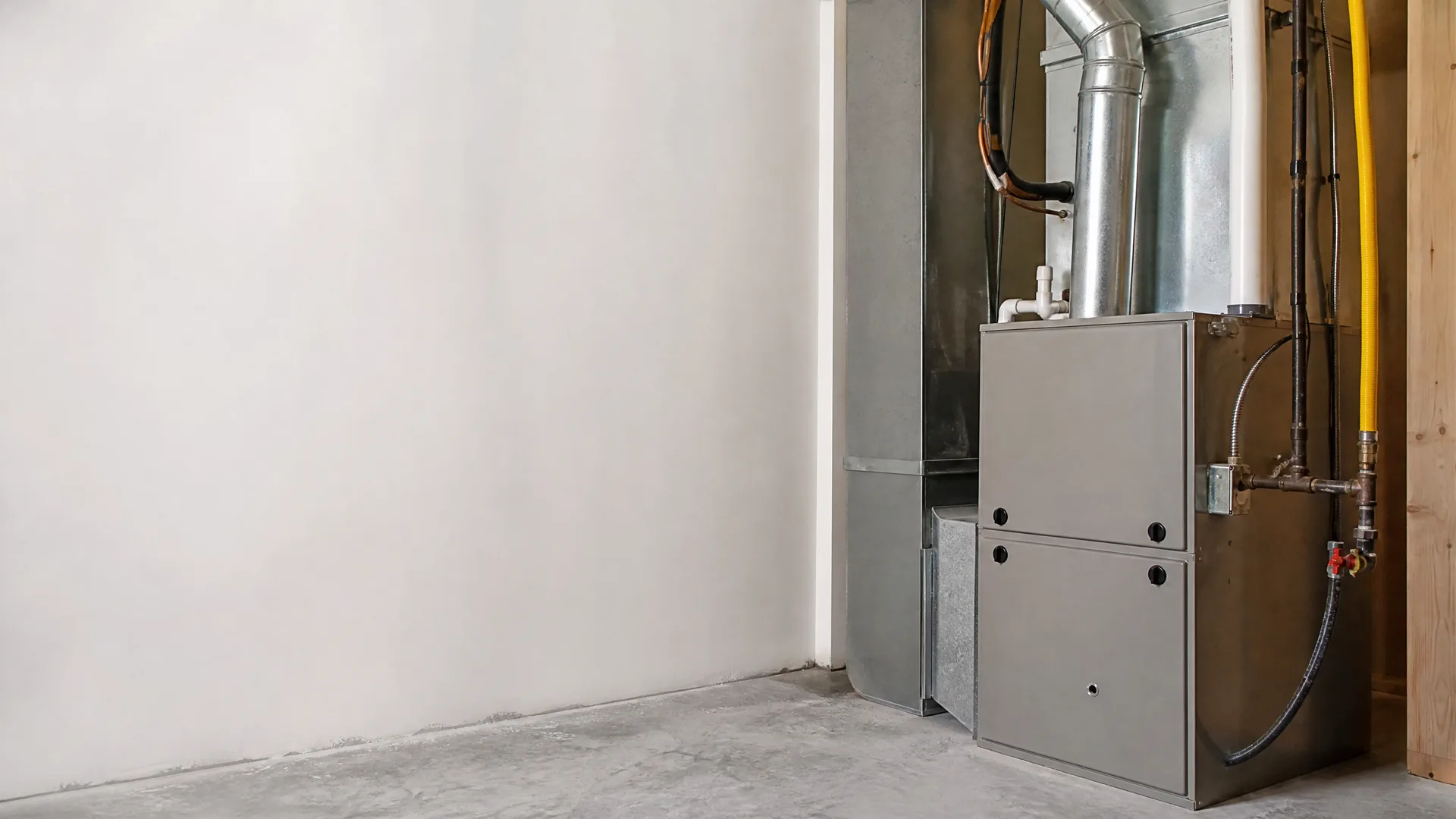
An electric furnace does not ease into heat the way a gas one does. The elements jump to full temperature fast, so the metal around them heats and cools quickly every time the thermostat calls. That fast cycling is harder on duct connections and blower housings than a slower warmup would be. With Maryland winters keeping that furnace running for months, the parts taking the stress get worked on a regular basis, not just once in a while.
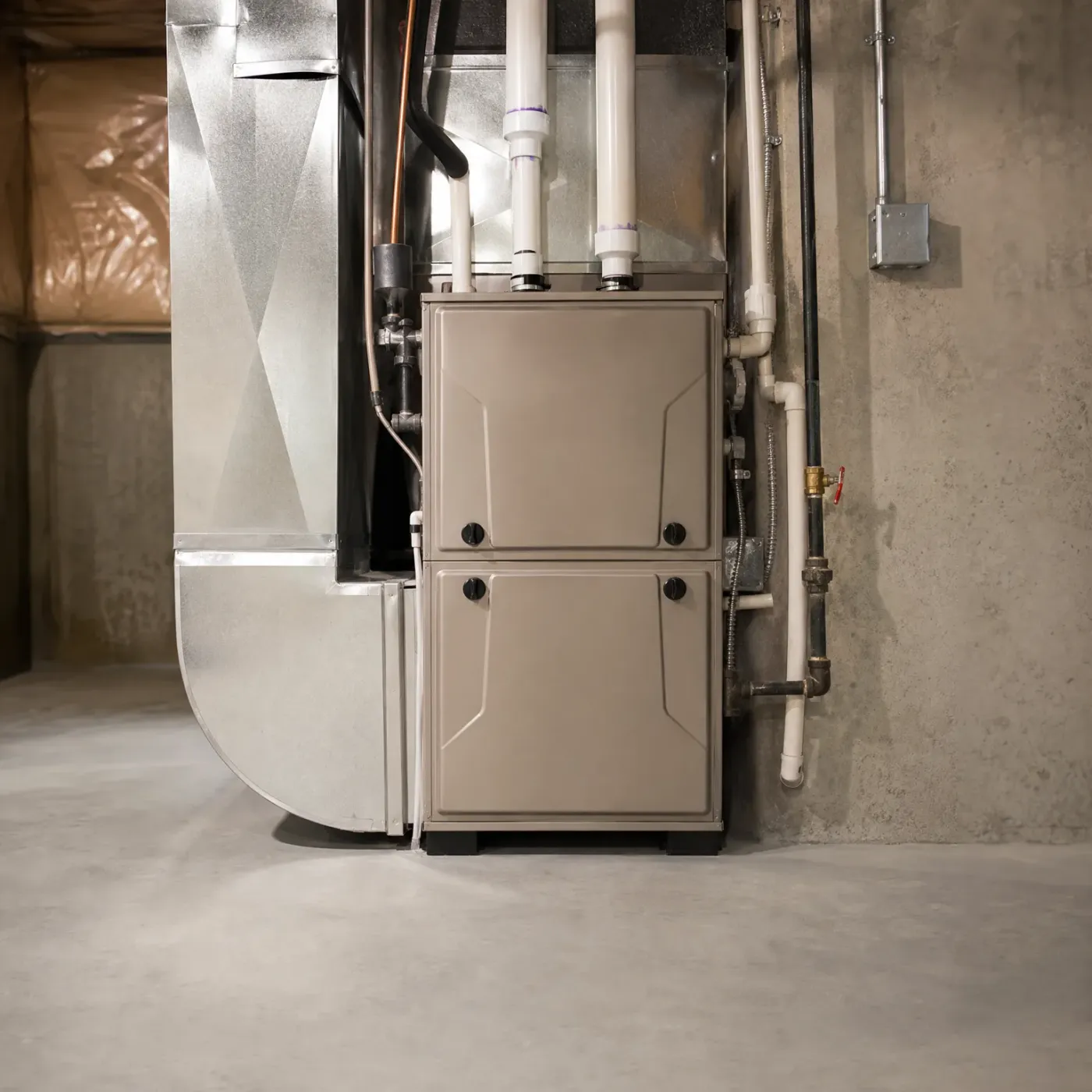
A furnace in good shape warms up with barely a sound. The blower spins up, air moves through solid ductwork, and the flue draws steadily. If yours has had regular service, this is what starting up should sound like.
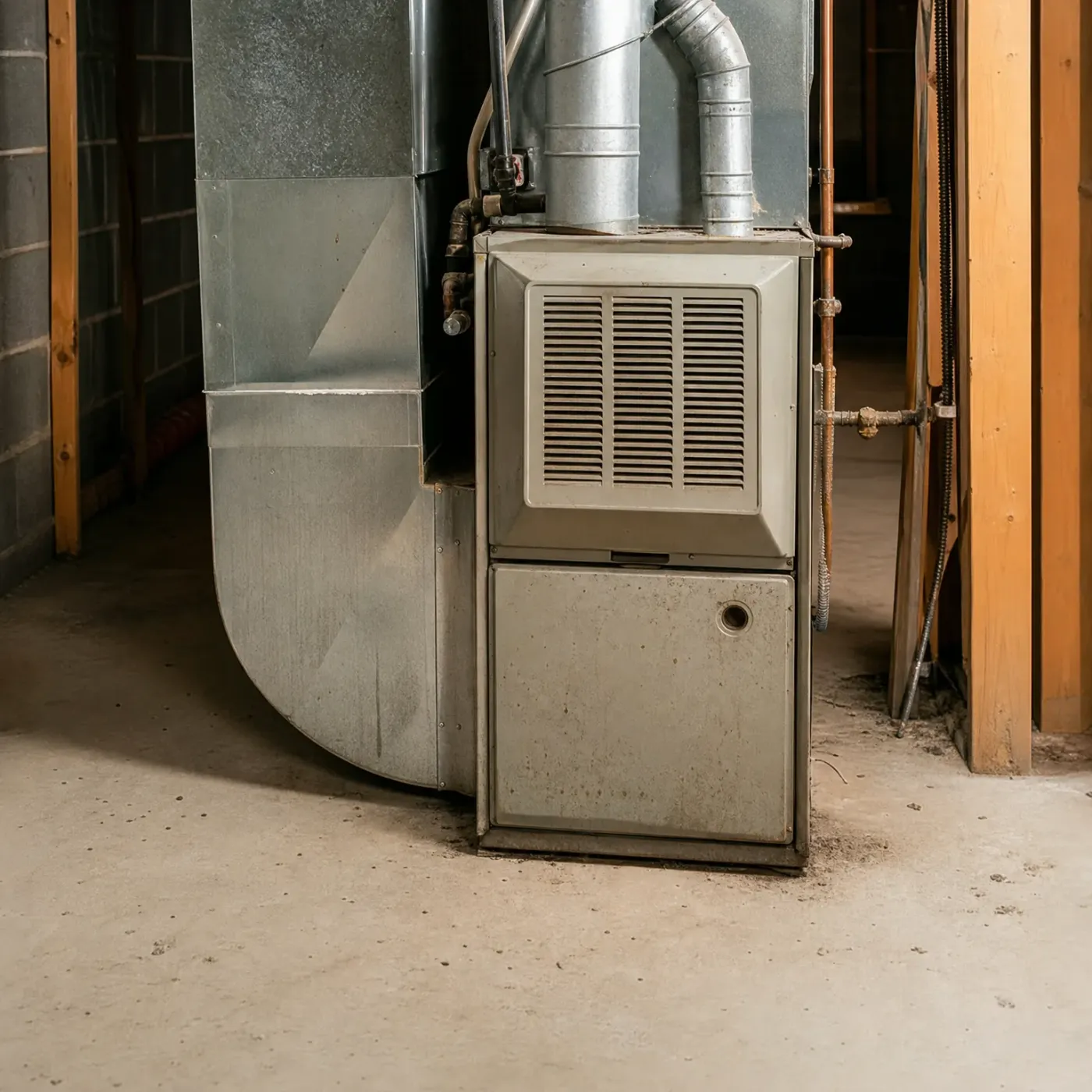
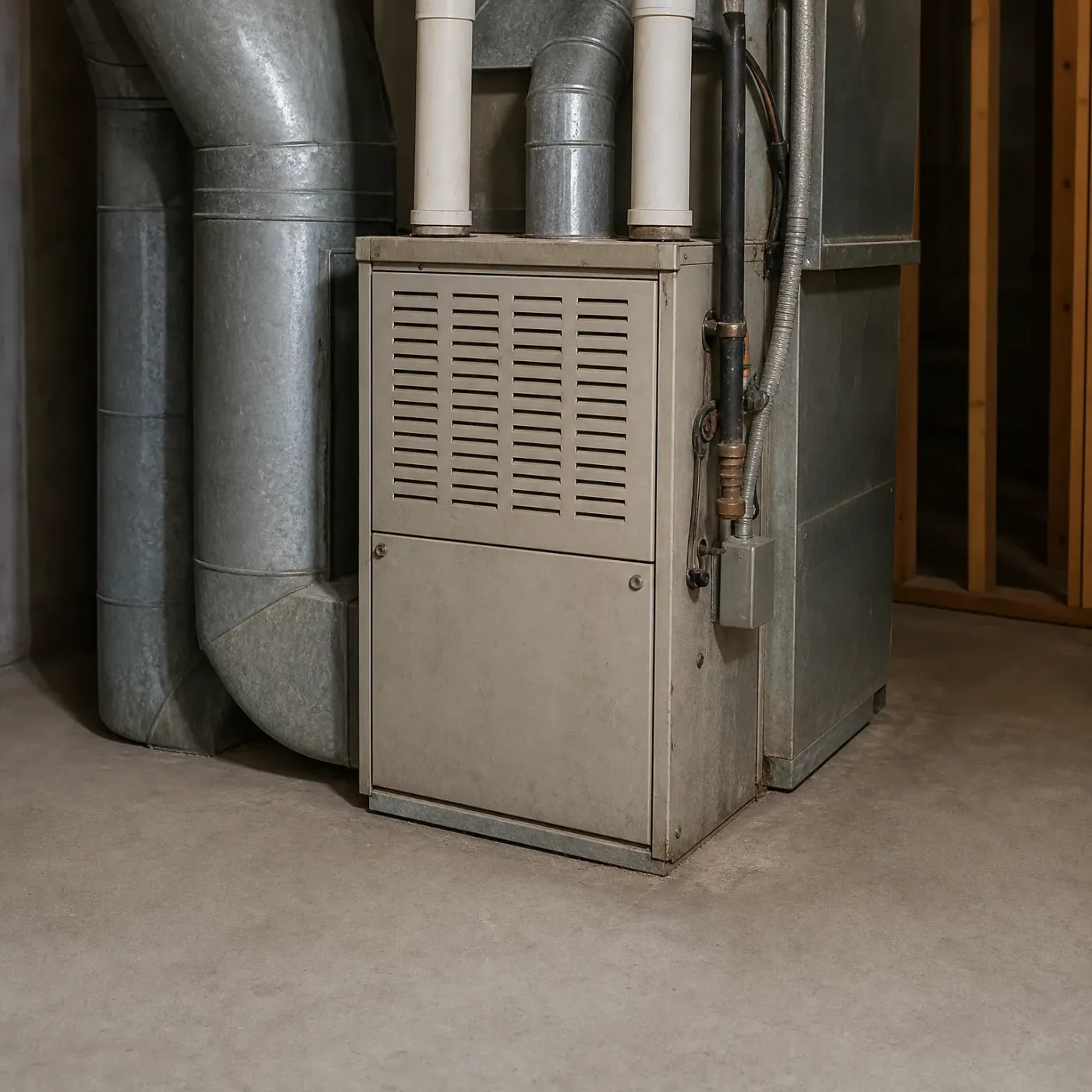
An older unit that hasn't been serviced builds up dust around the base and often has looser duct joints. That one bang on startup can turn into several, and it's worth having someone who works on furnaces in Maryland every winter take a look before it gets worse.




A banging furnace is not something to live with until spring, especially when electric heat is already running up your bill all winter. Finding someone to look at it usually means searching around, calling a few places, explaining the same noise three different times, then sitting on quotes trying to guess who actually knows electric furnaces and who just services gas units. That part you can skip. This goes to one licensed contractor near you in Maryland, someone who works on this equipment every winter and has heard this exact bang before, in a duct run or in the heating elements themselves. You get one call back, not five, and you can describe the noise once to someone who'll know what to listen for when they get there. The bang will not stop on its own. Handing it off now means it gets looked at before it turns into something that keeps the furnace from running at all.
Electric furnaces heat up fast. The elements hit full temperature within seconds of getting power, much quicker than a gas furnace warming a heat exchanger, and that speed puts stress on metal parts all at once instead of gradually. Most of the time what you're hearing has nothing to do with the ducts and everything to do with what's inside the cabinet.
The blower wheel is a common culprit. If it's cracked or missing a piece, that piece strikes the housing every time the fan spins, and you get a sharp metallic bang rather than a dull thud. A worn blower motor bearing causes something similar: the shaft wobbles slightly off center, and the blade starts clipping the inside of the cabinet with each rotation.
The cabinet panels themselves can also pop in and out as they heat, the same way ductwork does, except the sound is coming from the furnace rather than the trunk line feeding your rooms. That's worth ruling out before anyone goes near the ducts.
Then there's the electrical side. Heating elements nearing the end of their life sometimes arc as current passes through a weak spot, and that arcing can produce a pop riding along with the bang. A sequencer or relay that's firing the elements in the wrong order causes an uneven surge of heat and airflow, and that unevenness is enough to rattle the whole cabinet on startup.
With nights averaging 27°F across Maryland in December, January and February, your furnace is cycling on for long stretches most nights. That much running time puts real strain on duct seams and a worn blower wheel, which is why the banging tends to show up night after night instead of once and gone.
NOAA nClimDiv 1991-2020 county normals weighted by homes


A bang on startup almost always comes down to a loose duct, a strained panel, or a blower wheel that has cracked or gone out of balance. None of those get better with another cold month running on it. What it takes to fix it is someone who can look at your ductwork and your blower and tell you which one is doing it, then tighten, replace, or rebalance what needs it. A tech who works on electric furnaces all winter in Maryland has heard this exact bang before and knows which of those three it usually turns out to be. You're matched with one licensed contractor local to you, not a handful of companies all calling you back at once, so you explain the noise once and talk to the person who is actually coming to your house. Once that's fixed, your furnace goes back to warming up the way it should, quietly, and you stop bracing for that sound every time it kicks on.
Your request goes to one pro, not a list of companies.
Sending the form costs nothing.