

Why your furnace smells like burning in Maryland
Send the request today and stop worrying about who to call.
Send it todayWhy does my furnace smell like it's burning?
A burning smell from your furnace is unsettling, especially when the heat only just kicked on for the season. Most Maryland homes heat with electricity, and an electric furnace that's been sitting idle since spring will often put off a sharp, dusty smell the first few times it runs. The question is whether that's normal startup dust or something that needs a closer look.
Usually dust burning off the heating elements, but not always
The heating elements and coils inside your furnace collect a layer of dust over the months they sit unused. When you switch the heat on, that dust burns off and the smell clears within an hour or so. That's normal and nothing to worry about. A smell that lingers past that, or that smells like hot plastic or metal instead of dust, is different. That usually points to a wiring issue, a failing blower motor, or a part overheating where it shouldn't. With power costing what it does in Maryland, a furnace running hotter than it should is also costing you more every time it cycles. If the smell doesn't fade or it comes back, that's worth having someone look at before you run the furnace again.




Dust Burning Off or Something Worse
Dust burning off
- This happens when the heating elements haven't run since spring and dust has settled on them over the summer.
- The smell is sharp and a little like scorched dust, and it fades within an hour or two of the furnace running.
- It shows up on the first cold day of the season, not partway through winter after the system has been running a while.
- No smoke, no breaker tripping, no smell coming back on the next heating cycle once it's cleared.
- Turning the furnace off and back on doesn't make the smell return once it's gone.
Something electrical
- A burning smell that's sharper, almost like melting plastic, points to a wire, a connection, or an element itself rather than surface dust.
- The smell keeps coming back every time the furnace cycles, instead of fading after the first run of the season.
- You might notice a breaker tripping, a burning smell near the thermostat, or warm spots on the furnace cabinet itself.
- This kind of smell can mean a heating element is failing or a wire connection has loosened and is arcing.
- Maryland's expensive electric rates make a failing element worth catching early, since a short can draw more power before it's found.
- This needs a licensed technician to open the furnace and check the elements and wiring directly, not just a wait and see.
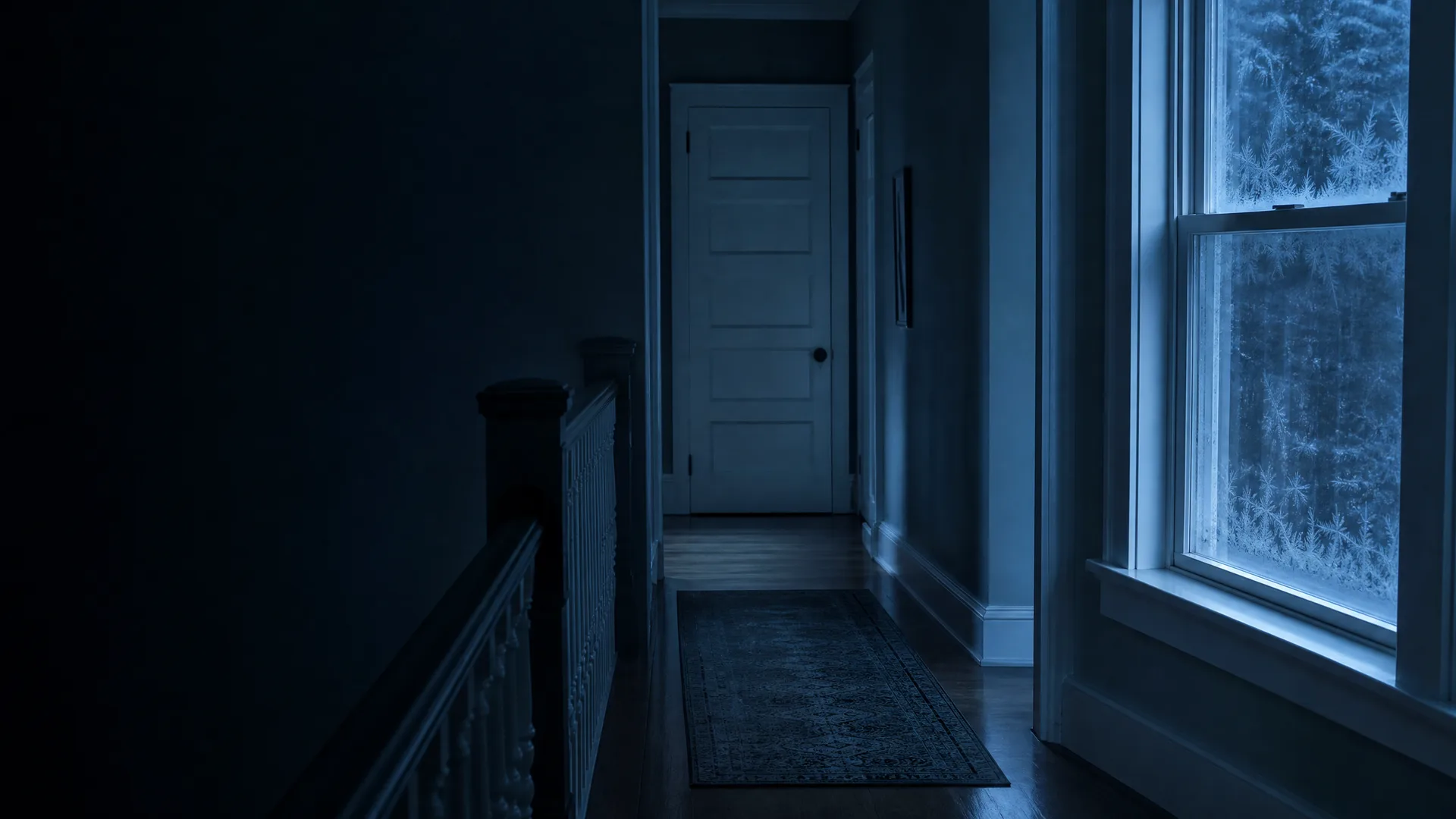
You're awake before you know why. The house is quiet, the kind of quiet that means it's late. You get up to check on the kids and the hallway floor is cold under your feet, colder than it should be. The vent by the window isn't moving any air at all. Outside the window frost has crept up from the corner of the glass, and the streetlight through it is the only light you've got. You stand there a second, waiting to hear the furnace kick back on. It doesn't. Somewhere behind you, faint, there's still that burned smell from earlier. It's 2 a.m. in January and your heat is off.
Winter nights average 27°F statewide
Nights here average 27°F through December, January and February, so your furnace runs long and hard most winter evenings. That strain falls on the heating elements, and it's why a burning smell shows up fastest on the coldest nights, not the mild ones.
NOAA nClimDiv 1991-2020 county normals weighted by homes
An electric furnace has no pilot light and no flame, so any burning smell is coming from the heating elements themselves or from dust that settled on them while they sat idle all summer.
That's why the smell either fades once the dust burns off, or it doesn't, and a smell that lingers past an hour or two means something in the furnace needs a licensed tech to look at it.
Hand off the search today
The pro who reaches out is licensed in Maryland.
One request and the search for a pro is handled.
You're not committing to anything by asking.


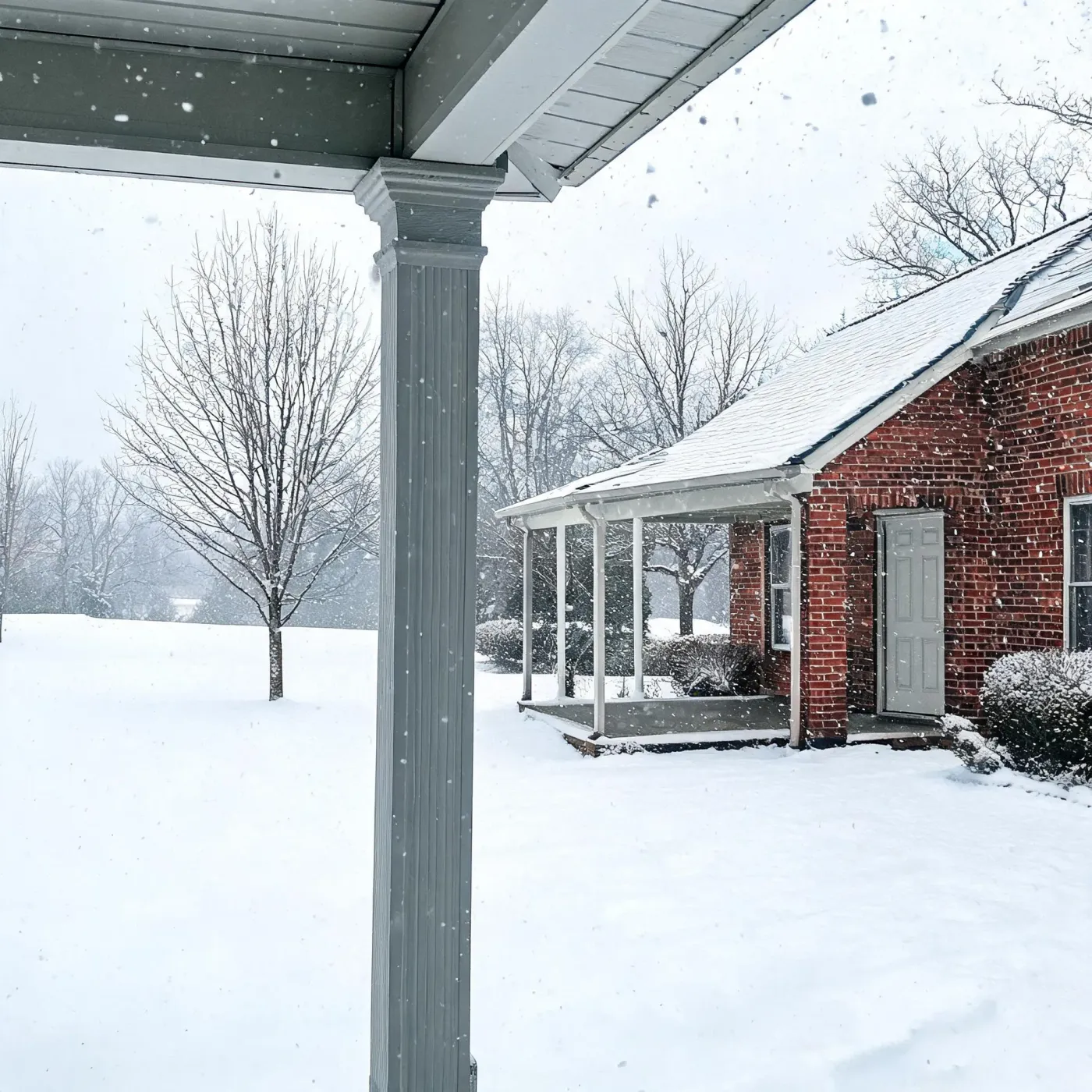
Statewide, winter nights average 27°F through December, January and February, according to NOAA climate data. That's cold enough that your furnace isn't cycling on and off anymore, it's running long stretches to keep up, and the heating elements stay hot for hours instead of minutes. Elements that run hot for that long are the ones most likely to scorch dust you can't see or start giving off a burning smell that doesn't fade. If the smell shows up on the coldest nights and not the mild ones, that's the furnace telling you it's working harder than it should.
NOAA nClimDiv 1991-2020 county normals weighted by homes
What are you noticing right now in your house
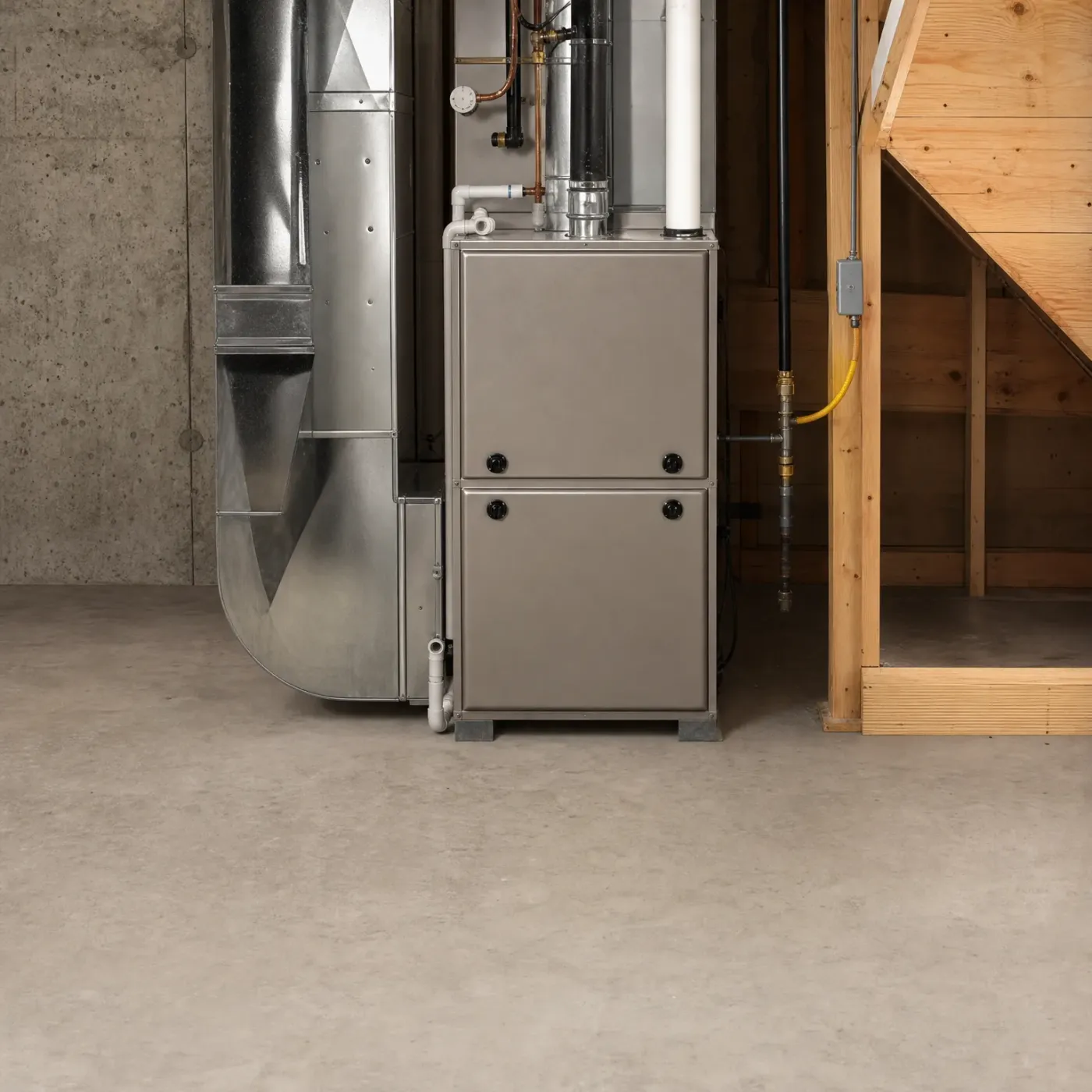
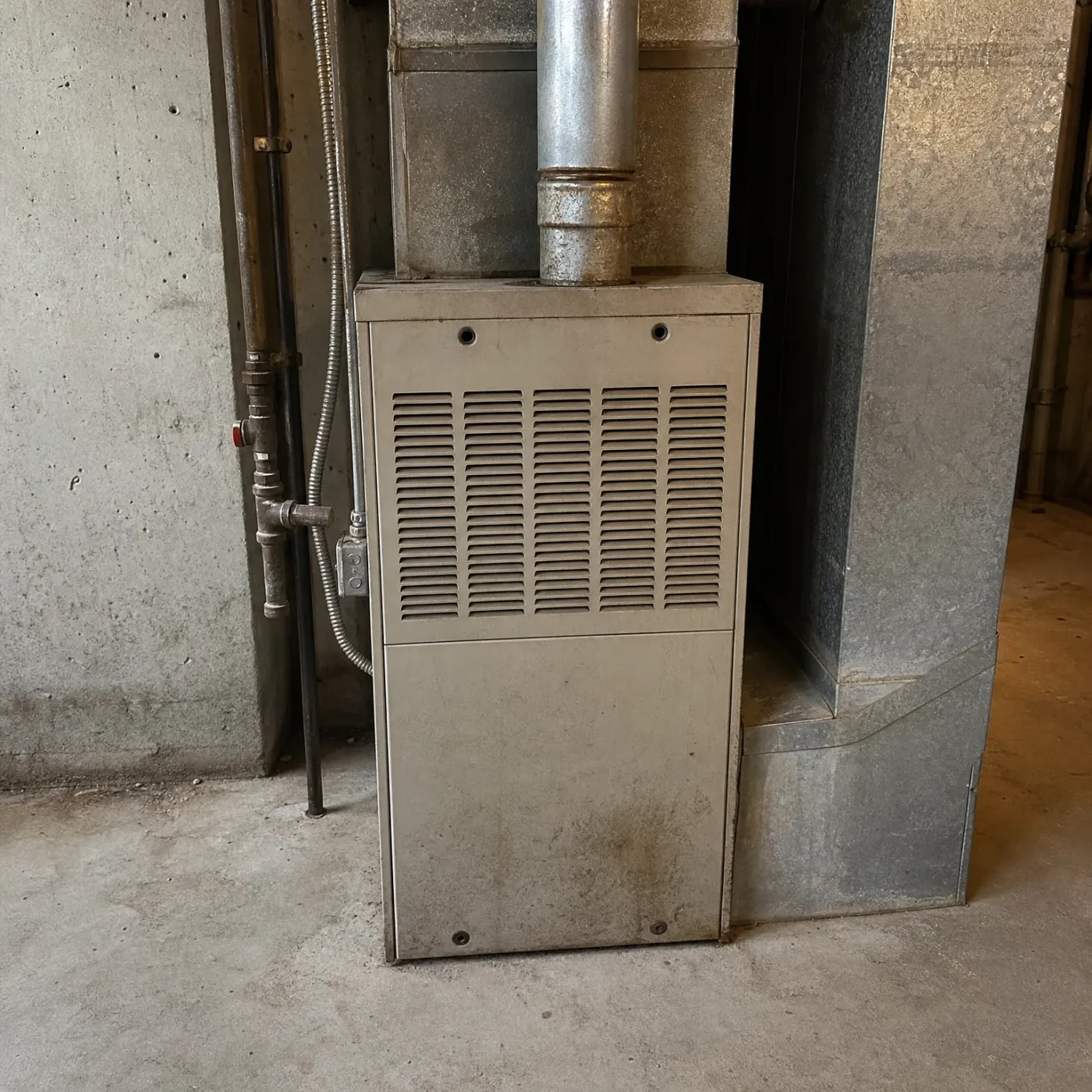
Walk through the rooms and check what the smell is doing. If it's faint and tied to the vents nearest the furnace, and it's easing off as the system keeps running, that's likely dust working its way off the elements. If it's sharper, or it's reaching rooms further from the furnace, or it's not letting up after a cycle or two, pay attention. You might also notice a thin haze near a vent, or the smell getting stronger right when the furnace kicks on rather than fading. A burning smell that doesn't clear on its own usually means something on the heating elements or the wiring needs a look before you run the furnace again, since electric heating elements that stay hot under strain are what's behind most of these smells once the dust is gone.
Let the furnace run it off
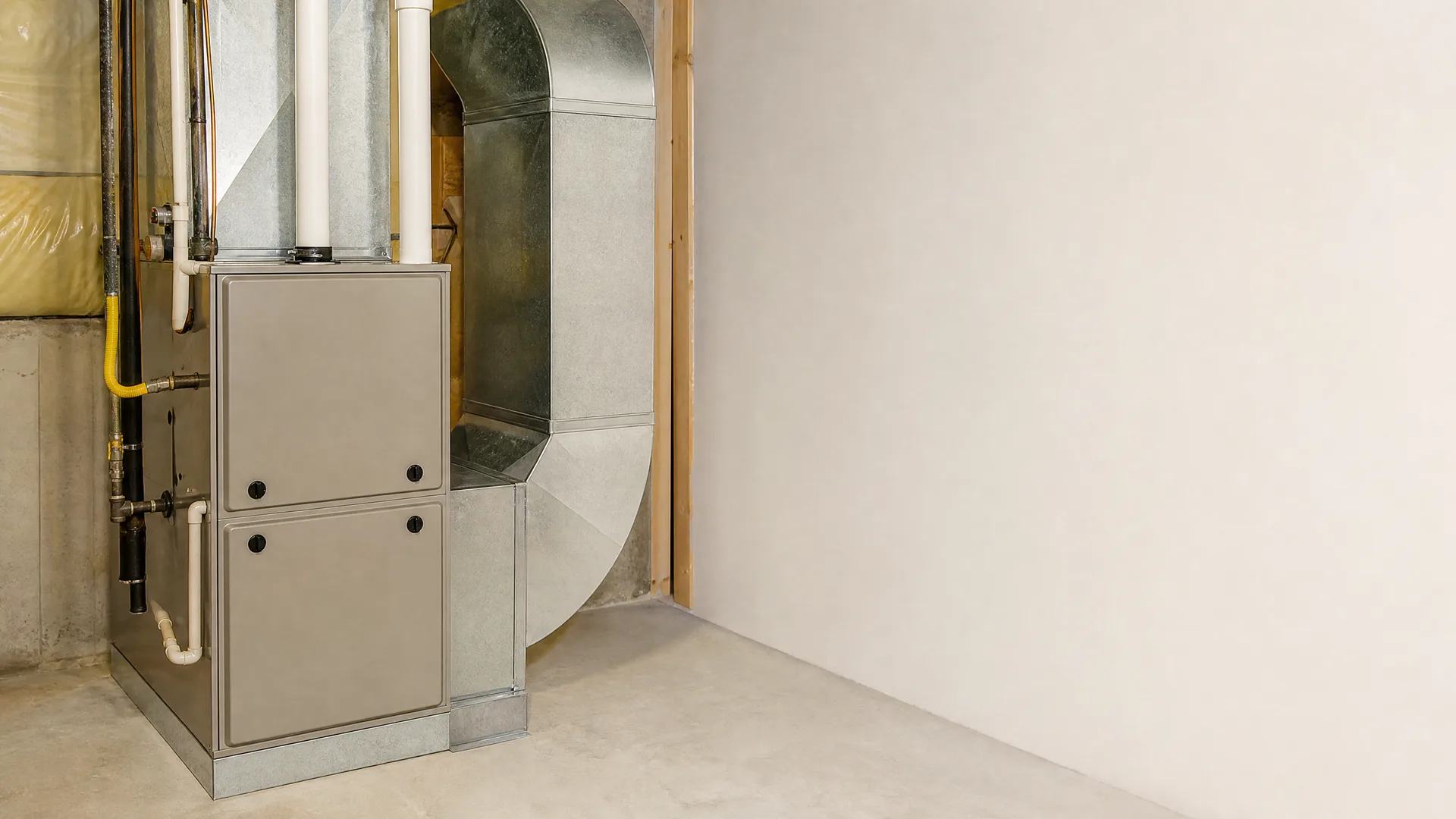
If the smell is faint and fading, let the furnace finish its cycle with a window cracked nearby. Dust on the heating elements burns off within an hour or two and doesn't come back once it's gone. You don't need to shut anything down for this. Check the room again after the cycle ends. If the air smells clean and the heat is coming through fine, the furnace did what it needed to do on its own.
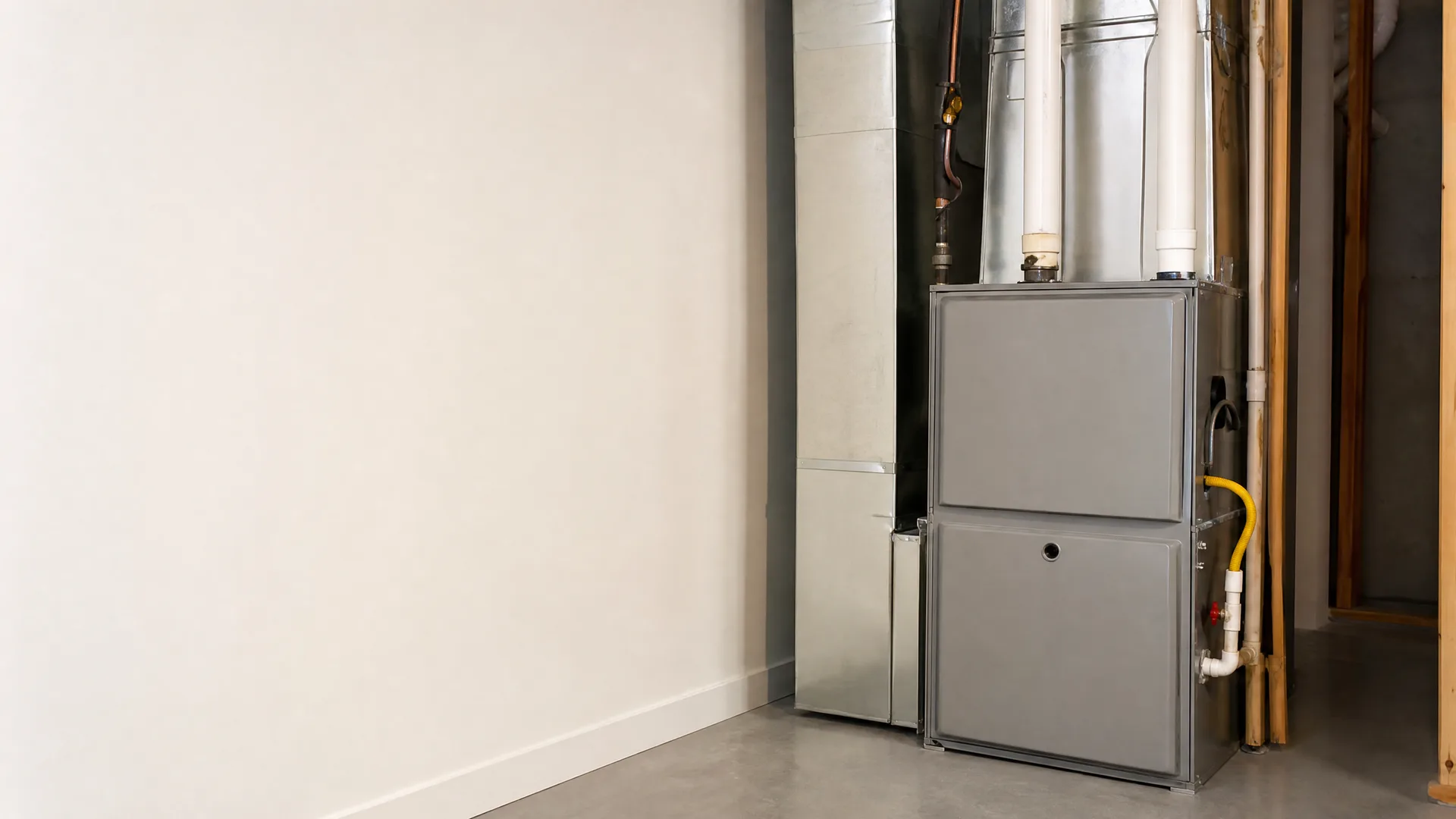
Shut it off and get it looked at
If the smell holds steady, gets sharper, or comes with anything that smells like burning plastic or wiring, turn the furnace off at the thermostat and don't run it again until someone's checked it. A heating element that's failing or a wiring issue won't fix itself by running longer. A licensed contractor who works on electric furnaces through a Maryland winter has seen this before and knows what to check first.
A burning smell that fades is dust leaving the heating elements. One that holds steady, or gets sharper, is something failing inside the furnace, and that's worth a second look before the next cold night runs it harder. You don't need to figure out which part it is. A licensed contractor local to your part of Maryland can get under the cabinet and tell you in minutes, because this is the equipment they work on all winter, every winter, and they've seen what usually goes wrong with it. You'll be matched with one contractor, not a handful calling and texting at once, so the person who shows up already knows what to check first. Electricity isn't cheap here, and a furnace running long stretches on a bad element or a failing part costs you more the longer it sits. Whatever the smell turns out to be, you'll know, and someone qualified will have looked at it.

Furnace Repair
Hand off the furnace problem

- Tell a local repair pro what your furnace is doing.
- Say what's going on with your furnace, and a pro who works on them reaches out.
- Send the request today and let a furnace pro reach out to you.
- Get the furnace repair search off your mind today.

- Answer a few questions instead of calling shop after shop.
- Describe your furnace job once, to one pro.

- Your request stays with one local pro.
- Your request goes to one pro, not a list of companies.