Why your furnace won't shut off in Maryland

Step 1 of 3: Equipment

A furnace that keeps running usually comes down to the thermostat not telling it to stop, or a part inside the furnace stuck in the "on" position. The most common cause is a bad limit switch, the part that senses the air temperature inside the furnace and shuts the burners off once the blower has moved enough heat out. When it fails, the furnace reads the room as never warm enough and just keeps firing. A clogged filter can cause the same thing by choking off airflow until the furnace overheats and the switch misreads what's happening. Thermostat wiring that's come loose or shorted can also hold the call for heat on even after the house is warm. Left alone, a furnace that won't cycle off runs up a bigger electric bill fast, since most homes in Maryland heat with electricity and power here isn't cheap. It can also mean parts inside the furnace are wearing down faster than they should.

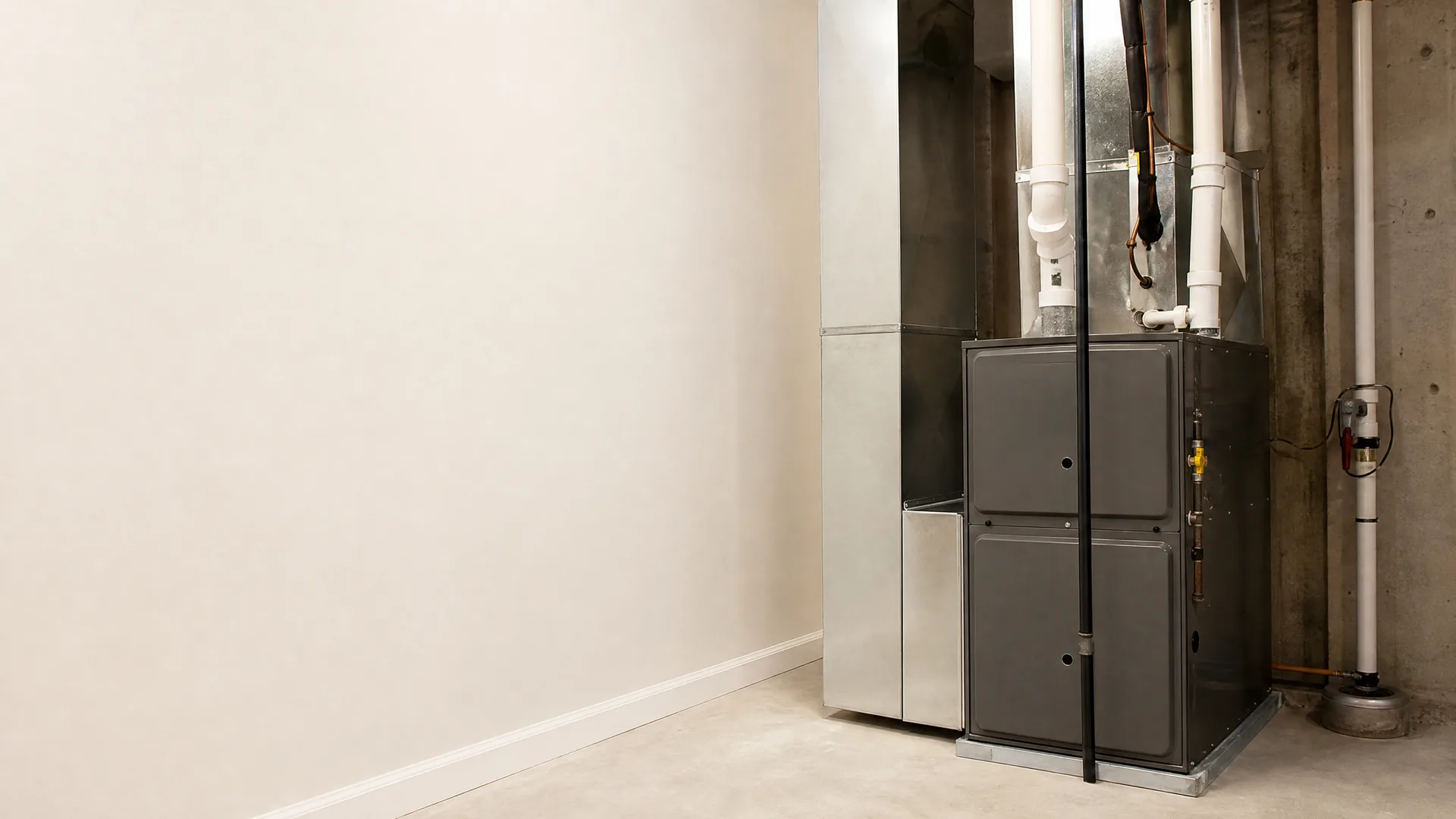
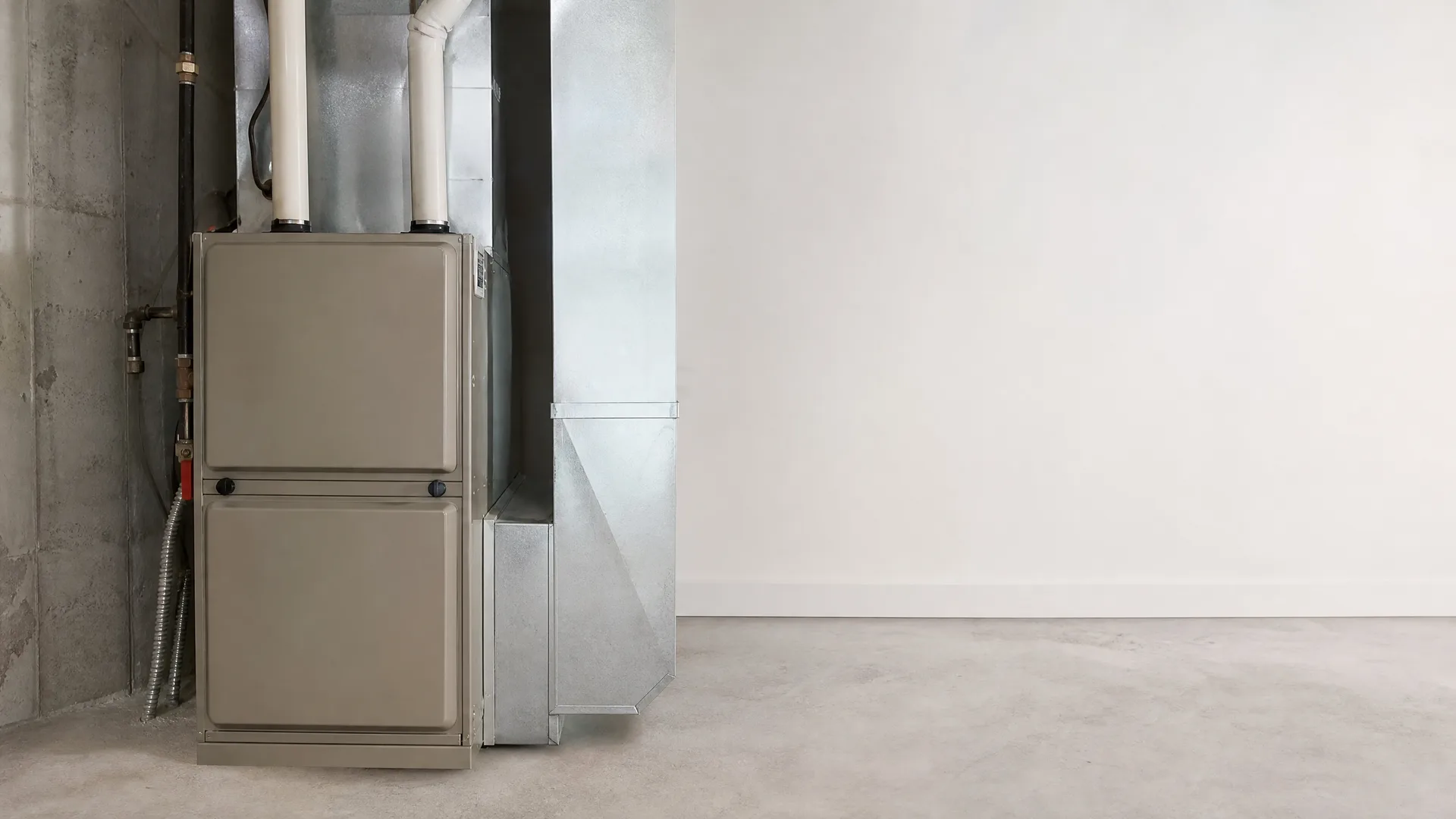
A beige high-efficiency furnace with two white PVC pipes stands beside sheet-metal ductwork and a concrete wall in an empty basement with a bare light-colored wall and concrete floor.

The limit switch and heat buildup

The limit switch sits near the plenum and reads the air temperature inside the furnace cabinet. When that air runs too hot, the switch is supposed to cut power to the burners while still letting the blower run. If the switch has failed stuck closed, the furnace reads as needing heat even after the house is warm, and it keeps firing. A failing switch can also mean restricted airflow, often a dirty filter choking what the blower can pull through.

A gray furnace with sheet-metal ductwork and white PVC vent pipes stands in the corner of a finished basement room with a blank beige wall and concrete floor.

What runs the bill up

Most homes in Maryland heat with electricity, and a furnace that won't cycle off runs the blower motor and the heating elements or burners far longer than a working thermostat would call for. Electricity here isn't cheap, and a furnace stuck on can run for hours past when the house already hit the set temperature. The longer it runs past that point, the more it costs, and the part causing it rarely fixes itself.

Why does my furnace blower keep running even after the house is warm?

Your house has hit the set temperature, the thermostat screen shows it, and the blower is still pushing air through the vents. In Maryland, with electric heat running most homes and power costing what it does, a blower that won't stop is money moving through the ducts for no reason. You want to know if that's the furnace doing something wrong or just how it's supposed to work for a while longer.

The fan switch is holding the blower on past the point it should turn off

Inside the furnace, a fan switch (sometimes called a fan control board) decides when the blower starts and stops, separately from the burners. It's supposed to keep the blower running a few minutes after the burners shut off, long enough to push the last of the heat out of the cabinet and into your rooms. That's normal. What's not normal is a blower that keeps going well past that, cycling for no reason you can see on the thermostat. That usually means the fan switch itself has failed, or the limit switch nearby is stuck and telling the board the air is still too hot to stop moving, even once your house is comfortable.

A dim unfinished basement with concrete walls, exposed floor joists, a small window, and a furnace connected to metal ductwork and PVC venting.

It's just past six on a November evening, already full dark outside. You go down to the basement to grab something off the shelf by the furnace, and the room is quiet in a way that stops you. The furnace sits dark. No hum, no blower, nothing. A thin haze of dust hangs in the air near the cabinet, lit sideways by the bulb overhead, the kind you only notice when nothing is moving to stir it. Upstairs the thermostat still reads the number you set that morning. Down here, the burners are cold and the air coming off the ducts has gone still.

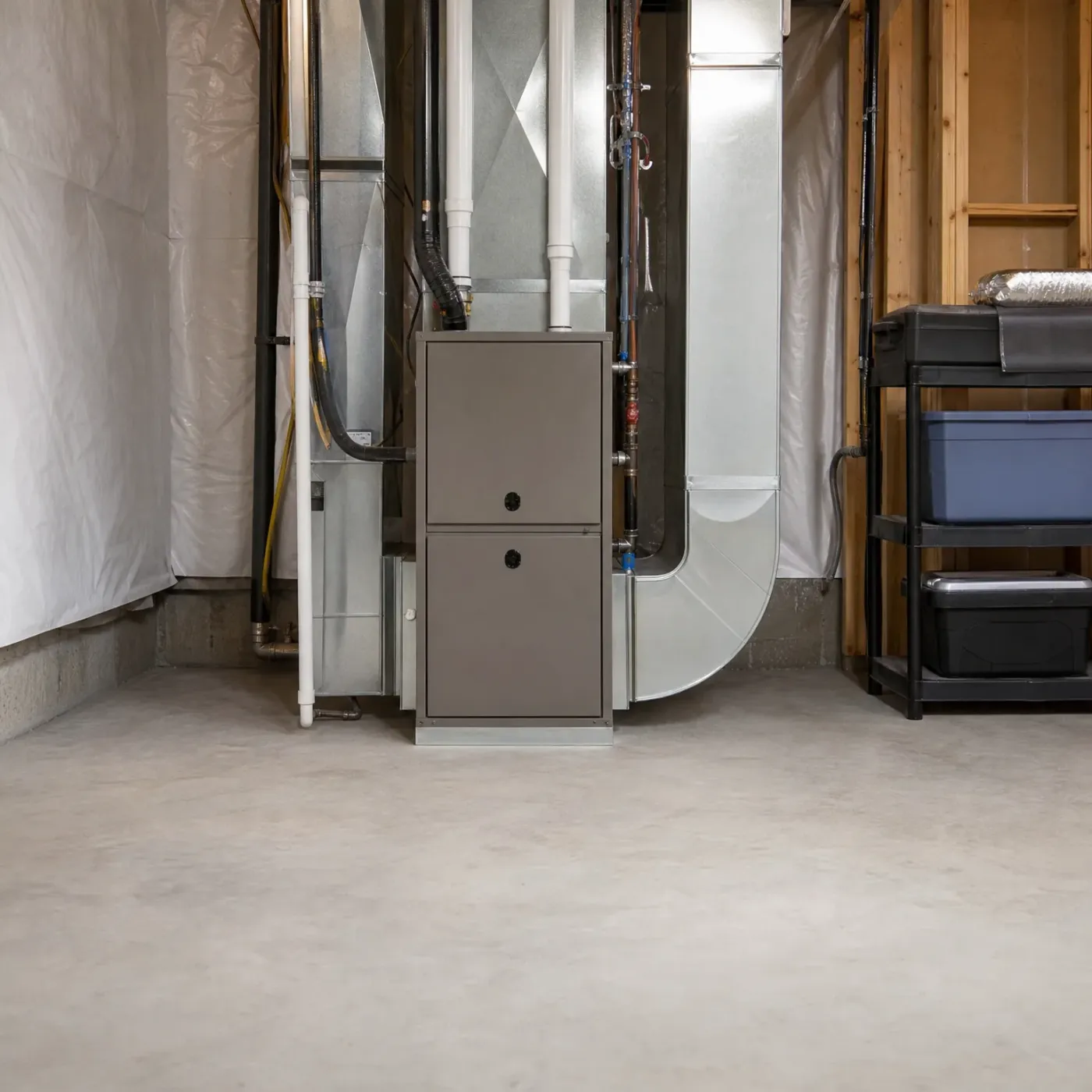
A basement utility area with a gray furnace, sheet-metal ductwork, pipes, plastic-covered walls, a concrete floor, and a black shelving unit holding storage bins.
A furnace drawing clean air through tight ductwork, with a limit switch doing its job and shutting the burners off on schedule.
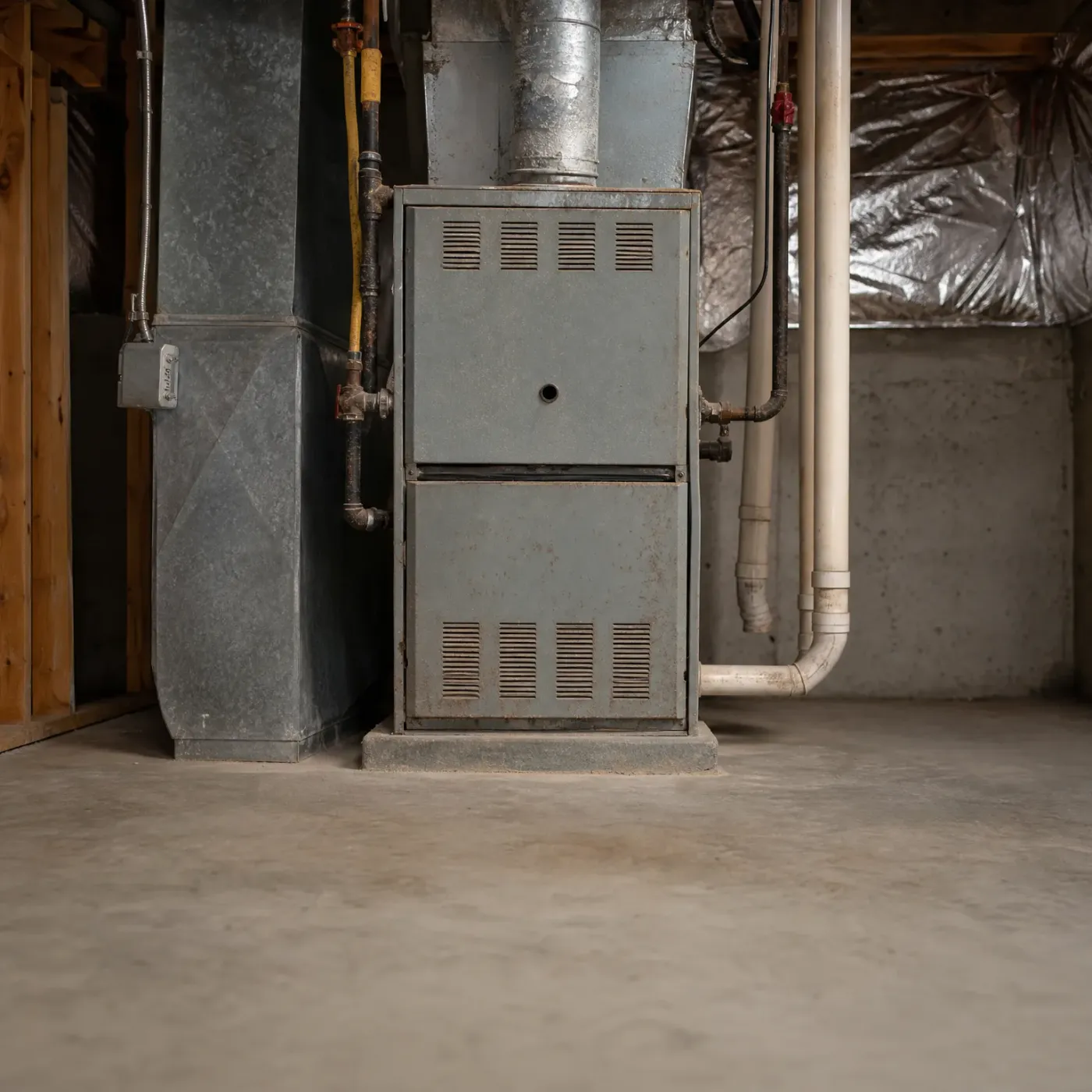
A gray metal furnace with louvered vent panels stands on a concrete basement floor beside galvanized ductwork, gas and plastic pipes, and foil-faced insulation along the ceiling and wall.
A rusted furnace cabinet is the kind that's run hot for years, and a stuck limit switch on a unit like this can mean a cracked heat exchanger.
  1. Thermostat calls for heat and signals the furnace to start.

  2. Igniter glows and the gas valve opens to light the burners.

  3. Blower pushes air across the heat exchanger and into the ducts.

  4. House reaches the set temperature and the thermostat ends the call.

A smiling man in a navy long-sleeve shirt sits at a wooden table in a kitchen and dining area, with a ceramic mug, a potted plant, and a sliding glass door behind him.
A smiling bearded man in a green henley shirt stands at a kitchen island with a gray mug, looking off to the side, with a dining area and shelves blurred behind him.
A smiling bearded man in a navy sweater sits at a white kitchen island with a ceramic mug, with open shelves, potted plants and a range hood behind him.
A smiling man in a dark olive long-sleeve shirt sits in a kitchen beside a counter with a dark mug, with a dining table, sideboard and hallway visible in the blurred background.
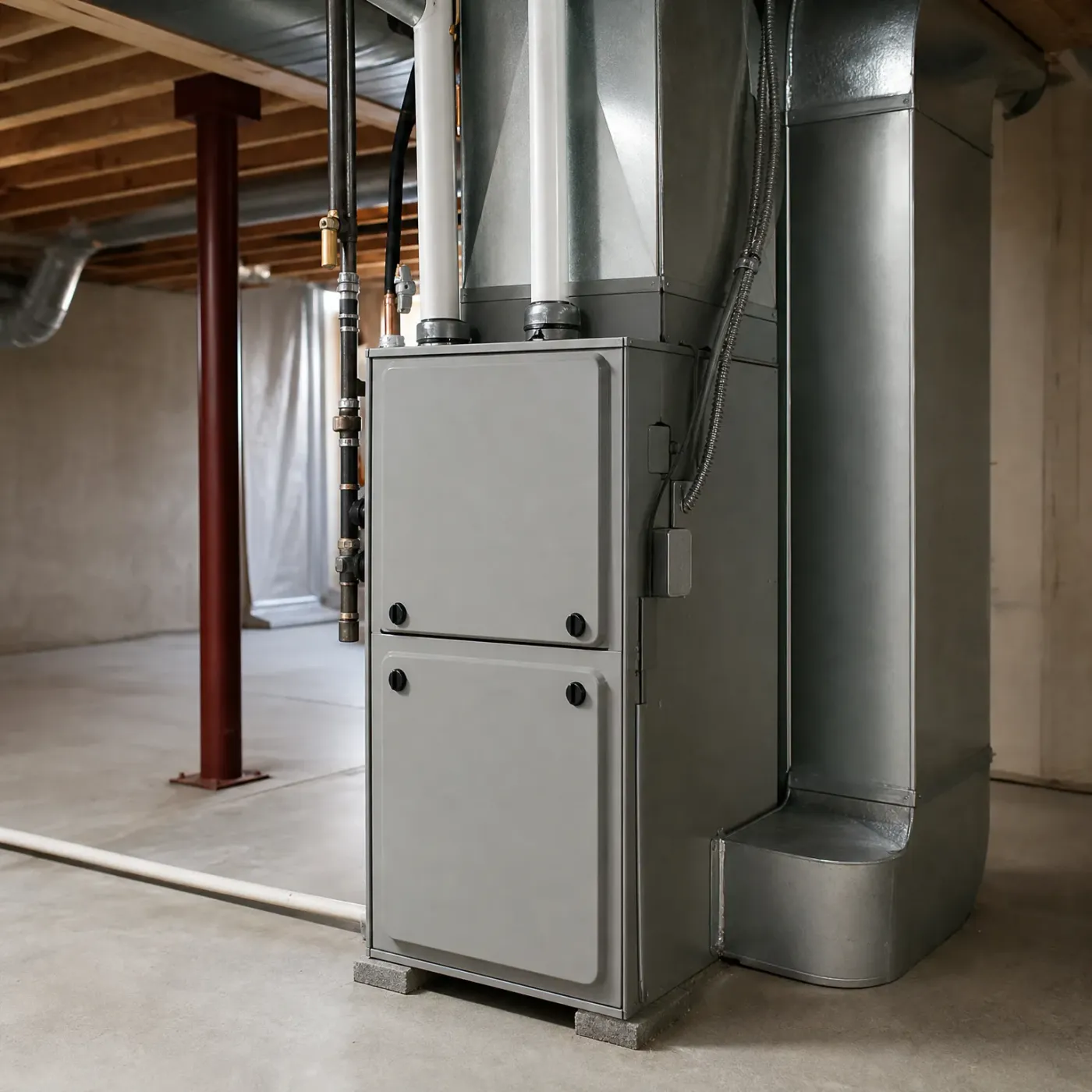
A gray high-efficiency furnace with two access panels stands on blocks in a basement, connected to sheet-metal ductwork, PVC vent pipes, flexible conduit, and gas and water piping, beside a red support column and exposed wood joists.

One request and it's handed off

Describe what your furnace is doing once, in one form.

After this form, you can stop searching for a furnace pro.

Skip the search

Sending the form costs nothing.

What are you noticing right now in your house

You've probably caught it already. The furnace running long past when the house feels warm enough, or never shutting off at all, just that steady hum from the basement all day and night. Maybe you've gone down and touched the cabinet and it's hotter than usual. Maybe the air coming out of the vents upstairs feels weaker than it should, or you've noticed a burnt smell that wasn't there before. With electric heat running most Maryland homes, a furnace that won't cycle off is pulling power the whole time it runs, and that shows up on the bill fast. Left alone, a stuck limit switch can mean a cracked heat exchanger underneath it, which is a bigger repair and a real safety concern.

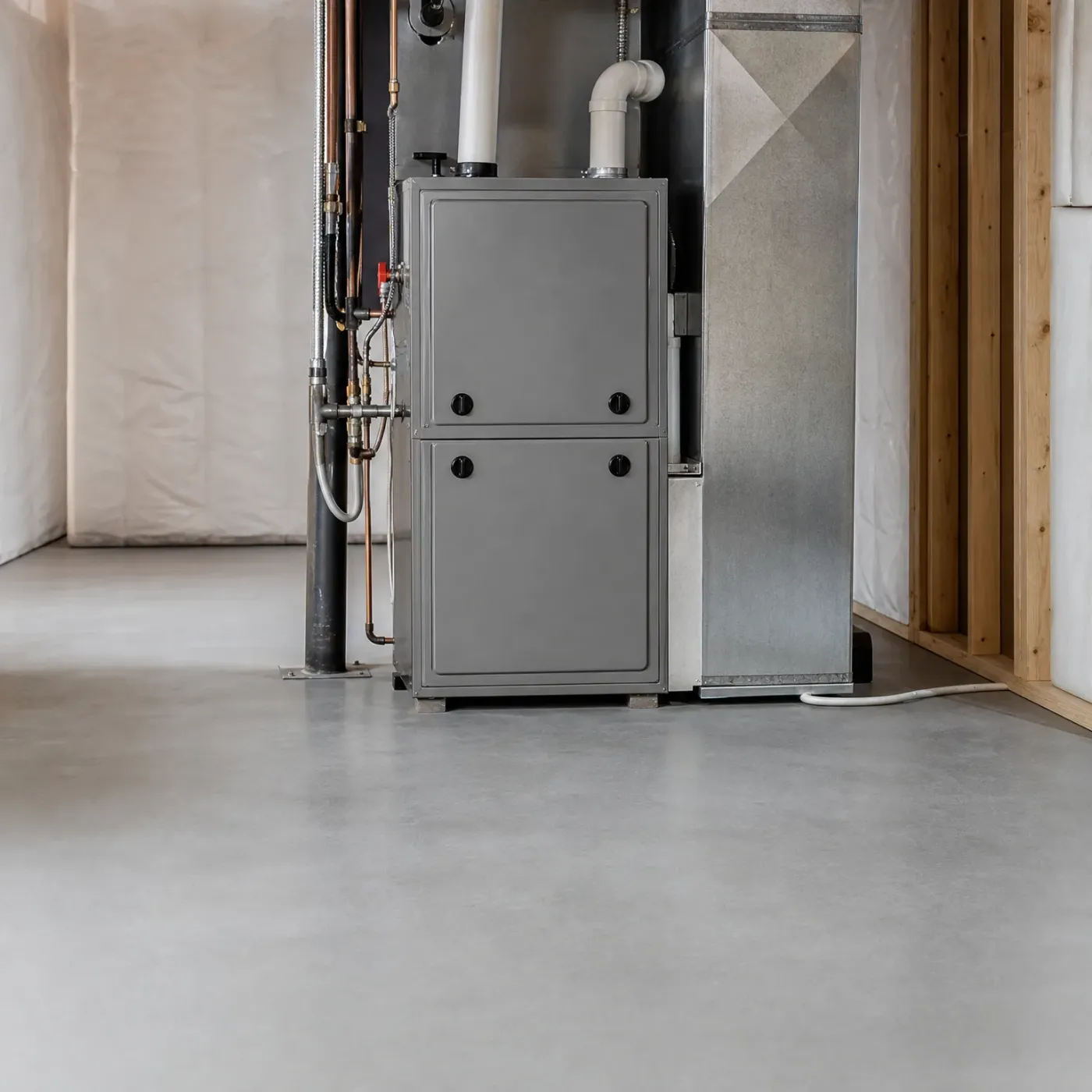
A gray furnace with white PVC vent pipes stands beside sheet-metal ductwork in a basement with a smooth concrete floor, exposed wood framing, and plastic sheeting on the walls.

Running the way it should

This is a furnace cycling normally. The cabinet is clean, the flue and condensate lines run straight, and the gas piping is tight against the wall. It fires, heats the air, and the limit switch lets it shut off once the house hits temperature.

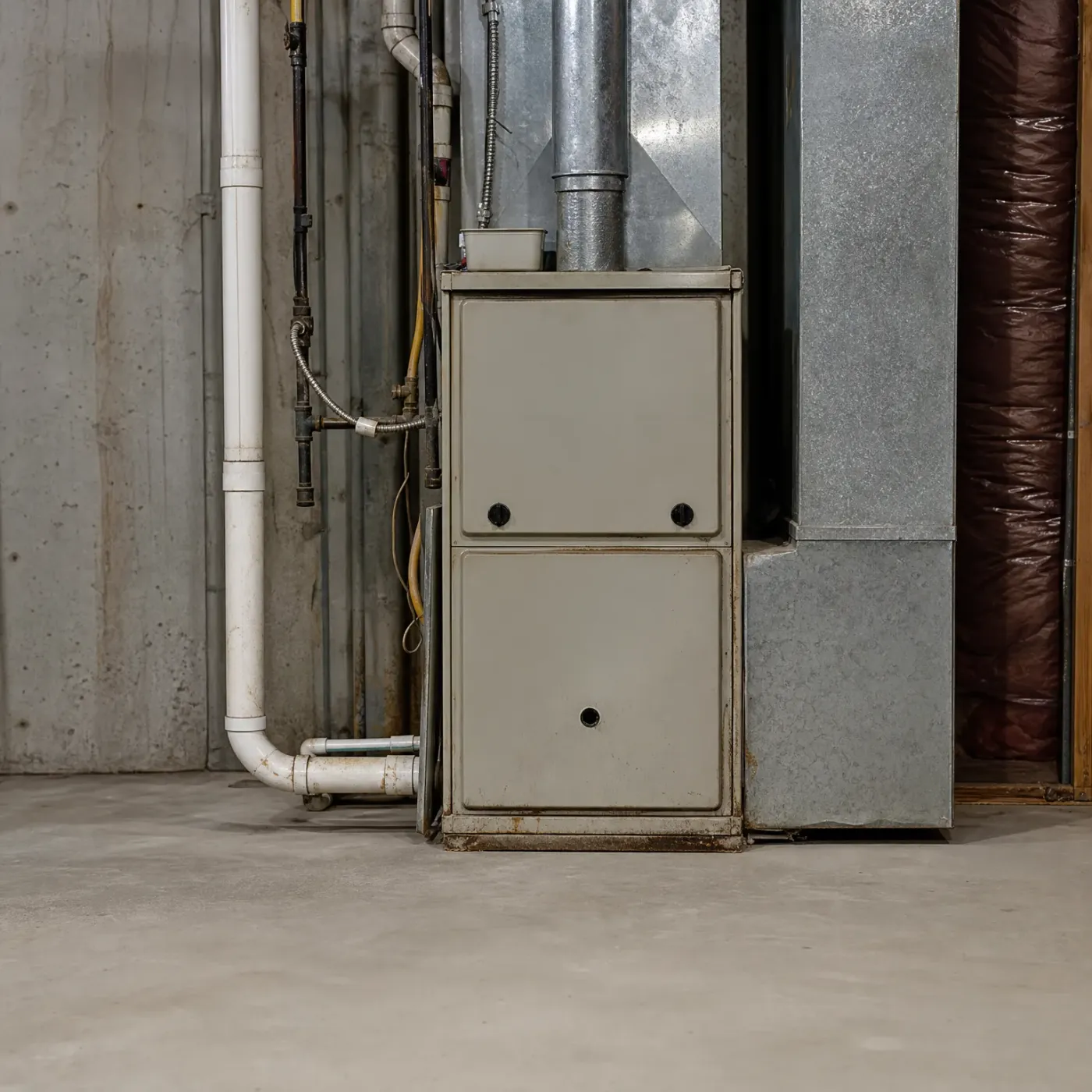
A beige furnace with two access panels stands against a concrete basement wall, with galvanized sheet-metal ductwork, a white PVC pipe, flexible conduit and insulated ducting around it.

Running when it shouldn't

Rust on the cabinet and a flue pipe that's seen years of heat point to a furnace that's been running hotter and longer than it should. On a unit like this, a stuck limit switch can mean more than a bad part. It can mean the heat exchanger underneath has been taking the damage.

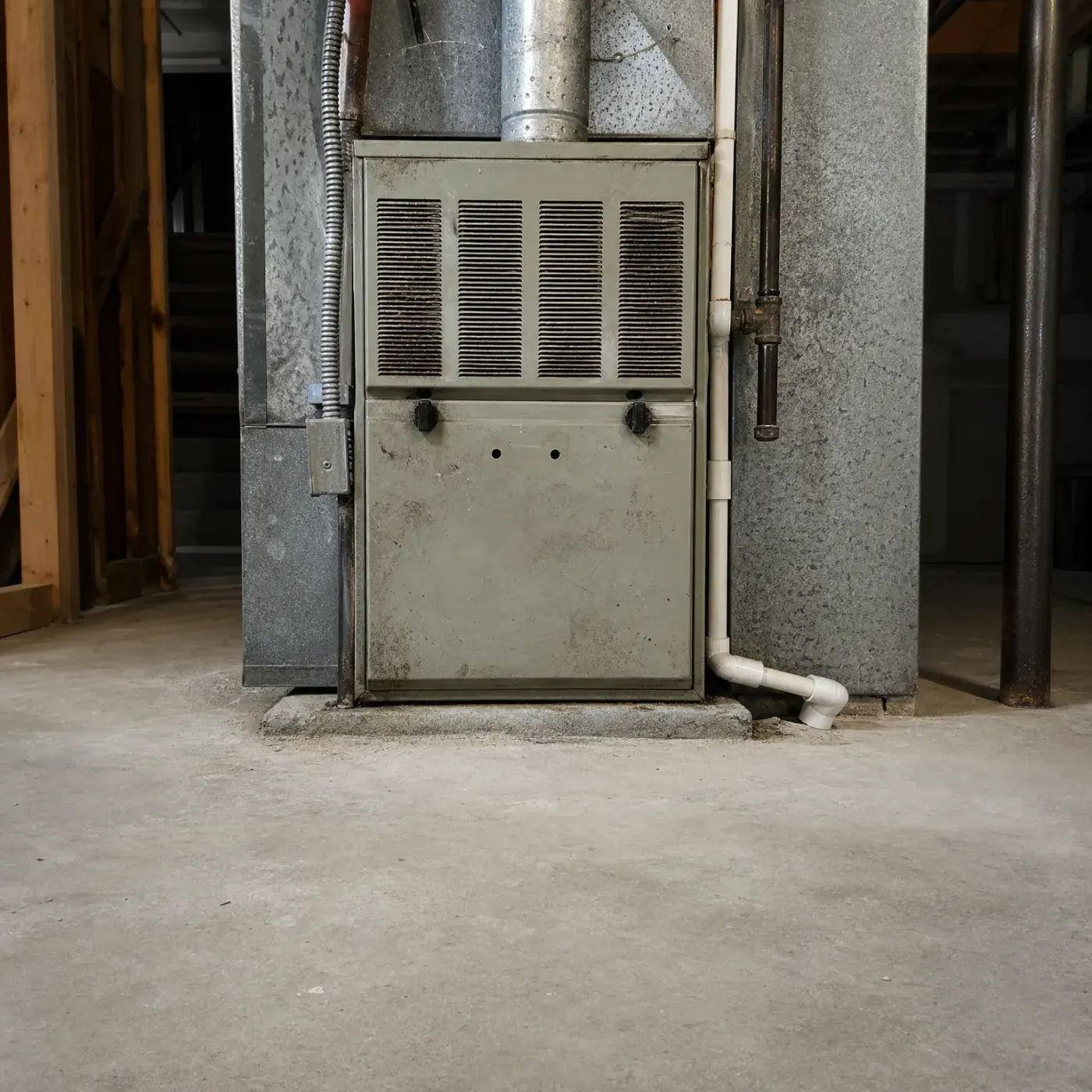
A gas furnace with a louvered upper panel stands on a concrete pad in a basement, flanked by sheet-metal ductwork, white PVC and metal pipes, and insulated columns.
Before you get your furnace repair
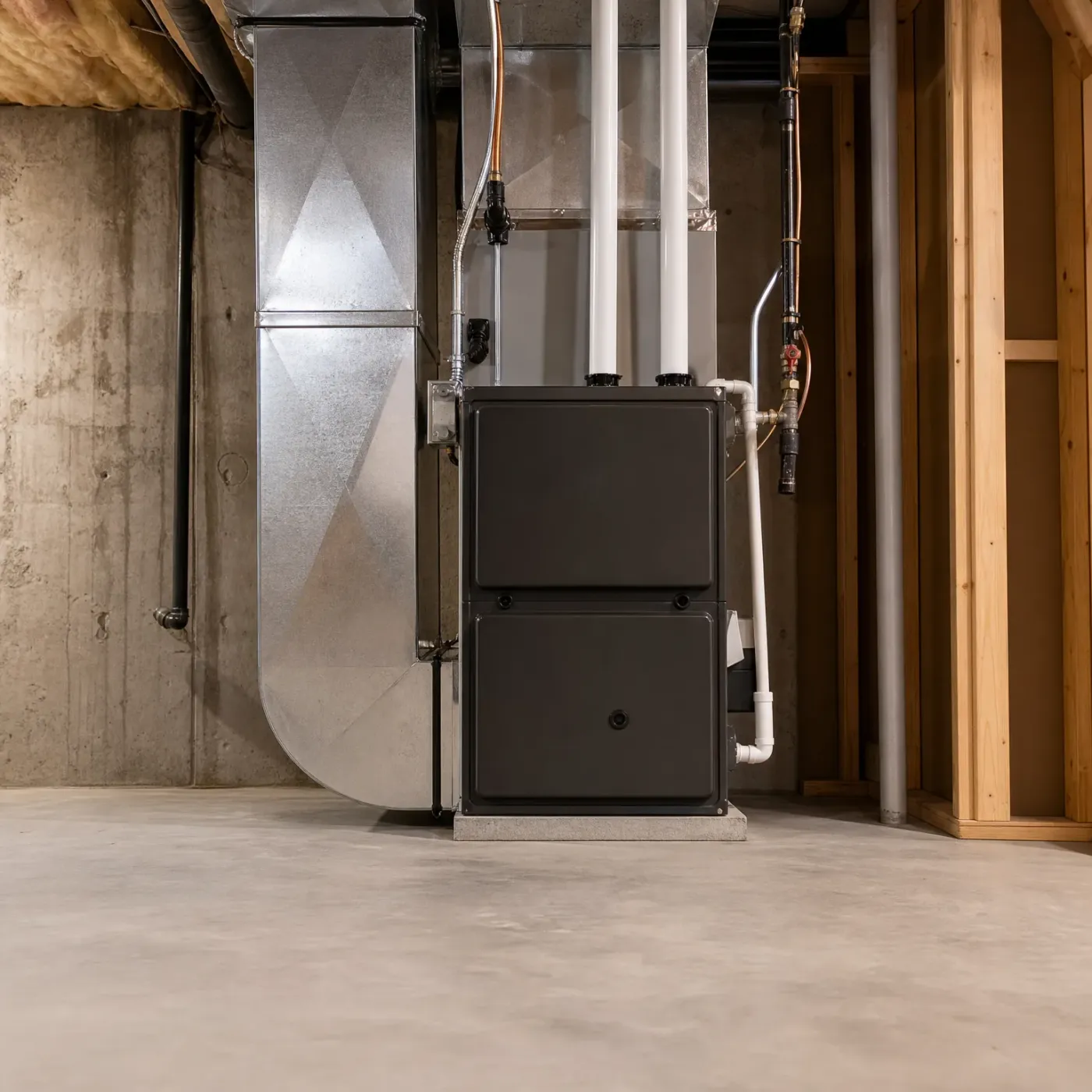
A dark high-efficiency furnace on a concrete pad in a basement, connected to galvanized ductwork, white PVC vent pipes, and copper and black gas piping, with concrete walls and wood framing nearby.
After you get your furnace repair
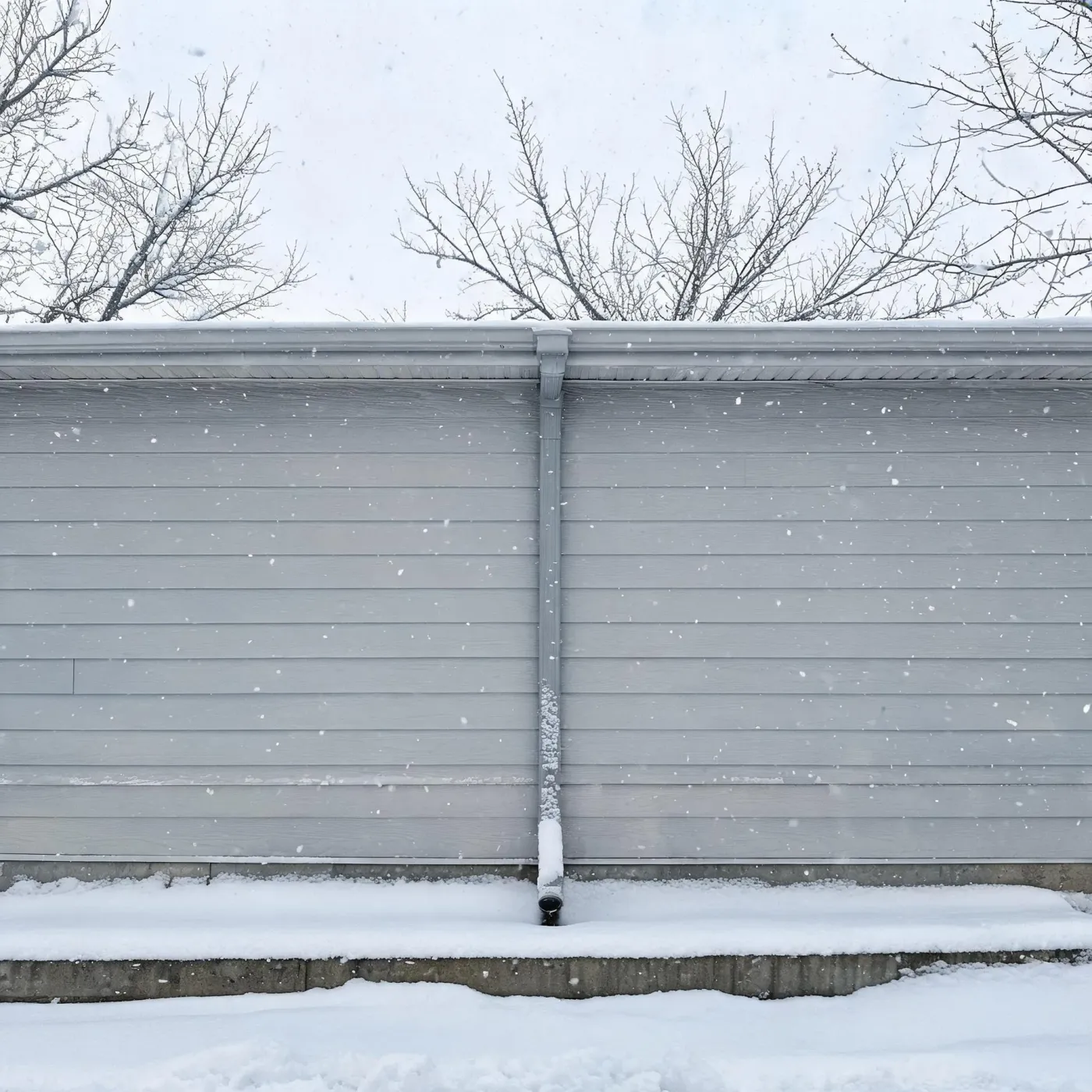
Gray horizontal lap siding on a building wall with a central downspout, seen during falling snow, with snow-covered ground and bare tree branches above the roofline.

Statewide, winter nights average 27°F, cold enough that your furnace is working most of the night to hold the house at temperature. A limit switch that's stuck or reading wrong doesn't get a break on a night like that. It either keeps the burners firing well past when the thermostat is satisfied, or it shuts the burners down and leaves the blower running cold air through the vents until someone notices. With most Maryland homes heating on electricity and power priced the way it is here, a furnace that won't cycle off is pulling current the whole time it runs, not just when it's actually heating the house. Source: NOAA climate normals.

NOAA nClimDiv 1991-2020 county normals weighted by homes

A closed silver laptop and a glazed ceramic mug on a wooden table, with a blurred kitchen counter, potted plant, cutting board and window in the background.

A furnace that won't shut off needs a look, not a guess

A furnace that keeps running past the point it should have shut off is telling you something specific: either the thermostat isn't signaling it to stop, or the limit switch inside the cabinet is stuck or misreading the air. Either way, it's not a problem that fixes itself by waiting it out, and on a cold Maryland night that furnace is going to keep running until someone opens the cabinet and finds out which one it is.

You don't have to be the one who finds a contractor for this. No scrolling through listings, no calling three or four companies to ask if they even work on furnaces, no explaining the same thing about the blower and the thermostat to each one, no sitting on quotes trying to guess which is fair. Send the form once and that part of it is off your plate. What's left is the actual repair, and that's for whoever shows up to figure out.

A wooden table holding a stone vase with a bare branch, two stacked books and a small dark bowl, beside a window with green foliage outside and a sofa in the dim background.
A man in a blue T-shirt sits on a light gray sofa, laughing while looking at an open laptop in the foreground, with a framed picture, lamp and potted plant behind him.
A bearded man in a blue and brown plaid flannel shirt stands indoors looking out a window at snow-covered trees, with a ceramic mug on the windowsill.

Done looking for a furnace pro

A furnace that won't shut off is either a thermostat problem or a limit switch problem, and either way it needs a contractor in the cabinet to know which. Send the form and the search ends there: no calling around, no explaining the stuck burners to three different companies, no sorting through quotes while the blower keeps running. Electric heat already costs enough in Maryland without a furnace that won't quit. Get a contractor looking at it.

Hand it off

Answer a few questions instead of calling shop after shop.

You're not committing to anything by asking.