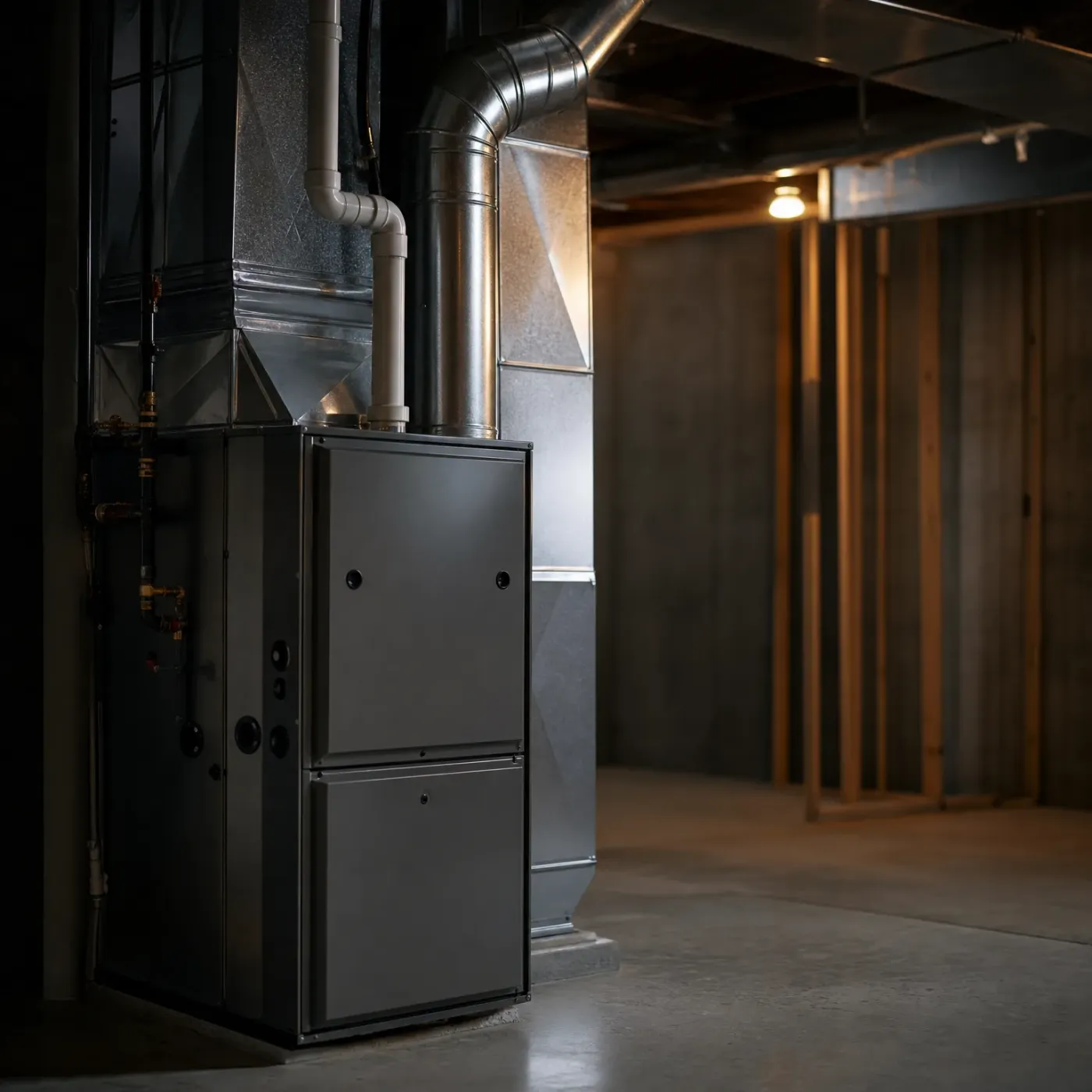
Hand off the furnace problem
Why your furnace won't turn on in a Maryland winter
Most homes in Maryland heat with electricity, and when the furnace won't start on a cold night, it's rarely a mystery once someone looks at it. A bad igniter, a tripped limit switch, a thermostat wiring issue. This page walks through why it happens. Send the form and the search for who can fix it is off your plate.
Hand it offA furnace that won't turn on usually comes down to one of a few things. The igniter can fail and stop lighting the burners at all. A flame sensor coated with residue will tell the system to shut off even though gas is flowing. A limit switch can trip if airflow is restricted, often by a clogged filter, and that switch is there to stop the furnace from overheating. If yours runs on electric heat, which most homes in Maryland do, a tripped breaker or a bad relay can leave it dead with no warning at all. The thermostat itself is sometimes the real problem, especially if the wiring or batteries have failed and it isn't sending a call for heat in the first place. On a cold night none of this needs to stay a mystery. Once someone opens the panel and checks the parts in order, the actual cause is usually obvious within minutes.
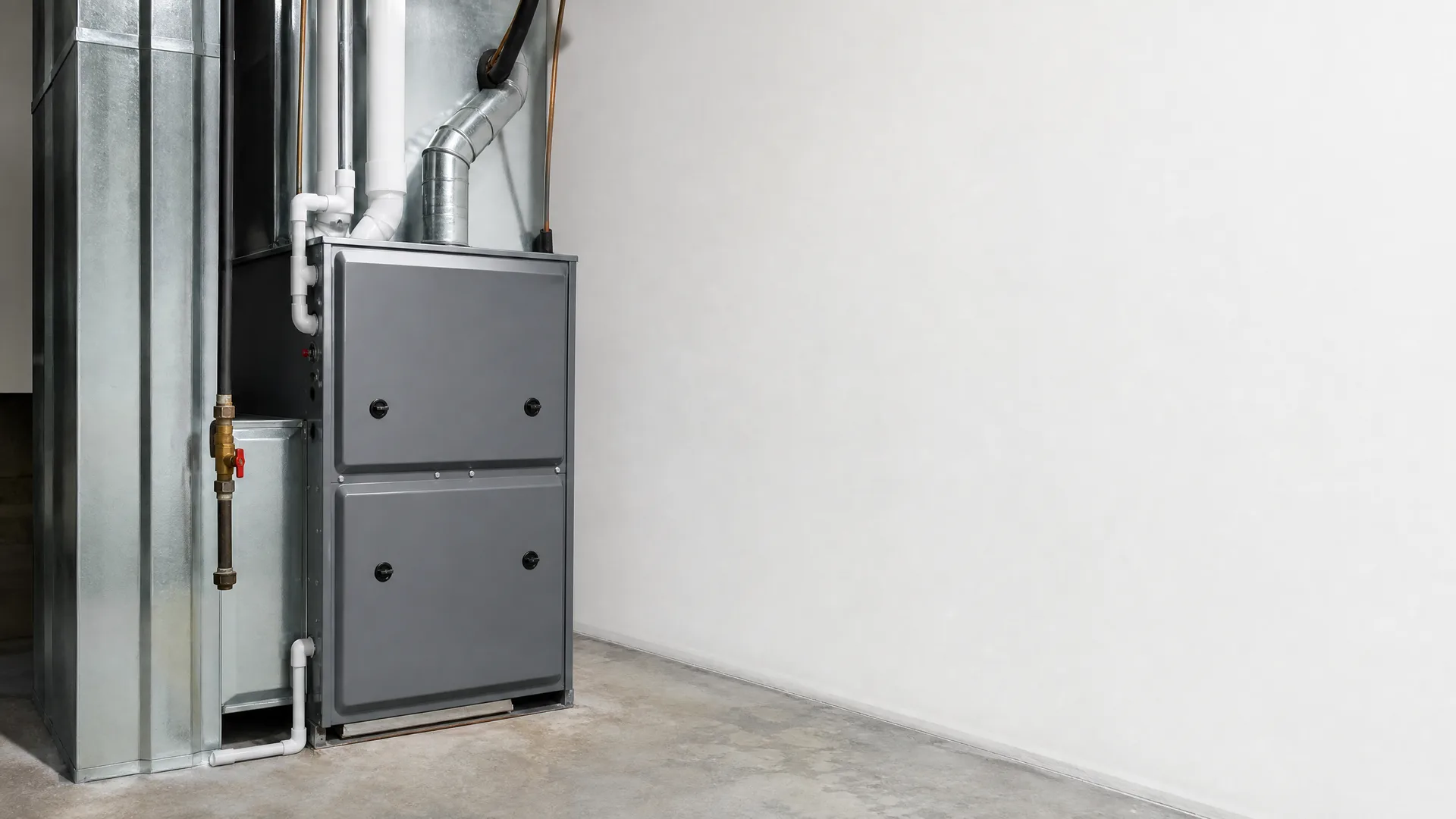
Electric furnaces fail differently
Most furnaces in Maryland run on electric heat, which means there's no pilot light and no gas valve to blame. The heating element itself can burn out, or the sequencer that brings the elements on one at a time can fail and leave the blower running with no heat behind it. A breaker that trips once under load can also keep tripping until someone finds why.
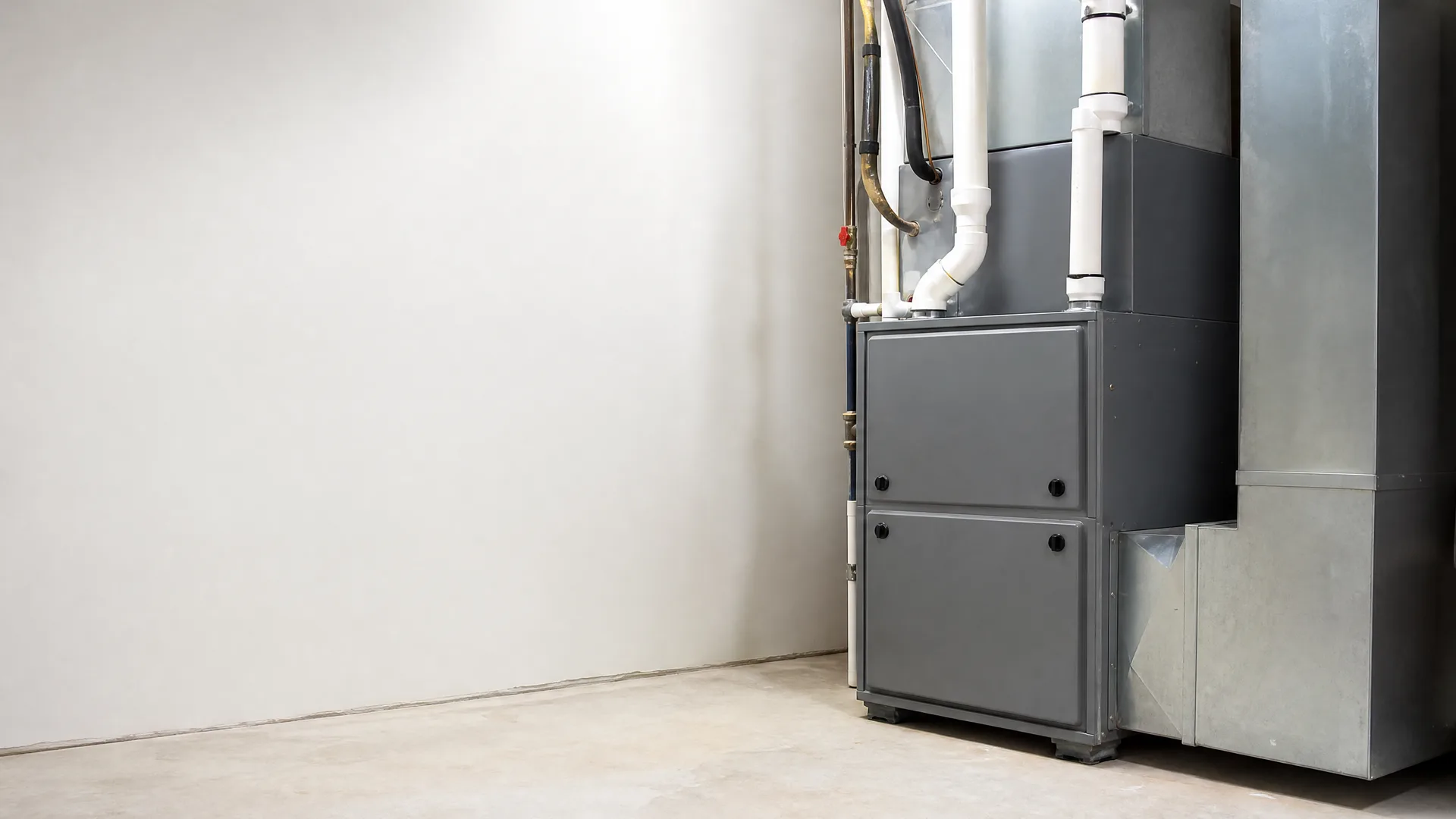
The thermostat is worth checking first
Wiring between the thermostat and the furnace can work loose over years of use, and a loose wire at either end will keep the furnace from getting the signal to start. Some thermostats also run on batteries separate from the furnace, and a dead battery reads as a dead furnace. Before anything gets taken apart, the thermostat is the cheapest thing to rule out.
Is your house colder than the thermostat says it should be
You set the thermostat and the air coming out of the vents is barely warm, or there's no air at all. Maybe you hear the blower run but never feel heat follow it. Maybe you hear it click and try, then go quiet. Some rooms are cold while others still get a little warm air, or the whole house just isn't holding the temperature you set. With electric heat, none of this comes from a gas smell or a pilot light out, so it's easy to assume the thermostat is wrong before you realize the furnace itself isn't producing heat. Left alone on a cold Maryland night, that gap between the setting and the actual temperature in the house keeps growing, and pipes in unheated areas are what takes the risk first.



Send one request and you're done looking
A furnace that quit on a January night in Maryland does not wait for a convenient hour, and most people do not know an electric furnace well enough to tell a bad sequencer from a tripped limit switch. That takes someone who works on this equipment all winter and has seen what usually gives out first. Send the request and it goes to one licensed contractor local to you, not a batch of companies competing for the job, so you are not fielding five calls while your house gets colder. From there, finding someone to look at it stops being something you have to manage. You still have a cold house tonight, but you no longer have to be the one tracking down who can fix it.
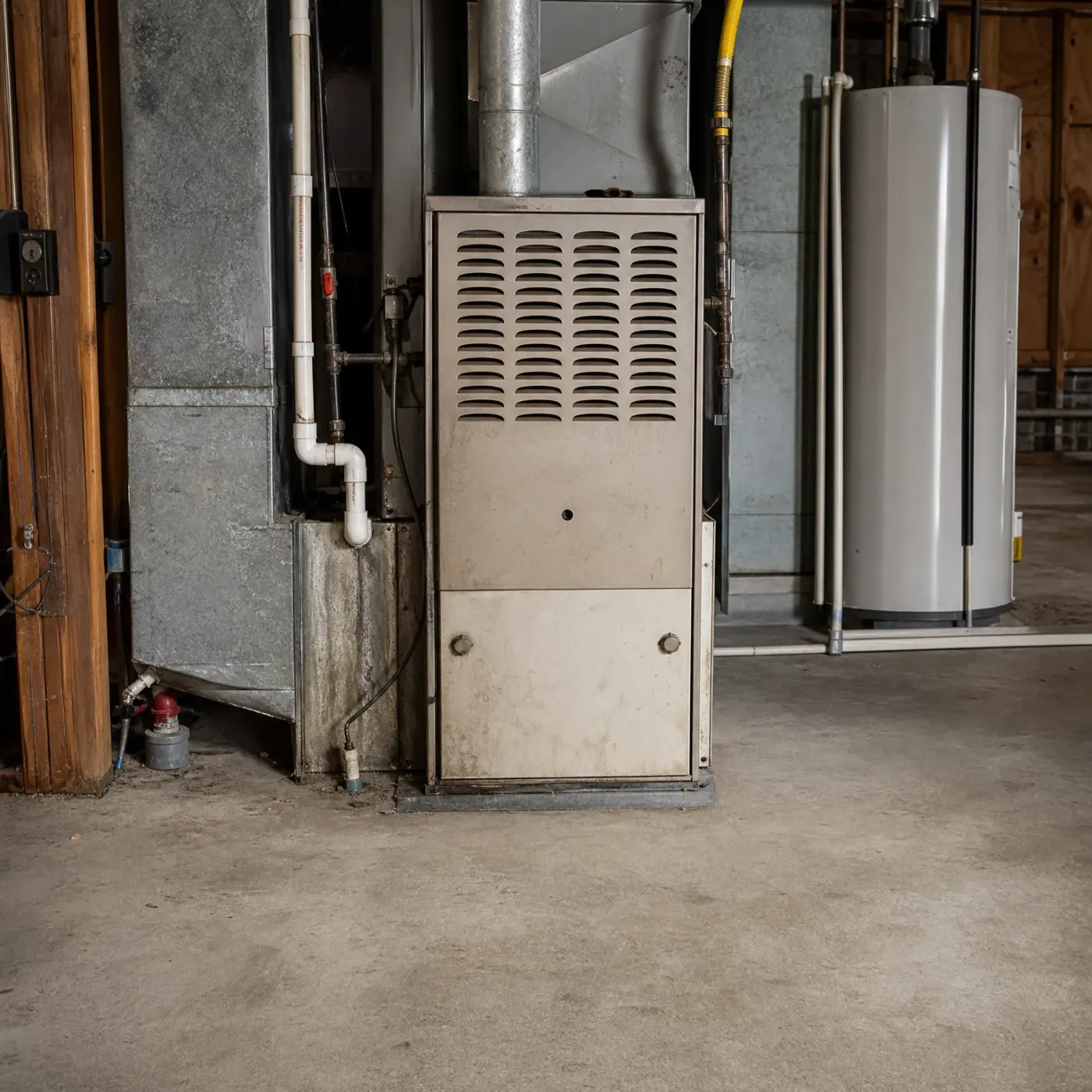
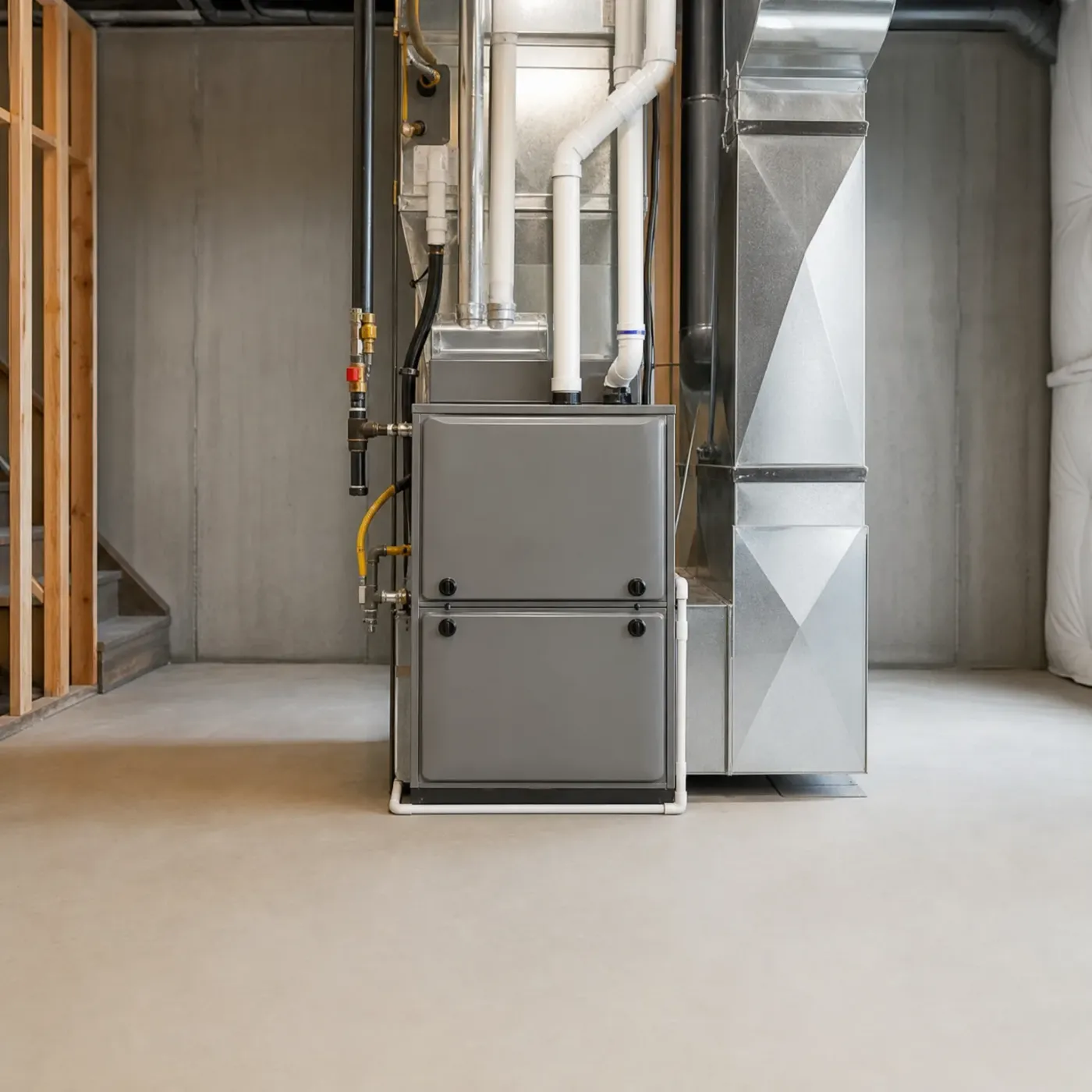
Waiting it out versus getting it looked at
You can wait until morning and hope the furnace catches on its own. Sometimes it does, if a limit switch tripped because the blower got blocked for a minute and it's already reset. More often it doesn't, because a failed igniter or a bad sequencer isn't going to fix itself overnight. With most homes here heating on electricity, every hour the furnace sits dead is an hour you're running space heaters to make up the difference, and those cost more to run than the furnace ever did. Waiting costs you the night's sleep and whatever you spend keeping the house livable until someone looks at it.
Calling someone who knows this equipment
A contractor who works on electric furnaces all winter in Maryland has seen the sequencer fail, the heating element burn out, the limit switch trip for no obvious reason, more times than you have. They know which part to check first based on what the furnace is doing, so the visit isn't a guessing game. One licensed, local contractor gets sent your request, not five companies competing for the job, so your phone isn't ringing off the hook from people you didn't call. Once you send the form, finding that person stops being something you have to manage yourself.


Winter nights average 27°F statewide
27°F is the average overnight low here from December through February, and plenty of nights drop colder than that. At that temperature your furnace isn't cycling on for a few minutes here and there. It's running long stretches to keep up, which is exactly when a weak igniter or a dirty flame sensor finally gives out.
NOAA nClimDiv 1991-2020 county normals weighted by homes
Where this leaves you
- A furnace that won't start usually traces back to one failed part, not a system-wide problem.
- Electric furnaces fail through the heating element or the sequencer, not through a clogged burner or a bad gas valve.
- A tripped limit switch or a dead sequencer is not something to diagnose by guessing in the dark at midnight.
- A local contractor who services this equipment all winter has usually already seen whatever is wrong with yours.
- Sending one request means one contractor calls, not a string of companies competing for the job.
- Knowing which part failed is the difference between a short repair and a night spent guessing.
A furnace that won't start has a reason, and almost always it's one part. Not the whole system, not something that means a new furnace. If yours runs on electric heat, the usual suspects are the heating element or the sequencer that brings the elements on in order. One of those failing can look like the furnace just gave up, when really it's a single part that quit doing its job. A tripped limit switch can look the same way from the thermostat. None of this is something to sort out by flipping breakers at midnight and hoping. It's something a contractor who works on these systems all winter in Maryland can usually spot fast, because they've already seen it this season, more than once, in a house not unlike yours.
That's who gets the request when you send one in: a local contractor, licensed, who already knows what tends to fail in electric furnaces when the temperature drops the way it does here. One contractor, not several companies calling to bid on the job. Someone who can look at a dead sequencer or a tripped limit switch and know what it is because they've worked on the same part last week in another house nearby.
The cold isn't going to let up, and a furnace that won't start tonight won't fix itself by morning just because you waited. The part that failed is still failed. What changes is whether someone who knows this equipment looks at it, or you keep guessing in a cold house.
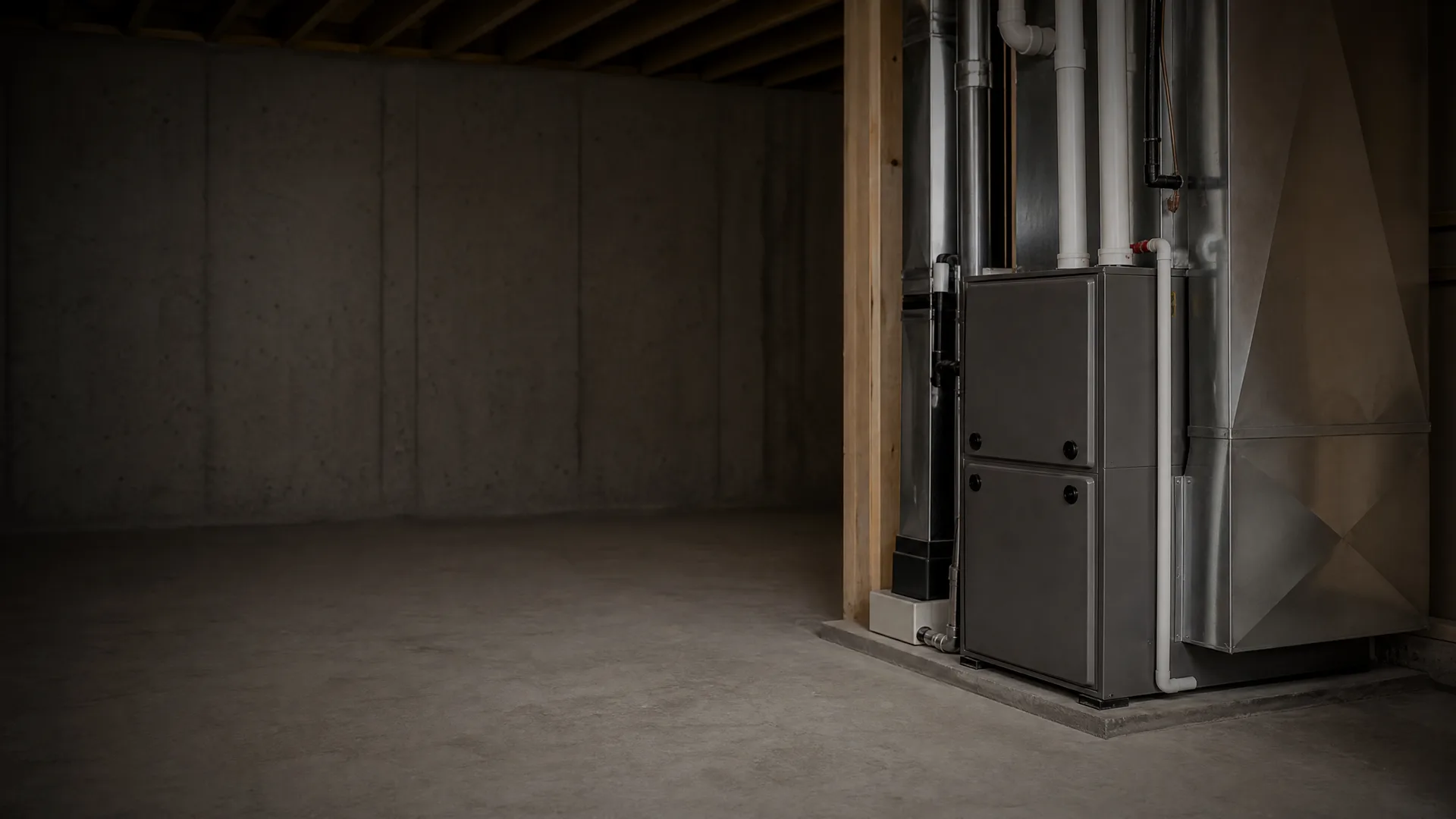
Finding a pro stops being your job
Your request stays with one local pro.