Tell us about the job
Takes about a minute. No obligation.
A furnace repair in Talbot County starts with the parts that do the most work: the burner, the heat exchanger, and the ignition system. Homes in Talbot County, MD run heat about seven months a year, from October through April. That much cycling loads the igniter and burner assembly hard, and those are the components a contractor opens first. A cracked heat exchanger or a worn igniter will not show itself on a mild day. It shows when the system starts its first serious run of the season, and by then the damage has been building for years.
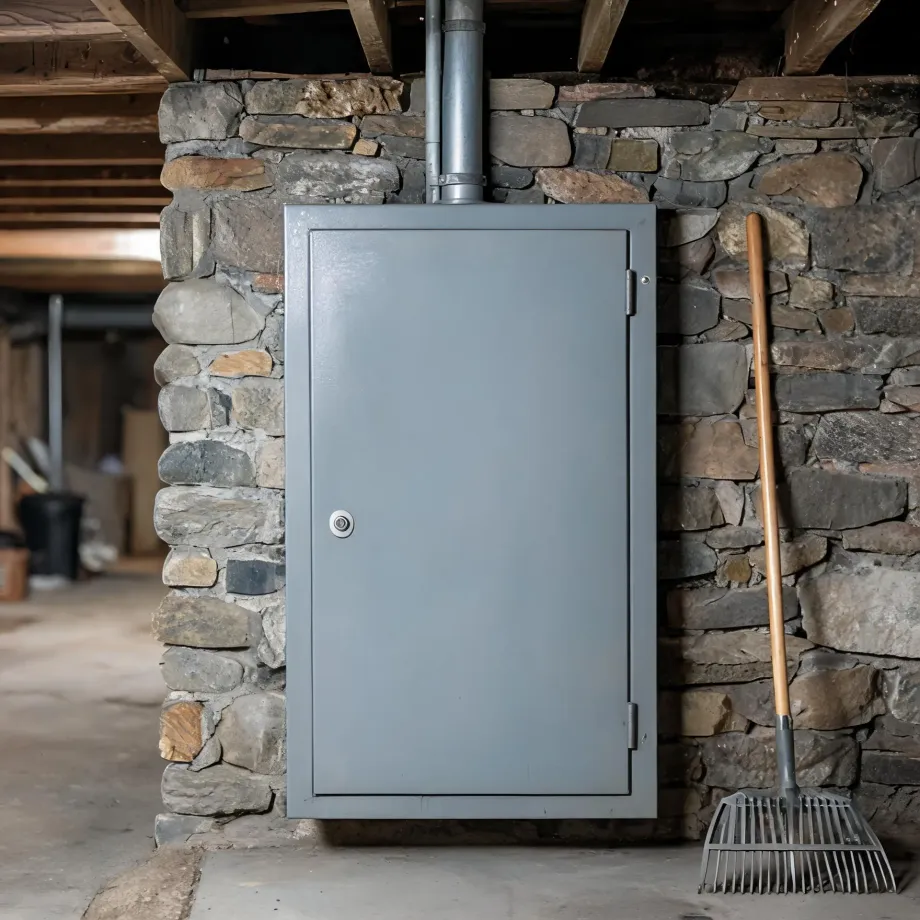
Ductwork in a house this old was sized and routed for whatever system came with it, and the furnace now in that ductwork has been heating through the same runs, the same seams, and the same return paths for a long time. Half the homes in Talbot County, Maryland were built in 1983 or earlier (2020-2024 ACS 5-year). That history shows up inside the cabinet: heat exchangers that have flexed through enough heating seasons to crack, blower wheels carrying years of resistance from restrictive returns, and flue connections that have shifted enough to matter. A contractor opening a furnace here prices the repair around what those components actually are, because that is what decides whether a repair is straightforward or whether one failed part has been stressing the others.
The Parts of a Furnace a Contractor Checks First
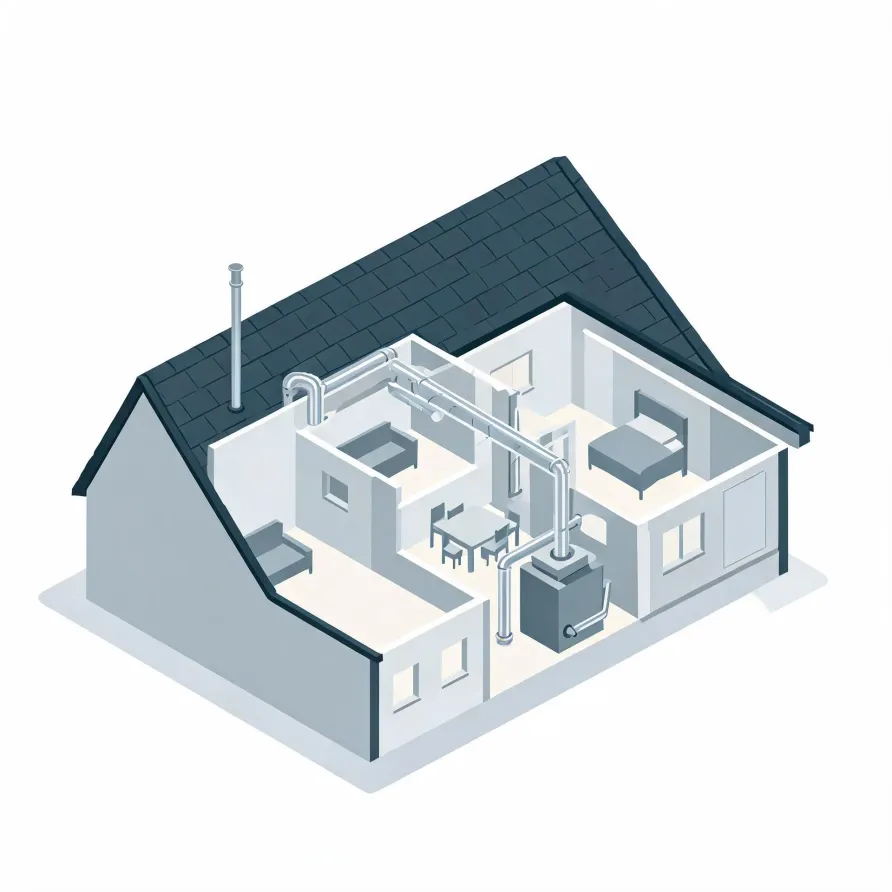
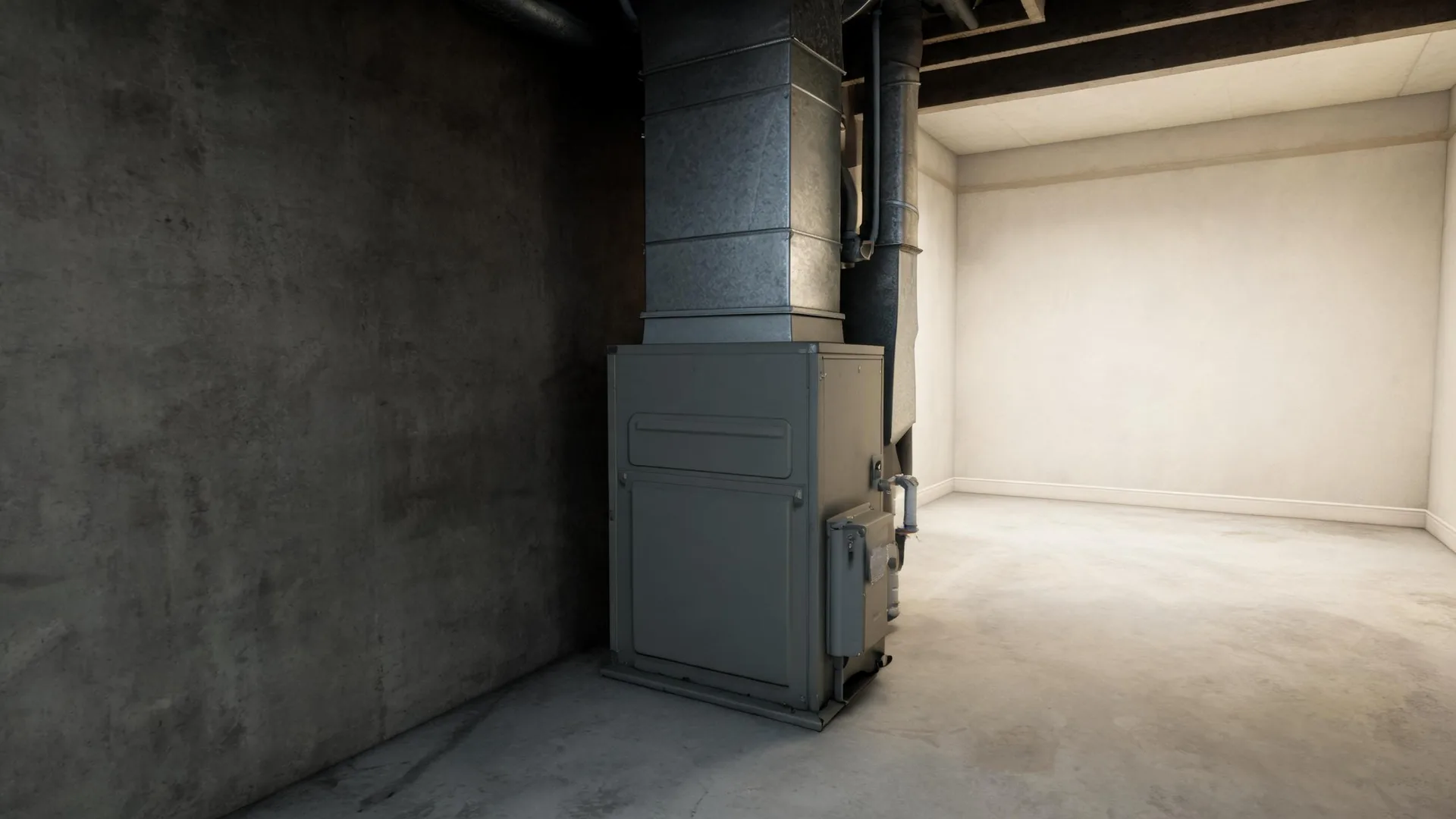
The furnace itself sits in a basement, utility room, or closet and is the piece a contractor reaches first. Inside it, the heat exchanger does the work of warming the air that moves through your home. When a furnace runs poorly or not at all, the heat exchanger, the burners that fire beneath it, and the blower motor that pushes air across it are where a contractor looks.
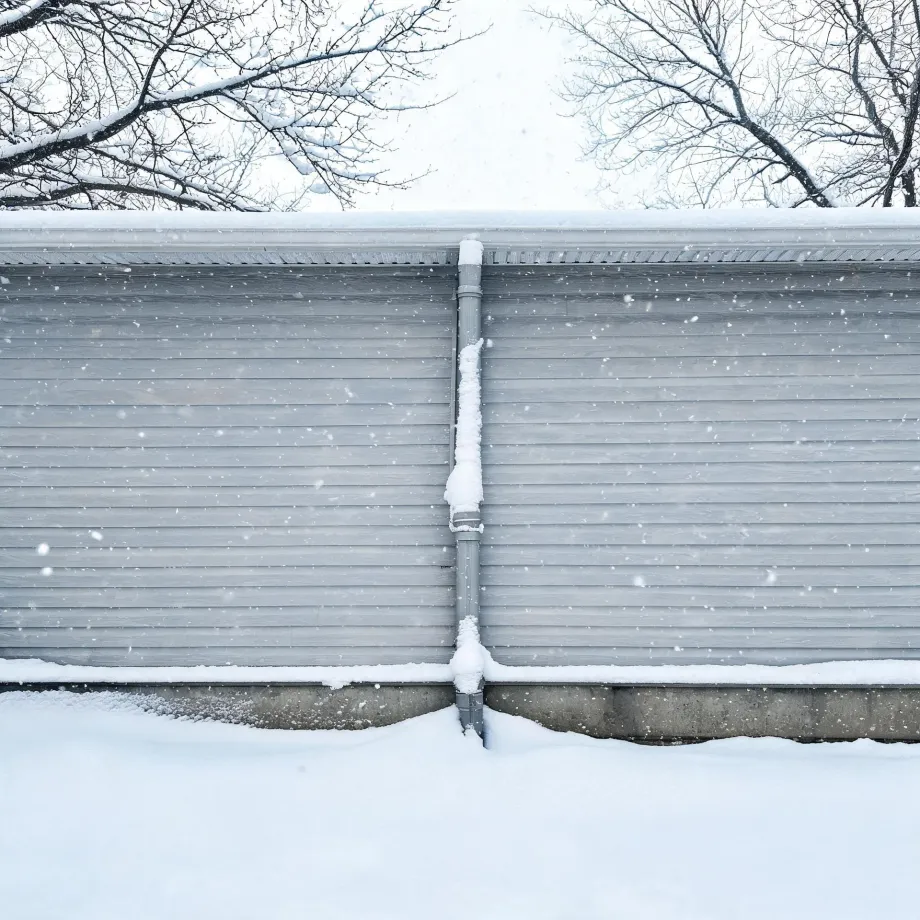
The flue pipe runs from the furnace up and out of the house, carrying combustion gases away. Alongside it, the control board and the igniter handle starting the system on each call for heat. Both are common failure points, and a contractor checks them against the burner and blower findings to narrow down what has gone wrong.
The drawing shows a representative layout, and a licensed contractor determines which components apply to your specific system and situation.
Get matched in Talbot CountyTalbot County, by the record
113 severe weather events were recorded in Talbot County, Maryland between 2015 and 2024.
NOAA National Centers for Environmental Information, Storm Events Database, bulk CSV export, events 2015-01-01 through 2024-12-31.Half the homes in Talbot County, Maryland were built in 1983 or earlier (2020-2024 ACS 5-year).
U.S. Census Bureau, 2020-2024 American Community Survey 5-Year EstimatesTalbot County, Maryland holds 19,720 housing units (2020-2024 ACS 5-year).
U.S. Census Bureau, 2020-2024 American Community Survey 5-Year EstimatesOwners occupy 75.1% of the occupied homes in Talbot County, Maryland (2020-2024 ACS 5-year).
U.S. Census Bureau, 2020-2024 American Community Survey 5-Year EstimatesCodes & Standards for Furnace Repair in Talbot County, Maryland5 sourced rules and standards
What HVAC Repair Looks Like in Talbot County
Non-weatherized gas furnaces manufactured on or after November 19, 2015 must reach 80.0 percent AFUE.
Non-weatherized oil-fired furnaces manufactured on or after November 19, 2015 must reach 83.0 percent AFUE.
Mobile home gas furnaces manufactured on or after November 19, 2015 must reach 80.0 percent AFUE.
Non-weatherized gas furnaces manufactured on or after December 18, 2028 must reach 95.0 percent AFUE, up from the 80.0 percent minimum that applies to units manufactured before that date.
Licensing and Legal Requirements in Talbot County, Maryland
Maryland requires a state licence before an individual provides, or assists in providing, heating, ventilation, air-conditioning or refrigeration services.
Severe Weather Events in Talbot County
Extreme weather puts real strain on furnace systems, pushing them to run harder and longer than normal conditions demand. How much of that pressure Talbot County sees year to year shapes what local furnaces face and how often repairs become necessary.
113 severe weather events, 2015–2024. Source: NOAA National Centers for Environmental Information, Storm Events Database.