Tell us about the job
Takes about a minute. No obligation.
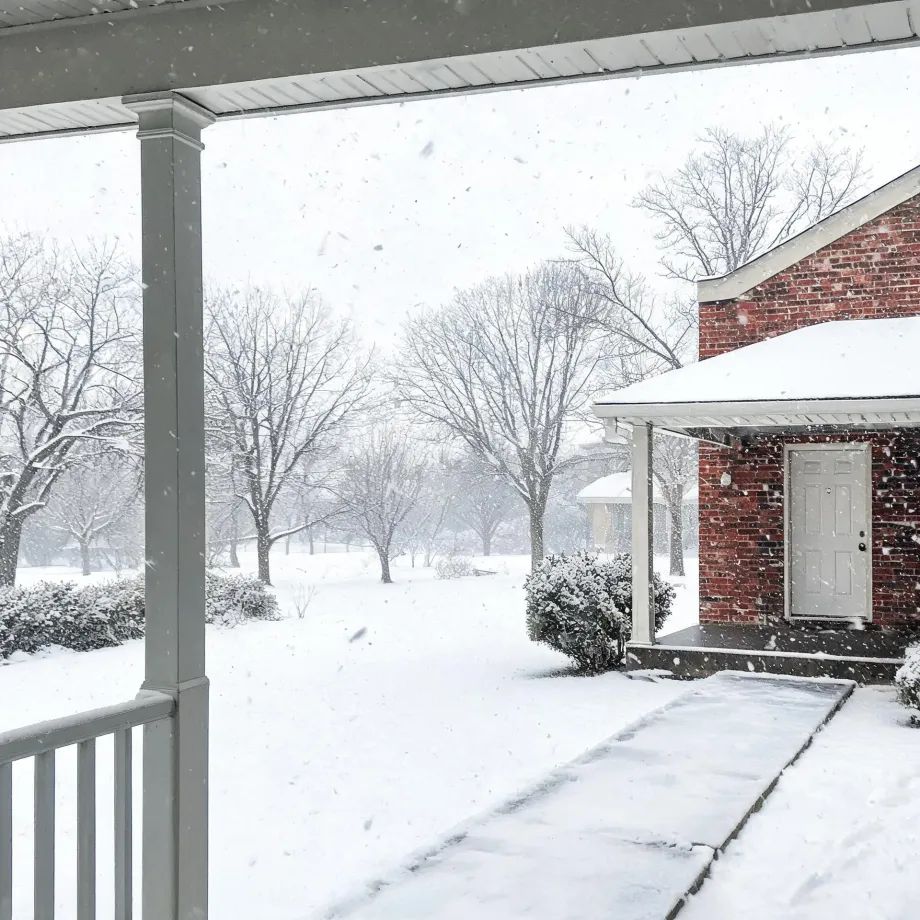
Sizing a furnace in Harford County is not a generic calculation. Homes in Harford County, MD run heat about seven months a year, from October through April. The burner, heat exchanger, and ignition system earn their wear across that run, and a unit that is undersized or installed with duct work that does not match the load will make those faults visible faster than it would somewhere the equipment sits quiet longer. A contractor quoting an install here has to account for that accumulated cycling when they specify equipment and seal the distribution system, because the margin for error on a long heating season is smaller than on a short one.
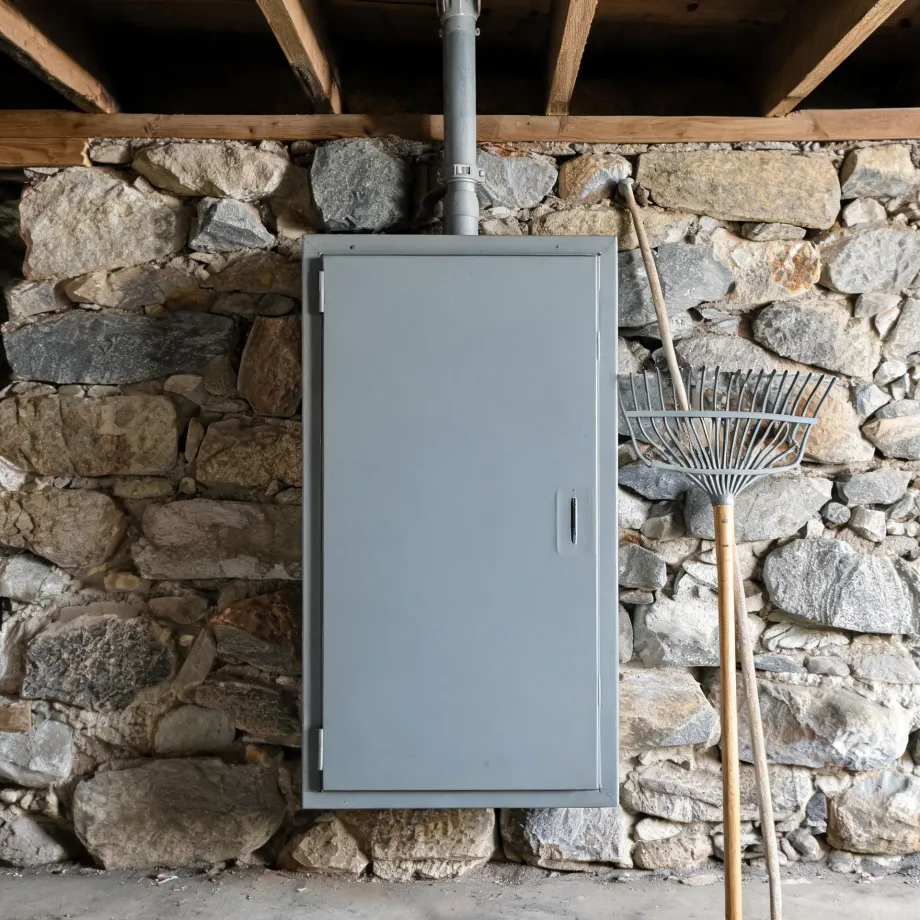
Ductwork laid down for equipment that has since been replaced at least once carries assumptions about airflow, routing, and static pressure that a new furnace will test immediately. Half the homes in Harford County, Maryland were built in 1986 or earlier (2020-2024 ACS 5-year). A contractor installing a furnace in stock like this opens the job by checking whether existing ducts can move what the new unit delivers, and whether the electrical service at the panel matches what it draws. Those two questions, not the equipment selection itself, are where the schedule and the scope actually get set.
What Gets Installed With a New Furnace
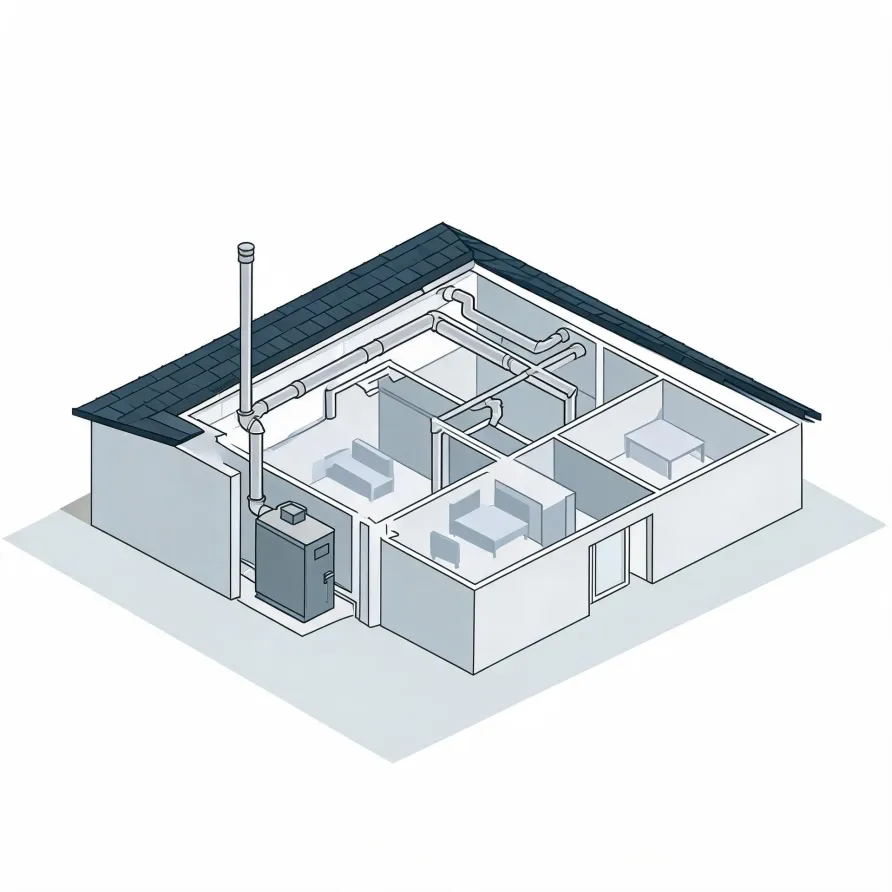
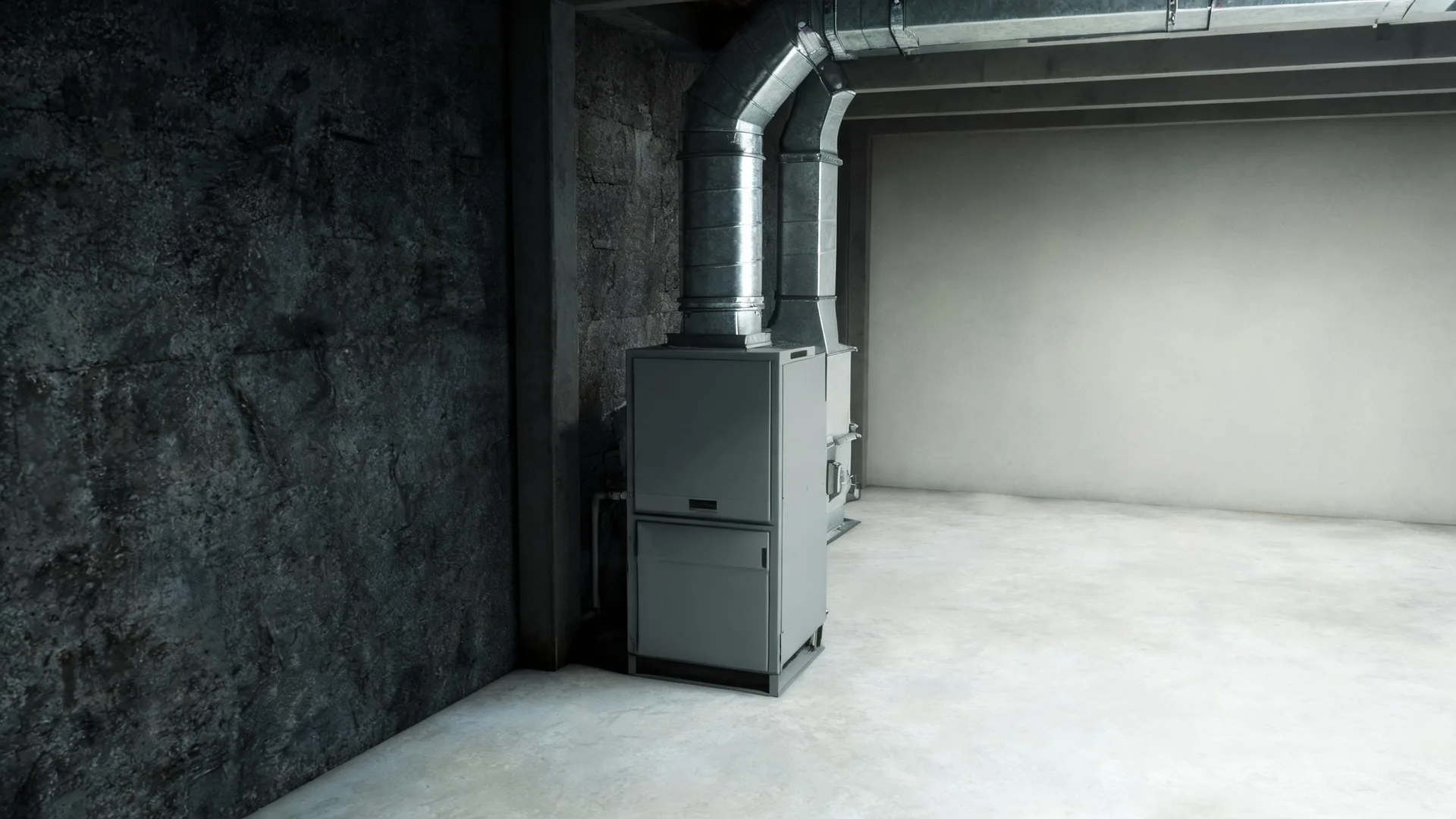
The furnace itself sits in a mechanical room, basement, or utility closet and is the core unit a contractor places first. Attached to it is the flue or venting pipe, which runs from the unit to an exterior wall or roofline and carries combustion gases out of the house. Together these two pieces form the heart of the installation.
The air handler or blower cabinet, if separate from the furnace, mounts nearby and moves conditioned air into the duct system. A thermostat goes on an interior wall of the living space and gives the homeowner control over the whole system. The contractor also fits a new filter housing and, where the system calls for it, a condensate drain line that routes moisture away from the unit.
The drawing shows a representative layout, and a licensed contractor determines exactly what applies to this house.
Get matched in Harford CountyHarford County, by the numbers
368 severe weather events were recorded in Harford County, Maryland between 2015 and 2024.
NOAA National Centers for Environmental Information, Storm Events Database, bulk CSV export, events 2015-01-01 through 2024-12-31.Half the homes in Harford County, Maryland were built in 1986 or earlier (2020-2024 ACS 5-year).
U.S. Census Bureau, 2020-2024 American Community Survey 5-Year EstimatesHarford County, Maryland holds 105,468 housing units (2020-2024 ACS 5-year).
U.S. Census Bureau, 2020-2024 American Community Survey 5-Year EstimatesOwners occupy 79.7% of the occupied homes in Harford County, Maryland (2020-2024 ACS 5-year).
U.S. Census Bureau, 2020-2024 American Community Survey 5-Year EstimatesFurnace Installation Rules & Standards for Harford County, Maryland5 sourced codes and standards
What Installation Day Looks Like
Non-weatherized gas furnaces manufactured on or after November 19, 2015 must reach 80.0 percent AFUE.
Non-weatherized oil-fired furnaces manufactured on or after November 19, 2015 must reach 83.0 percent AFUE.
Mobile home gas furnaces manufactured on or after November 19, 2015 must reach 80.0 percent AFUE.
Non-weatherized gas furnaces manufactured on or after December 18, 2028 must reach 95.0 percent AFUE, up from the 80.0 percent minimum that applies to units manufactured before that date.
Licensing and Legal Requirements in Harford County, Maryland
Maryland requires a state licence before an individual provides, or assists in providing, heating, ventilation, air-conditioning or refrigeration services.
Severe Weather Events in Harford County
Weather puts a measurable load on heating equipment, and that load varies by where you live. A furnace sized and installed for Harford County's conditions is doing a different job than one installed somewhere else.
368 severe weather events, 2015–2024. Source: NOAA National Centers for Environmental Information, Storm Events Database.